How to Prune Poached egg plant?
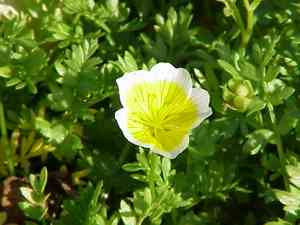
This lively, blooming ground cover, recognized for its vivid yellow and white blossoms resembling breakfast items, thrives with periodic trimming to foster robust development and abundant flowering. For poached egg plant, consistently removing faded flowers stimulates ongoing blooming. In spring, lightly cut back any withered or compromised leaves. After the primary summer flowering phase, trim to preserve its form and encourage a second bloom, and in autumn, clear away old foliage for the plant's well-being and garden neatness. These straightforward methods improve the plant's visual appeal and contribute to a stronger display in the following season.
What Are the Benefits of Pruning Poached Egg Plant?
What Are the Benefits of Pruning Poached Egg Plant?
Trimming poached egg plant promotes stronger, denser development, helping it maintain its desired shape and preventing excessive growth. Regular cuts can enhance its visual appeal in the garden.
What Is the Best Time for Pruning Poached Egg Plant?
What Is the Best Time for Pruning Poached Egg Plant?
Trimming poached egg plant from late spring to early summer coincides with the end of its flowering, optimizing growth cycles for new foliage and preparing it for vigorous growth next season. This timing also prevents stressing poached egg plant during its active growth and blooming in spring. Autumn pruning is not advised as it can stimulate new growth vulnerable to frost. Seasonal considerations ensure poached egg plant has ample time to recover before winter dormancy, maintaining health and vitality.
What Tools Do I Need to Prune Poached Egg Plant?
Bypass Hand Pruners
These are perfect for poached egg plant, as they deliver a clean cut without crushing the stem, which is crucial for plant health and encouraging new growth.
Snips or Micro-Tip Pruning Shears
Snips are ideal for deadheading poached egg plant and handling smaller, more delicate tasks where precision is essential. Their small blades allow for accurate cuts without harming nearby foliage.
Garden Scissors
These can be effectively used for poached egg plant when thinning or trimming soft stems. They are useful for shaping the plant and removing spent flowers to encourage continuous blooming.
How to Prune Poached Egg Plant
Clean Tools
Sanitize pruning shears or scissors to prevent disease spread when trimming poached egg plant. Use alcohol wipes or a bleach solution for effective cleaning.
Identify Parts
Examine poached egg plant closely to locate all withered or brown leaves that are no longer thriving or contributing to its growth.
Cut Withered Leaves
Carefully cut the withered leaves at their base where they meet the stem or main part of poached egg plant, ensuring not to damage healthy tissue.
Collect Waste
Remove all cut material from the vicinity of poached egg plant to deter pests and diseases that may thrive on decaying plant matter.
Monitor Plant
Observe poached egg plant after pruning to ensure it remains healthy and to identify any additional leaves that may wither and require future trimming.
Common Pruning Mistakes with Poached Egg Plant
Overpruning
Excessive pruning can weaken plants, making poached egg plant more vulnerable to disease and stunted development.
Tearing Stems
Using dull or inappropriate tools can cause stem tearing, potentially leading to damage and entry points for disease on poached egg plant.
Neglecting Deadheading
Failing to regularly deadhead, or remove spent flowers, can prevent poached egg plant from producing more blooms and may hinder its overall vigor.
Pruning Too Low
Cutting poached egg plant's stem too close to the ground can harm the crown and reduce the plant's ability to regrow.
Ignoring Diseased Material
Not properly disposing of diseased clippings can spread pathogens in the garden, potentially affecting poached egg plant and other plants.
Common Pruning Tips for Poached Egg Plant
Sharp Tools
Use sharp, clean shears to make precise cuts, which help poached egg plant heal faster and minimize disease risk.
Conservative Cuts
Make conservative cuts, removing only the necessary amount to shape poached egg plant and promote flowering without stressing the plant.
Deadheading
Regularly remove faded or dead blooms by snipping below the flower head to encourage poached egg plant to produce more flowers.
Thin Out Density
Thin out dense growth to allow air and light to penetrate poached egg plant, preventing mold and mildew while promoting robust growth.
After Flowering Pruning
Prune poached egg plant after it has flowered to shape the plant and remove any unproductive stems, which can lead to a more bountiful display in the next blooming cycle.



