How to Propagate Poached egg plant?
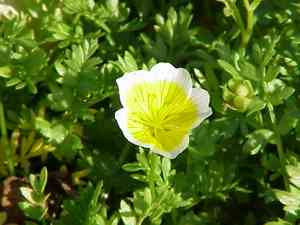
Originating in California, Limnanthes douglasii is recognized for its striking blossoms that evoke the appearance of poached eggs. This variety flourishes in environments ranging from full sunlight to dappled shade, and requires soil with good drainage. To propagate, utilize fresh seeds and lightly embed them in the soil. Ensure steady hydration and ample air movement until sprouting commences. Reduce the density of young plants to avert excessive crowding. Limnanthes douglasii exhibits vigorous development and can readily establish itself in appropriate settings, contributing to its straightforward care.
Optimal Time for Poached Egg Plant Propagation
Propagation Method
Seeding
Propagation Period
Spring
Essential Tools for Poached Egg Plant Propagation
Seed trays
Seed trays are crucial for organized germination, enabling numerous poached egg plant seeds to be sown and spaced efficiently. They also help maintain necessary humidity and temperature levels, vital for seed sprouting.
Potting mix
A premium, well-draining potting mix fosters optimal root development and prevents damping off in poached egg plant seedlings. The mixture should be light and airy, allowing delicate roots to easily penetrate the soil.
Watering can with a fine rose
This instrument is key for delivering a gentle, evenly distributed water flow that won't disturb poached egg plant seeds or young plants. The fine rose attachment helps simulate light rainfall, ensuring seeds receive sufficient moisture without being dislodged.
Clear plastic cover
A plastic cover over seed trays creates a miniature greenhouse effect, essential for maintaining consistent humidity and warmth. This environment mimics poached egg plant's natural germination conditions, boosting seedling growth rate and success.
Labels and marker
Accurate labeling of seed trays with markers ensures proper identification and tracking of poached egg plant's growth stages. This is crucial for monitoring progress and applying care tailored to each developmental phase.
Gloves
Though not specialized, gloves protect hands during the sowing and handling of soils and seedlings. They ensure that poached egg plant's sensitive seeds and young plants are not contaminated or harmed during the propagation process.
How to Propagate Poached Egg Plant?
Propagation Type
Simple
Caring for Your Newly Propagated Poached Egg Plant
Caring for Your Newly Propagated Poached Egg Plant?
Once poached egg plant seedlings develop true leaves, thin them if crowded to provide ample growth space. Transplant them to their permanent spot when large enough to handle, ensuring a sunny location with well-drained soil. Water poached egg plant to keep the soil consistently moist, especially during dry spells. Encourage natural pollination by allowing access to pollinators. Fertilize with a balanced feed according to the growing season's requirements.
Common Mistakes to Avoid When Propagating Poached Egg Plant
Overwatering
Excessive water can lead to root rot in poached egg plant, impeding growth and potentially killing the plant.
Planting too deep
Poached egg plant's seeds need light to germinate and should be sown on the surface. Planting them too deeply may hinder germination.
Ignoring spacing
Inadequate spacing can cause overcrowding, potentially leading to poor air circulation and increased risk of fungal diseases for poached egg plant.
Neglecting soil quality
Using poorly draining soil can result in waterlogging, which is detrimental to poached egg plant's growth.
Overlooking pests
Failure to regularly inspect for pests can lead to infestations that severely impact poached egg plant's health and propagation.
Tips For Propagating Poached Egg Plant
Surface sowing
Since poached egg plant seeds require light for germination, sow them on the surface and gently press into the soil without covering.
Well-draining soil
Use well-draining soil to prevent waterlogging and promote healthy root development for poached egg plant.
Moderate watering
Water poached egg plant seedlings carefully, keeping the soil moist but not saturated to avoid root rot.
Adequate spacing
Space poached egg plant appropriately to ensure good air circulation and prevent disease spread.
Pest monitoring
Regularly check poached egg plant for pests and treat promptly to prevent infestations and ensure successful propagation.



