The Poached egg plant Plant Advantage: Maximizing Home and Office Appeal and Wellness
1
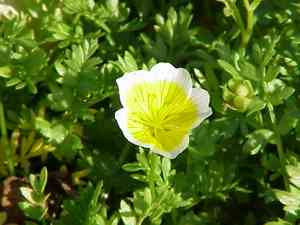
Limnanthes douglasii is recognized for its distinctive yellow and white blooms, reminiscent of poached eggs.
2
This species draws in helpful insects and serves as an excellent inclusion in gardens designed for pollinators.
3
Limnanthes douglasii contributes to better soil conditions and can be incorporated into crop rotation strategies for maintaining soil richness.
What Makes Poached egg plant Special?
Pollinator Attraction
A key characteristic of Poached egg plant is its capacity to draw in pollinators. Bees, butterflies, and other helpful insects are drawn to its bright, egg-like blossoms, which offer a superb nectar source. By cultivating Poached egg plant in your garden, you can aid in the support and increase of these vital creatures. Pollinators play a critical role in the reproduction of many plants, and their presence can significantly boost your garden's health and output.
Aesthetic Appeal
Beyond its ecological advantages, Poached egg plant possesses undeniable charm. Its distinct yellow and white blooms are a visual delight, creating a lovely contrast against the garden's greenery. This plant can be utilized to establish striking visual focal points, border gardens, or even as ground cover. The unique look of Poached egg plant can help elevate your garden's overall appearance, making it a standout during its flowering period.
How Does Poached egg plant Improve Soil Health?
Nitrogen Fixation
Poached egg plant is incredibly advantageous for soil health due to its capacity to fix nitrogen. This process involves converting atmospheric nitrogen into a form that plants can absorb and utilize. By integrating Poached egg plant into your garden, you can lessen your dependence on synthetic fertilizers, leading to a more sustainable gardening approach. The nitrogen-fixing ability of this plant enriches the soil, fostering the growth of healthier and more robust plants.
Soil Structure Enhancement
In addition to enriching the soil with nitrogen, Poached egg plant also aids in improving soil structure. Its roots assist in binding the soil together, reducing erosion and runoff. This can be particularly beneficial in areas prone to heavy rainfall or on slopes where soil erosion is a concern. Healthier soil structure not only supports plant growth but also ensures better water retention, decreasing the need for frequent irrigation.
Can Poached egg plant Be Used in Crop Rotation?
Pest Management
The incorporation of Poached egg plant in crop rotation can significantly assist in pest control. This plant attracts various beneficial insects that prey on common garden pests. By integrating Poached egg plant into your crop rotation strategy, you can naturally decrease pest populations and minimize the use of chemical pesticides. This fosters a healthier and safer environment for both your plants and the broader ecosystem.
Soil Fertility
Utilizing Poached egg plant in crop rotation helps maintain and even enhance soil fertility. As previously noted, its nitrogen-fixing capabilities replenish essential nutrients in the soil, preparing it for subsequent crops. Furthermore, rotating crops with Poached egg plant can disrupt cycles of soil-borne diseases and lessen the overall stress on the soil. This practice not only ensures better yields but also promotes long-term sustainability in agricultural methods.
Is Poached egg plant Easy to Grow?
Growth Conditions
Poached egg plant is relatively simple to cultivate, making it an excellent choice for gardeners of all skill levels. It thrives in well-drained soil and prefers full sun to partial shade. The plant is quite resilient and can tolerate a range of soil types, from sandy to clay-rich. Its hardiness makes it a versatile plant that can adapt to various gardening environments.
Maintenance
Maintaining Poached egg plant is straightforward. Regular watering and occasional weeding are typically sufficient to keep the plant healthy and vibrant. It's also beneficial to remove spent flowers to encourage new blooms and extend the flowering season. With minimal effort, you can enjoy the beauty and advantages of Poached egg plant throughout its growing period.
Are There Any Companion Plants for Poached egg plant?
Companion Planting Benefits
Companion planting with Poached egg plant can further amplify its advantages. When planted alongside vegetables such as tomatoes and cucumbers, Poached egg plant can help deter pests and improve overall plant health. The presence of beneficial insects drawn by Poached egg plant can provide a natural pest control mechanism, reducing the need for chemical interventions.
Harmonious Aesthetic
Combining Poached egg plant with other flowering plants like marigolds or calendula can create a visually pleasing and biodiverse garden space. The contrasting colors and complementary growth habits can elevate the overall appearance of your garden, making it a more inviting and vibrant area. Companion planting not only benefits the plants themselves but also contributes to a more balanced and sustainable garden ecosystem.



