How to Transplant Hyssop?
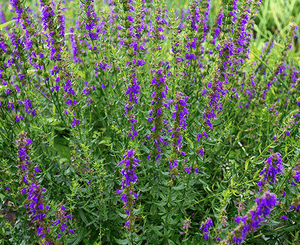
For successful relocation, hyssop flourishes when moved during the spring awakening. A bright, adequately drained spot strengthens the root system. Careful manipulation preserves root health, enhancing the garden's vitality.
What Preparations are Needed Before Transplanting Hyssop?
What is the Ideal Time for Transplanting Hyssop?
The best time for hyssop transplantation is in spring, when the cold weather has passed, allowing roots to establish before peak summer. This timing utilizes natural cycles, promoting strong development and resilience, leading to abundant blooms. Choosing this period will result in a robust, thriving hyssop, as nature awakens and soil warmth aids root growth. Prepare for a spring garden addition and ensure a vibrant hyssop display!
How Much Space Should You Leave Between Hyssop Plants?
When transplanting hyssop, ensure each plant is spaced approximately 1-2 feet (30.5 - 61 cm) apart. This provides ample room for growth and expansion without interference from neighboring plants.
What is the Best Soil Mix for Hyssop Transplanting?
Hyssop prefers soil that drains well, enriched with compost as a foundational fertilizer. Therefore, before transplanting, amend your soil with quality organic compost, readily available at local gardening centers.
Where Should You Relocate Your Hyssop?
When choosing a new location for your hyssop, select a spot that receives full sun for optimal growth. If a full sun location isn't available, hyssop can also tolerate partial shade without issue.
What Equipments Should You Prepare Before Transplantation Hyssop?
Gardening Gloves
Essential for hand protection while handling soil and the plant.
Shovel or Spade
Used for excavating the hole in the ground where the hyssop will be transplanted.
Pruning Shears
To remove any dead or diseased parts of the hyssop, encouraging new growth after transplanting.
Watering Can
For hydrating the plant both before and after its relocation.
Garden Trowel
Useful for extracting the hyssop from a container or a seedling tray.
How Do You Remove Hyssop from the Soil?
How Do You Remove Hyssop from the Soil?
From Ground: First, thoroughly water the hyssop to moisten the soil. Then, using a spade or shovel, dig a wide trench around the plant, ensuring the root ball remains intact. Carefully work the spade beneath the root ball to lift the plant from its original spot.From Pot: Hydrate the hyssop before moving it. Then, turn the pot on its side, hold the hyssop near its base, and gently pull the pot away. If needed, tap the pot's sides to loosen any stubborn roots.From Seedling Tray: Ensure the hyssop seedling is well-hydrated. Use a dibber or a thin stick to carefully pry the seedlings out, holding them by their leaves to avoid damaging the delicate roots.
Step-by-Step Guide for Transplanting Hyssop
Preparation
Prepare the new planting hole for the hyssop, making it twice as wide and the same depth as the root ball.
Placement
Position the hyssop plant into the prepared hole. Ensure the top of the root ball is level with the surrounding soil surface.
Backfilling
Refill the hole with soil, gently firming it around the base of the hyssop.
Hydration
Water the hyssop thoroughly immediately after transplanting.
Maintenance
Monitor your hyssop closely; a successful transplant doesn't end once it's in the ground. Watch for signs of transplant shock, such as wilting or yellowing leaves.
How Do You Care For Hyssop After Transplanting?
Watering
Keep the soil around the hyssop consistently moist, but not waterlogged, for the initial weeks post-transplant to aid in root establishment.
Pruning
Trim any yellowing or unhealthy branches to encourage fresh growth.
Monitoring
Observe the hyssop carefully for several weeks for signs of transplant shock. Prompt action to these symptoms can help the plant recover quickly.
Troubleshooting Common Issues with Hyssop Transplantation.
When is the best time for transplanting hyssop?
The optimal period to transplant hyssop is during the warmer seasons, from spring to early summer (S1-S3). This provides the plant with the best chance for establishment.
How much space should I leave between each hyssop when transplanting?
Sufficient room is crucial. Maintain a distance of approximately 1-2 feet (30-60 cm) between each hyssop. This allows them ample space for growth and prevents overcrowding.
What is the ideal depth for the transplant hole for hyssop?
The transplant hole should be deep enough to comfortably accommodate the hyssop's root ball. Typically, twice the diameter and the same depth as the root ball works well.
What soil is best for transplanting hyssop?
Hyssop thrives in well-draining soil with a neutral to slightly alkaline pH. Ensure a rich blend of organic matter for optimal development.
How much water should hyssop receive after transplanting?
Once transplanted, water hyssop thoroughly until the soil is moist but not saturated. This assists the roots in adapting to their new environment.
If my hyssop wilts after transplanting, what should I do?
Do not be alarmed if hyssop wilts slightly after transplanting; it's usually a symptom of transplant shock. Keep it adequately watered without overwatering, and it should recover.
What sun exposure does hyssop require after transplanting?
Hyssop flourishes in full sun exposure to partial shade. Ensure it receives about 6-8 hours of sunlight daily for vigorous growth.
Should I prune hyssop during transplanting?
Pruning is not necessary during transplanting. However, pinching back the top growth after transplanting can promote a fuller and bushier plant.
How often should I feed hyssop after transplanting?
Hyssop does not require heavy fertilization. A light layer of compost in spring and possibly a mild application of balanced fertilizer during the growing season will suffice.
Is transplanting hyssop into a pot possible?
Yes, you can transplant hyssop into a pot. Ensure the container is large enough for the root system and has proper drainage.



