How Much Sunlight Do Hyssop Need?
1
Hyssop flourishes optimally with ample sunlight, needing a minimum of 6 hours of direct sun each day.
2
Hyssop can adapt to reduced light levels in autumn and winter, though its growth may decelerate.
3
Strategic placement in pots and the garden can greatly enhance Hyssop's vitality and development.
Optimal Sunlight Conditions for Hyssop
Full Sun Requirements
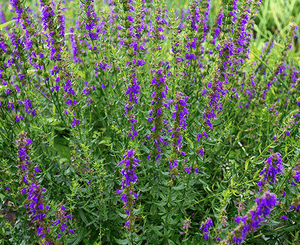
To achieve peak development and aromatic foliage, Hyssop requires complete sun exposure. This means providing the plant with at least 6 to 8 hours of direct solar radiation daily. Full sun allows Hyssop to develop more robust leaves and vibrant blooms, which are essential for both culinary and decorative purposes.
Partial Sun Tolerances
While Hyssop thrives in full sun, it can endure partial sun conditions. This implies it can survive with approximately 4 to 6 hours of daylight. However, when cultivated in partial sun, Hyssop might exhibit less vigor or produce fewer blossoms, highlighting the crucial importance of maximizing sun exposure for prime outcomes.
Understanding Shade Impact
Cultivating Hyssop in shaded environments can result in weaker plants with spindly growth, pale leaves, and reduced flowering. Shade impedes the photosynthesis process, consequently compromising the plant's overall vitality. Therefore, it's best to avoid such conditions to ensure the plant's well-being and yield.
Seasonal Sunlight Variations for Hyssop
Spring and Summer Light Needs
During the spring and summer periods, Hyssop benefits from extended hours of daylight. These seasons are when the plant experiences the majority of its growth and blossoming. Ensuring the plant receives full sun during these times is vital as it leverages the warm weather and abundant sunlight for vigorous development.
Fall and Winter Adjustments
In the fall and winter, daylight hours shorten and light intensity diminishes. Hyssop can adapt to these shifts by entering a semi-dormant phase. Although its growth may slow, it can persist with reduced light levels during these seasons. For indoor plants, consider situating them near a south-facing window to optimize light absorption.
Placing Hyssop for Best Sunlight Exposure
Ideal Garden Spots
Selecting the appropriate location in your garden is crucial for Hyssop. Choose an area facing south or west to guarantee the plant receives maximum sunlight throughout the day. Avoid positioning Hyssop near tall trees or structures that might cast prolonged shadows, which can impede its development.
Container Placement Tips
If you are cultivating Hyssop in containers, adaptability is your advantage. Relocate the pots to sunny positions as needed – a garden table, a bright patio, or even an indoor windowsill. At different times of the year, adjusting the container's placement can help Hyssop obtain consistent sunlight, particularly important during the shorter days of winter.
Signs of Improper Sunlight for Hyssop
Symptoms of Sunburn
Even though Hyssop favors ample sunlight, excessive direct sun, especially in extremely hot regions, can cause scorching. Look for singed leaf tips, brown areas, and wilted foliage. To prevent this, consider providing partial shade during the warmest part of the day or moving potted plants to a slightly shaded spot.
Indicators of Insufficient Light
If Hyssop is not receiving adequate illumination, you might observe symptoms such as elongated stems, sparse foliage, and lighter green leaves. The plant may also produce fewer flowers. Ensuring the plant gets sufficient sunlight is essential for maintaining its overall health and productivity.
Maximizing Sunlight Absorption for Hyssop
Pruning for Light Penetration
Regular pruning can help Hyssop receive more sunlight by enhancing air circulation and light penetration within the plant. Remove any dead or diseased branches and periodically trim healthy ones to maintain an open and well-shaped plant structure. This practice encourages denser growth and helps sunlight reach all parts of the plant.
Using Reflective Surfaces
For gardeners aiming to maximize light, consider employing reflective surfaces around Hyssop. Placing reflective materials, such as aluminum foil or white-painted boards, nearby can help redirect additional light onto the plant. This technique is particularly beneficial in areas with limited natural light.



