How to Overwinter Hyssop
1
Hyssop tolerates cold but still gains from appropriate winter readiness.
2
Bringing Hyssop indoors for winter can aid its growth in very cold regions.
3
Correct trimming and ground cover application can greatly enhance Hyssop's ability to survive winter.
Hyssop's Resistance to Cold Temperatures
Hyssop's Resistance to Cold Temperatures
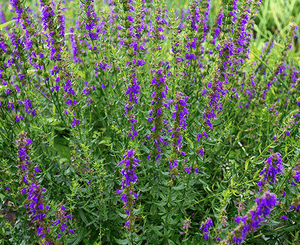
A notable characteristic of Hyssop is its natural resilience to frost. This fragrant herb, recognized for its deep green foliage and vibrant blooms, thrives in hardiness zones 4-9. Originating from Europe and Asia, Hyssop has adapted to diverse climates, including cold winters. Nevertheless, even cold-hardy plants benefit from additional care to ensure vigorous growth in spring.
Winter Preparation for Hyssop
Trimming
Trimming is a vital step in getting your Hyssop ready for winter. In late autumn, after the plant has finished flowering, cut back the stems to approximately 10-15 cm (4-6 inches) above the soil. This helps prevent disease and promotes robust new growth in the spring. Always use clean, sharp pruning shears to avoid harming the plant and to ensure a clean cut.
Ground Cover
Applying ground cover is another essential practice to prepare your Hyssop for winter. Spread a 5-8 cm (2-3 inches) layer of organic material, such as straw, decomposed leaves, or compost, around the plant's base. Ground cover serves several purposes: it helps retain soil moisture, moderates temperature fluctuations, and enriches the soil with organic matter as it breaks down. Be careful not to cover the plant's crown, as this can lead to decay.
Irrigation
While Hyssop is drought-tolerant during its active growth period, it requires consistent moisture leading up to winter. Ensure the soil is damp, but not waterlogged, as the final days of autumn approach. This is especially crucial before the ground freezes, as dry soil can cause root damage. On average, your Hyssop will need about 2.5 cm (1 inch) of water per week from either rain or manual watering.
Indoor Wintering Advice for Hyssop
Selecting the Appropriate Pot
If you reside in an area with extremely severe winters, consider moving your Hyssop indoors. Choose a pot that is at least 25-30 cm (10-12 inches) in diameter and has adequate drainage holes. A slightly larger container ensures the plant has sufficient space for root development and proper drainage to prevent waterlogging.
Optimal Indoor Conditions
For indoor wintering, place your Hyssop in a spot that receives ample lightâideally, a south-facing window. Hyssop prefers temperatures between 15-21°C (60-70°F). To maintain humidity, especially in heated homes where the air can become dry, you might consider using a humidity tray or a room humidifier. Water your Hyssop when the top 2.5 cm (1 inch) of soil feels dry to the touch, but avoid overwatering.
Reintroducing Outdoors
Once the danger of frost has passed, gradually move your Hyssop back outdoors. Begin by placing the container in a sheltered location for a few hours daily, progressively increasing exposure over several weeks. This helps the plant adapt to outdoor conditions and prevents shock.



