The Hyssop Plant Advantage: Maximizing Home and Office Appeal and Wellness
1
Hyssop is recognized for its fragrant qualities, frequently incorporated into cooking.
2
Its essential oils can be utilized for diverse domestic applications.
3
Hyssop is a resilient plant that flourishes in different weather conditions and ground compositions.
What Are the Culinary Advantages of Hyssop?
Improving Dish Flavor
Hyssop is frequently utilized in Mediterranean cooking for its distinct, mint-like taste. Its leaves can be incorporated into soups, stews, and salads to impart a unique scent and flavor. The plant is particularly effective at boosting the taste of meat dishes, serving as a natural seasoning that highlights the best in various ingredients.
Adaptable Ingredient
Another benefit of incorporating Hyssop into your cooking is its adaptability. You can use it fresh, dried, or even as an essential oil. Fresh leaves are ideal for garnishing and adding a burst of freshness, while dried leaves can be stored for extended periods. Additionally, the essential oil can be used to create flavored oils and syrups, making Hyssop a staple in any well-equipped kitchen.
How Can Hyssop Enhance Your Home?
Natural Air Purifier
One of Hyssop's prominent household advantages is its capacity to function as a natural air freshener. Its aromatic qualities can neutralize odors and foster a pleasant atmosphere. Place some dried leaves in a sachet and put it in your closet, or use the essential oil in a diffuser to keep your home smelling clean and inviting.
Eco-Friendly Cleaning
Hyssop's essential oils possess natural antimicrobial properties, making them an excellent addition to homemade cleaning solutions. Mix a few drops of Hyssop essential oil with water and vinegar to create an environmentally friendly cleaner that is safe for surfaces like countertops and floors. This not only keeps your home clean but also lessens the need for chemical-based products.
Why Is Hyssop a Hardy Plant Option?
Adaptability to Diverse Climates
Hyssop is recognized for its adaptability, thriving in a variety of climates. It can flourish in both sunny and partially shaded areas, making it a flexible choice for gardeners in different regions. Its ability to endure various weather conditions makes it a dependable plant for those seeking to cultivate a robust herb garden.
Low Maintenance Needs
Another significant advantage of Hyssop is its minimal maintenance requirements. This resilient plant needs little watering and can grow in poor soil conditions. Its resistance to pests and diseases further adds to its appeal, making it an excellent choice for both beginner and experienced gardeners. With Hyssop, you can have a flourishing garden with minimal effort.
What Role Does Hyssop Play in Aromatherapy?
Soothing Effects
In the field of aromatherapy, Hyssop essential oil is valued for its calming properties. When diffused, it creates a peaceful environment that can help reduce stress and encourage relaxation. Many individuals incorporate it into their evening routines to unwind after a long day, improving their overall well-being.
Blending with Other Oils
One of the benefits of Hyssop essential oil is its ability to combine well with other essential oils, such as lavender, eucalyptus, and rosemary. This makes it a versatile addition to your aromatherapy collection, allowing you to create personalized blends tailored to your needs. Whether you're looking to uplift your mood or alleviate tension, Hyssop can be an effective component in your aromatherapy practice.
How Can Hyssop Be Used in Garden Design?
Visual Appeal
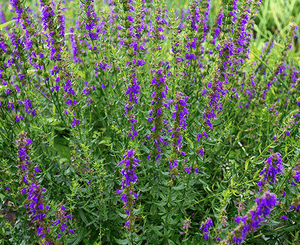
Beyond its practical advantages, Hyssop also offers aesthetic value to garden landscapes. Its vibrant blue or purple flowers add a burst of color, making it a beautiful addition to any garden. Plant Hyssop along borders or pathways to create a visually pleasing and fragrant garden space.
Pollinator Attraction
Another benefit of planting Hyssop is its capacity to draw pollinators like bees and butterflies. This not only enhances your garden's biodiversity but also supports the local ecosystem. By including Hyssop in your landscaping plans, you can contribute to the health and sustainability of your garden and its surrounding environment.



