How to Prune Hyssop?
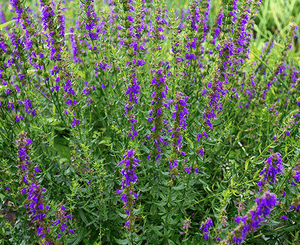
Distinguished by its fragrant, azure or violet blossoms, hyssop flourishes with consistent trimming. To achieve peak development, cut back in early spring to foster a denser form, eliminating any deceased or aged woody sections. Throughout the summer, clip spent flower stalks once petals wither to stimulate a subsequent bloom. A gentle autumn pruning improves air movement and overall plant well-being. Pruning beyond these recommended times risks diminishing flowering or exposing the plant to frost harm. Regular trimming preserves its structure and vitality, elevating its utility in gastronomic and therapeutic contexts.
What Are the Benefits of Pruning Hyssop?
What Are the Benefits of Pruning Hyssop?
Trimming hyssop promotes vigorous development, leading to more vibrant blooms. It assists in managing the plant's size and form, crucial for visual appeal and plant well-being. Strategic cuts can enhance disease resistance and vitality.
What Is the Best Time for Pruning Hyssop?
What Is the Best Time for Pruning Hyssop?
Trimming in early spring is optimal for hyssop as it coincides with the start of the growing season, stimulating new growth and helping maintain the plant's shape. Late summer pruning is advantageous after flowering has concluded, allowing for the removal of spent blossoms and assisting in preventing unwanted seed dispersal. Autumn is also suitable for light pruning to prepare hyssop for winter by eliminating any dead or damaged growth, thereby reducing potential disease and pest issues. These periods ensure the plant has adequate time to recover and enter its dormancy or subsequent growth cycle in prime condition.
What Tools Do I Need to Prune Hyssop?
Hand Pruners
For hyssop, hand pruners are indispensable as they offer the precision and control needed for snipping stems and removing faded flowers. They facilitate clean cuts that encourage healthy regrowth.
Shears
Hyssop can become dense, and shears are ideal for shaping and trimming the plant's small leaves and slender stems. They help maintain the desired plant form and promote denser foliage.
Garden Scissors
For detailed work and deadheading hyssop, garden scissors are perfect. They can easily access confined areas within the foliage to remove individual leaves or non-viable stems without disturbing the rest of the plant.
How to Prune Hyssop
Cut diseased leaves
Identify and remove any diseased leaves from hyssop using sterilized, sharp shears. Cut close to the stem without harming healthy foliage.
Remove withered leaves
Trim away withered leaves to allow hyssop to direct energy into healthy growth. Make cuts at the base of the withered leaf stem for a clean removal.
Deadhead flowers
Deadhead withered flowers by snipping them off just above a leaf node, which encourages hyssop to produce new flowers and prevents self-sowing if not desired.
Shape plant
Shape hyssop by selectively cutting back leggy or overgrown branches to a set of leaves facing the desired direction of growth, promoting a denser habit.
Cleanup
Collect and dispose of all pruned material from hyssop to prevent disease and pests. Clean your pruning tools after use to maintain sanitation.
Common Pruning Mistakes with Hyssop
Overpruning
Removing too much growth at once can stress hyssop, leading to poor health and reduced flowering. It's essential to limit pruning to a third of the plant at most.
Cutting at Wrong Angle
Incorrect cutting angles can damage hyssop's stems, preventing proper healing and opening the plant up to disease or pests.
Blunt Tools
Using dull pruning tools can lead to jagged cuts that harm hyssop. Sharp, clean tools make healthy cuts that heal swiftly.
Pruning Healthy Buds
Unintentionally snipping off healthy buds can reduce the flowering of hyssop, as the plant invests significant energy into bud formation.
Ignoring Shape
Neglecting the natural shape of hyssop while pruning can result in an unbalanced and unattractive plant appearance. Recognizing the growth pattern is crucial.
Pruning in Wet Conditions
Pruning hyssop during wet weather may facilitate the spread of bacterial and fungal diseases through water-borne pathogens.
Common Pruning Tips for Hyssop
Selective Pruning
Remove only the dead or damaged stems to maintain plant health. Targeting these specific areas helps promote hyssop's vigor and flower production.
Promote Air Circulation
Thin out dense areas to improve air circulation, which reduces the risk of disease in hyssop, especially in humid regions.
Shape During Growth
Light shaping of hyssop during the growth period can encourage a fuller form without significant stress to the plant.
Encourage New Growth
By cutting older stems, you can stimulate hyssop to produce fresh, vigorous shoots that enhance flowering.
Follow Natural Contours
Respect hyssop's natural shape when pruning to maintain its characteristic appearance and optimize growth.
Clean Cuts
Make clean, angled cuts above leaf nodes to encourage healing and prevent disease in hyssop.
Tool Sanitation
Always sanitize pruning tools before and after use to prevent the spread of disease to or from hyssop.



