How to Transplant Virginia waterleaf?
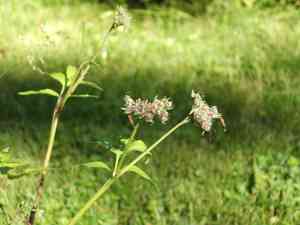
The most favorable period for relocating virginia waterleaf occurs in the prime window of mid to late spring, leveraging moderate temperatures for root development. Choose a location offering dappled light and damp ground. Carefully loosen the adjacent soil to facilitate expansion.
What Preparations are Needed Before Transplanting Virginia Waterleaf?
What is the Ideal Time for Transplanting Virginia Waterleaf?
The best time to move virginia waterleaf is in mid-spring. This period offers a perfect mix of mild temperatures and increasing daylight, promoting strong root growth before summer's intense heat. Transplanting now gives virginia waterleaf the best chance to establish itself while the soil is damp and welcoming, ensuring a smooth transition and vigorous development. Your virginia waterleaf will thrive!
How Much Space Should You Leave Between Virginia Waterleaf Plants?
When relocating virginia waterleaf, allow ample room for each plant to expand. Ideally, position them about 1-2 feet (30-60 cm) apart. This spacing promotes healthy development and proper air circulation.
What is the Best Soil Mix for Virginia Waterleaf Transplanting?
Opt for well-draining soil for virginia waterleaf and enrich it with compost or a balanced, slow-release granular fertilizer. This will supply the essential nutrients for the plant's growth and overall health.
Where Should You Relocate Your Virginia Waterleaf?
Select a spot for virginia waterleaf that receives a daily mix of sun and shade. Excessive sunlight might harm the plant, while too little could hinder its growth.
What Equipments Should You Prepare Before Transplantation Virginia Waterleaf?
Gardening Gloves
To safeguard your hands while handling soil and virginia waterleaf.
Hand Trowel
Used for excavating small holes or extracting virginia waterleaf from a container or tray.
Gardening Spade
Required for digging out virginia waterleaf from its original ground location.
Watering Can or Garden Hose
To moisten the soil and aid in establishing virginia waterleaf in its new spot.
Mulch
To help retain moisture, keeping virginia waterleaf adequately watered post-transplant.
Gardening Pruners
To trim any damaged roots or shoots before moving virginia waterleaf.
How Do You Remove Virginia Waterleaf from the Soil?
How Do You Remove Virginia Waterleaf from the Soil?
From Ground: Begin by watering virginia waterleaf to moisten the soil. Then, use the gardening spade to dig a wide trench around the plant, ensuring the root ball stays intact. Carefully work the spade beneath the root ball to lift virginia waterleaf from its initial position.From Pot: If virginia waterleaf is in a pot, water it first, then turn the pot sideways and gently tap it to ease virginia waterleaf out along with the root ball. Avoid pulling virginia waterleaf out as this could harm the plant.From Seedling Tray: Water the tray, and with a trowel or spoon, gently scoop out virginia waterleaf, making sure the roots and surrounding soil remain undisturbed.
Step-by-Step Guide for Transplanting Virginia Waterleaf
Digging a Hole
The hole's dimensions should be twice the width and the same depth as the root ball of the virginia waterleaf.
Placing the Plant
Carefully position virginia waterleaf in the hole. The top of the root ball should be level with the ground surface.
Finalizing the Planting
Backfill the hole halfway with soil, firmly compact it, then water it. After the water is absorbed, fill the remaining hole with soil and gently pack it down.
Mulching
After planting the virginia waterleaf, spread a layer of mulch around the plant, but not touching the stem. This helps retain soil moisture and keeps the roots cool.
Watering
Once transplanting is complete, water virginia waterleaf thoroughly to help it settle into its new location.
How Do You Care For Virginia Waterleaf After Transplanting?
Watering
Water virginia waterleaf regularly, but be careful not to overwater. The soil should stay moist but not waterlogged.
Checking
Monitor virginia waterleaf for signs of stress like wilting or yellowing; adjust care as needed. If virginia waterleaf appears to be struggling, consult a local nursery for advice.
Pruning
Trim any damaged or fading parts of virginia waterleaf to encourage new growth and prevent diseases.
Protection
Depending on your climate, you might need to shield virginia waterleaf from excessively hot sun or freezing temperatures, especially right after transplanting.
Troubleshooting Common Issues with Virginia Waterleaf Transplantation.
When is the best time to transplant virginia waterleaf?
The ideal period for transplanting virginia waterleaf is typically from late spring to early summer.
What is the correct spacing for virginia waterleaf when transplanting?
When transplanting virginia waterleaf, ensure they are spaced approximately 1-2 feet (30-60 cm) apart to allow them to flourish.
Why is there wilting on my transplanted virginia waterleaf?
Wilting after transplanting is common if virginia waterleaf isn't watered immediately. Ensure the soil remains moist, not saturated, to resolve the issue.
What soil type does virginia waterleaf prefer during transplantation?
Virginia waterleaf thrives in well-drained yet moist soil. Avoid using heavy, clayey soil for transplanting this plant.
What's the correct depth to plant virginia waterleaf during transplantation?
When transplanting virginia waterleaf, position the root ball level with or slightly below the soil's surface. Cover with approximately 10 inches (25 cm) of soil.
Is it OK if virginia waterleaf gets full sunlight after transplantation?
Virginia waterleaf prefers partial to full shade, especially in the afternoon. Too much sunlight can cause the leaves to scorch.
Why aren't my newly transplanted virginia waterleaf growing?
Lack of fertilizer or unfavorable weather conditions could be reasons. Ensure your virginia waterleaf receives adequate nutrients and has good drainage.
Is it necessary to stake virginia waterleaf after transplantation?
Staking isn't required for virginia waterleaf as it's a low-growing plant. However, if you notice your plant leaning or falling over, feel free to secure it.
Does virginia waterleaf have specific water requirements after transplantation?
Yes, virginia waterleaf needs a moist environment. Ensure the plant is watered regularly for the first few weeks following transplantation.
Should I trim virginia waterleaf after transplanting?
Trimming isn't necessary immediately after transplanting. However, pruning in late winter could help virginia waterleaf focus its energy on root development.



