Enhancing Your Garden Design with the Virginia waterleaf Plant: A Landscaping Guide
1
Virginia waterleaf is a adaptable plant that provides both visual appeal and functional advantages to your garden.
2
Properly timing the planting of Virginia waterleaf and selecting an appropriate site are essential for its best development.
3
Incorporating Virginia waterleaf alongside other flora can result in an attractive and thriving garden.
Introducing Virginia Waterleaf in Garden Design
Understanding the visual appeal of Virginia waterleaf
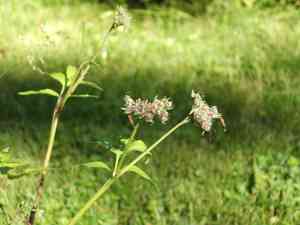
When considering Virginia waterleaf for your landscape, its aesthetic charm is often the first thing that comes to mind. This plant showcases distinctive foliage and an attractive floral display, capable of enlivening any garden space. The intricate leaf patterns and subtle yet striking blossoms serve as beautiful, natural ornamentation, enhancing both the color scheme and texture of your outdoor area. Its adaptability to various garden styles makes it a versatile choice, whether you're aiming for a traditional, contemporary, or even a whimsical look.
Advantages of incorporating Virginia waterleaf into your garden
Beyond its beauty, Virginia waterleaf offers several practical benefits. It is renowned for its resilience and ability to flourish in diverse conditions, minimizing the need for extensive upkeep. Virginia waterleaf also effectively prevents soil erosion, making it an excellent ground cover. Furthermore, it attracts beneficial pollinators like bees and butterflies, fostering a biodiverse and healthy ecosystem in your garden. These combined benefits make Virginia waterleaf not only an appealing option but also a wise one for sustainable landscaping.
Designing with Virginia Waterleaf: A Step-by-Step Guide
Assessing optimal locations for Virginia waterleaf in your yard
When deciding where to plant Virginia waterleaf, consider both light exposure and soil conditions. This plant thrives best in shaded to partially shaded areas, making it ideal for spots beneath trees or beside larger shrubs. Additionally, it prefers moist, well-drained soil but can tolerate various soil types. Walk through your garden, noting areas with less direct sunlight, and check the soil's moisture level. These observations will help you identify the perfect spots for robust Virginia waterleaf growth.
Tips for integrating Virginia waterleaf with other plants
Strategic plant integration is key to a harmonious and beautiful garden. Virginia waterleaf pairs wonderfully with other shade-loving plants such as ferns or hostas. Its unique foliage can provide a contrasting backdrop to highlight the vibrant blooms of flowers like astilbes or daylilies. When planting, consider the height and spread of each plant to ensure they complement each other without overcrowding. Creating layers with plants of varying heights can also add depth and dimension to your landscape.
Maintaining visual equilibrium and harmony
Achieving visual balance with Virginia waterleaf involves a thoughtful arrangement of your plants. Avoid planting in straight lines; instead, group plants in odd numbers for a more natural appearance. Use Virginia waterleaf to fill in gaps and soften the edges of pathways or garden borders. Regularly prune and trim the plants to maintain a neat look and prevent excessive growth. By monitoring symmetry and flow within your garden design, you can ensure your landscape remains harmonious and visually pleasing.
Seasonal Considerations for Virginia Waterleaf
Optimal season to plant Virginia waterleaf for best growth
Timing is critical for the successful establishment of Virginia waterleaf. The best time to plant is during spring or fall when the weather is cooler, and the soil retains more moisture. This allows the plant ample time to establish its roots before the summer heat or winter cold. Be sure to water newly planted Virginia waterleaf regularly during its initial growth phase to help it settle into its new environment smoothly.
Adapting your landscape design with seasonal changes
As seasons shift, so too should your landscape care routine. During the active growing period, ensure your Virginia waterleaf receives sufficient water and consider mulching around the base to retain moisture. In autumn, focus on clearing fallen leaves and debris to prevent mold and mildew. In winter, a light layer of mulch can protect the roots from freezing temperatures. Seasonal adjustments will keep your garden vibrant year-round and enable Virginia waterleaf to thrive through various weather conditions.
Common Challenges When Using Virginia Waterleaf in Landscaping
Addressing typical pests and issues
Like any plant, Virginia waterleaf can be susceptible to pests such as aphids or spider mites. Regular inspection is crucial for early detection. If pests are found, treat the plant with appropriate organic insecticides or simply use a strong spray of water to dislodge them. Additionally, ensure Virginia waterleaf isn't affected by fungal diseases by providing good air circulation around the plants and avoiding overhead watering.
Managing overgrowth and spreading
Overgrowth is a common concern with vigorous plants like Virginia waterleaf. Regular trimming and pruning are essential to control its spread. If Virginia waterleaf begins to encroach on other plants, you can gently thin it out or relocate excess growth to other areas of your garden. Creating barriers, such as garden edging, can also help contain its growth within designated areas.
Success Stories: Transformations Achieved with Virginia Waterleaf
Before and after scenarios of landscapes featuring Virginia waterleaf
Imagining how Virginia waterleaf can transform a landscape can be truly inspiring. Many gardeners have witnessed their dull, shaded corners evolve into lush, vibrant retreats after introducing Virginia waterleaf. Detailed before and after photos illustrate how this plant can seamlessly integrate into existing gardens, providing a refreshing green presence and enhancing the overall aesthetic.
Testimonials from homeowners and landscapers
Homeowners and professional landscapers alike have lauded Virginia waterleaf for its low maintenance and high impact. One gardener recounts, 'Adding Virginia waterleaf to my garden was one of the best decisions I made. It’s easy to care for and fills the space beautifully.' Another landscaper noted, 'My clients appreciate how Virginia waterleaf enhances their shady areas with minimal effort. It’s a win-win for beauty and practicality.' These testimonials highlight the transformative potential of Virginia waterleaf.



