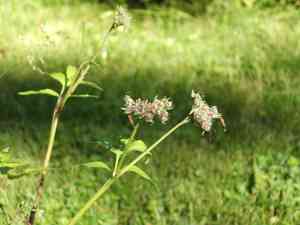
Virginia waterleaf (Hydrophyllum virginianum)
Also known as: Shawnee salad
Mayapple (Podophyllum peltatum) is a native North American herb found in the eastern United States. This plant propagates via underground rhizomes, creating extensive colonies in natural settings. The plant produces distinctive umbrella-like leaves and white flowers that develop into yellow-green fruits.
In This Article
Attributes of Virginia waterleaf
Lifespan
Perennial
Plant Type
Herb
Plant Height
30 cm to 61 cm
Spread
30 cm to 40 cm
Leaf Color
Green White Variegated
Flower Size
2.5 cm
Flower Color
White Purple Lavender
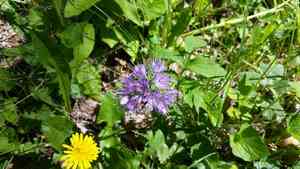
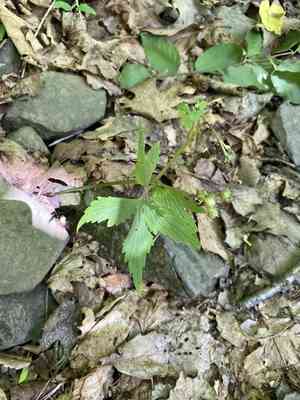
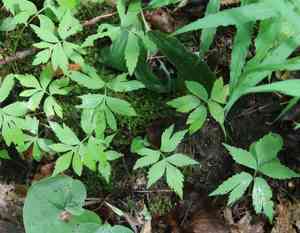
Images of Virginia waterleaf
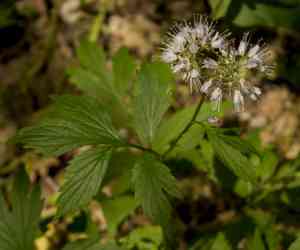
Quickly Identify Virginia waterleaf
1
Bell-shaped flowers in white to lilac hues attract bees.
2
Lower leaves deeply divided into 5-7 toothed leaflets up to 10 inches long.
3
Distinct mottled white patterning on early spring leaves.
4
Globular seed capsule, 1/8 inch in diameter, splits open upon maturity.
5
Erect stems with colors ranging from green to reddish-brown, some slightly hairy.
Scientific Classification of Virginia waterleaf
Phylum
Vascular plants
Class
Dicotyledons
Order
Boraginales
Family
Waterleaf
Genus
Hydrophyllum
Species
Virginia waterleaf
Planting and Growing of Virginia waterleaf
Care Difficulty
Easy
Watering Schedule
Every 8 days
Sunlight Requirements
Partial sun
Sunshine Duration
6-12 hours
Ideal Temperature
60-75℉
Soil Type
Potting Mix, Peat Mix
Soil pH
6.5-7.5
Fertilizer Type
Balanced
Pruning Season
Spring, Summer
Pruning Area
Branches, Leaves
Pruning Frequency
2 times a year
Repotting Season
Spring
Pot Type
Plastic, Ceramic
 How to Water Virginia waterleaf?
When watering Hydrophyllum virginianum, aim for approximately 250 milliliters each time. Ensure the soil remains consistently moist but not waterlogged, allowing it to slightly dry out between waterings. Use your finger to feel the top inch of soil; this will guide you in delivering the right amount of water each time.
What are the symptoms of an underwatered Virginia waterleaf?
›
What should I do if my Virginia waterleaf is not getting enough water?
›
What are the symptoms of an overwatered Virginia waterleaf?
›
How to save an overwatered Virginia waterleaf?
›
 What Are the Sunlight Requirements for Virginia waterleaf?
Partial sun allows this plant to maintain lush foliage and frequent blooming. The balance between light and shade fosters optimal photosynthesis, ensuring the plant's health and vigor, avoiding the stress associated with either stark sunlight or complete shade.
More About Sunlight Requirements Techniques→
What is the best position for this plant?
›
How can I ensure it receives optimal light?
›
Why is the right amount of light crucial?
›
 What Is the Ideal Temperature Range for Virginia waterleaf?
Hydrophyllum virginianum thrives best when the temperature ranges between 60°F and 75°F. This range provides the optimal conditions for its physiological processes, ensuring healthy growth and development. Maintaining this temperature helps in optimizing photosynthesis rates and nutrient uptake, leading to vigorous growth and lush foliage. Any significant departure from this range may warrant attention to prevent stress on the plant.
 What Soil is Best for Virginia waterleaf?
Hydrophyllum virginianum thrives in soils that retain adequate moisture to support its lush foliage without becoming waterlogged. Providing a consistently moist environment helps prevent wilting and promotes healthy growth. This plant benefits from rich, organic soils that offer an abundance of nutrients. High soil fertility supports robust blooming and sustains the plant's overall health, making your garden a display of vibrant greenery. Proper soil drainage is crucial for Hydrophyllum virginianum to prevent root rot. Efficient drainage ensures that excess water flows away, protecting the plant's roots and promoting longevity and resilience.
 How to Fertilize Virginia waterleaf?
Hydrophyllum virginianum, also known as Virginia Waterleaf, typically benefits from a mild fertilization plan. A balanced 10-10-10 liquid fertilizer diluted to half strength is usually sufficient when applied bi-monthly during the growing season. For solid fertilizers, 1-2 tablespoons per plant of a slow-release formula applied in early spring works well.
 How to Prune Virginia waterleaf?
Begin pruning Hydrophyllum virginianum by removing any dead or damaged leaves or stems. Use sharp, sterilized pruning shears for clean cuts to prevent infection or disease. Trim back overgrown stems to maintain a desirable shape. Focus on keeping the plant tidy and manageable, but avoid cutting too much at once to prevent stress. To promote bushier growth, trim the tips of stems. This will stimulate lateral shoots to grow, resulting in a fuller plant. Be sure to evenly distribute pruning throughout the plant.
More About Pruning Techniques→
 How to Propagate Virginia waterleaf plant?
1
Collect seeds from a mature Hydrophyllum virginianum plant. Clean and dry the seeds properly. Ensure they are free of any pests or diseases. Store them in a cool, dry place until you're ready to plant.
2
Fill a seed tray with a high-quality seed-starting mix. Sow the seeds evenly across the tray, covering them lightly with the mix. Water gently to avoid displacing the seeds, ensuring the substrate remains moist but not waterlogged.
3
Using a garden fork, carefully lift the plant clump from the ground. Use a sharp knife or spade to divide the clump into smaller sections. Each section should have a good amount of roots and several stems or buds.
 How to Repot Virginia waterleaf plant?
1
Look for signs like roots growing out of the pot drainage holes or slowed growth. These indicate your Hydrophyllum virginianum is running out of space, and it's time for a change. Ideally, repot during its dormancy in early spring or late autumn to minimize stress.
2
Opt for a pot just one size up from the current one. A pot that’s too large can retain water excessively, suffocating roots. Material wise, a breathable option like terra-cotta is excellent as it allows moisture to evaporate, reducing root rot risks.
3
Choose a well-draining loamy soil, which matches the plant's native habitat. This type of soil holds enough moisture to keep roots hydrated but not so much that it leads to waterlogged conditions. It provides an ideal blend of drainage and retention.
Learn More About Virginia waterleaf Diseases
Anthracnose
Bacterial Leaf Spot
Bacterial Soft Rot
Bacterial Wilt
Black Spot
Chemical Injury
Crown Gall
Damping-off
Downy Mildew
Drought Stress
Fusarium Wilt
Gray Mold
Leaf Curl
Leaf Spot
Mosaic
Nutrient Deficiency
Nutrient Toxicity
Powdery Mildew
Root Rot
Root-knot Nematode
Rusts
Sooty Mold
Spider Mites
Temperature Stress
Thrips Damage
White Mold



