How to Propagate Virginia waterleaf?
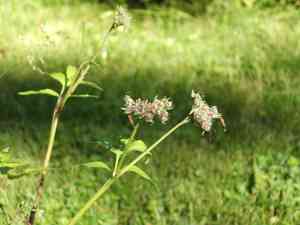
Virginia waterleaf is most effectively propagated in the spring by seeding. It is relatively straightforward to propagate, showing good results from young stems and robust root structures. Ensure steady hydration and offer filtered light for peak development.
Optimal Period for Virginia Waterleaf Propagation
Propagation Method
Seeding
Propagation Period
Spring
Tools for Virginia Waterleaf Propagation
Seed-trays or flats
Utilized for sowing seeds in a regulated setting. Each section or cell permits individual virginia waterleaf seedlings to grow without competition, fostering stronger root systems prior to transplanting. The flat surface aids in consistent watering and light exposure.
Sterile potting mix
Offers a disease-free substrate, vital for the healthy development of virginia waterleaf seedlings. The mixture should be light and drain well to support initial root growth while maintaining sufficient moisture.
Misting bottle
Delivers a fine spray of water to keep virginia waterleaf seeds moist without dislodging them or causing soil erosion, which could impact germination rates. It also lowers the risk of overwatering, potentially leading to fungal diseases.
Heating mat
Provides steady bottom warmth, necessary to maintain optimal soil temperature for virginia waterleaf seed germination. It ensures a stable environment, which can significantly enhance germination success.
Grow lights
Supplies the required light spectrum for virginia waterleaf seedlings to photosynthesize, especially when natural light conditions are insufficient. Grow lights help prevent etiolation (stretched growth) by mimicking sunlight, contributing to more robust plant development.
Dibber or seedling pencil
Employed to create uniform planting holes or to transplant virginia waterleaf seedlings. It assists in ensuring seeds are sown at the correct depth and seedlings are transplanted with minimal root disturbance.
Humidity dome
Covers seed trays to maintain high humidity levels around virginia waterleaf seeds and seedlings, thereby improving germination and preventing the medium from drying out too quickly. It also offers protection from temperature fluctuations and pests.
Labels and markers
Allows for precise identification of virginia waterleaf plants throughout the propagation process. Accurate labeling is essential for monitoring growth stages and keeping records of propagation success.
How to Propagate Virginia Waterleaf?
Propagation Type
Seeding
Difficulty Level
Simple
Caring for Newly Propagated Virginia Waterleaf
Caring for Newly Propagated Virginia Waterleaf
Post-propagation, virginia waterleaf should receive consistent watering during dry periods as they establish. Mulching will help retain soil moisture and keep roots cool. Fertilize sparingly in early spring, if at all, as virginia waterleaf is adapted to thrive in rich woodland soil. Deadheading is unnecessary, as virginia waterleaf is not aggressive and allows for natural seed dispersal within the garden. It is also important to keep the area around virginia waterleaf free from weeds. With proper care, virginia waterleaf should flourish and spread moderately in the garden to form an attractive, low-maintenance ground cover.
Common Errors to Avoid When Propagating Virginia Waterleaf
Overwatering
When propagating virginia waterleaf, a frequent error is to overwater the plant. Virginia waterleaf needs moist soil, but too much water can lead to root rot and fungal diseases, which can be harmful to the plant's health and impede successful propagation.
Deep planting
Planting virginia waterleaf seeds or cuttings too deeply can hinder seed germination or root development in cuttings due to insufficient access to oxygen, light, and can increase the likelihood of mold or fungal issues.
Ignoring soil composition
Virginia waterleaf thrives in rich, well-drained soil. Using soil that is too dense or lacks organic matter can result in poor root development and stunted growth, thus impeding the propagation process.
Tips For Propagating Virginia Waterleaf
Humidity control
For successful propagation of virginia waterleaf, maintaining appropriate humidity levels is crucial. Covering the propagation medium with plastic or using a humidity dome can help retain moisture and warmth, providing an ideal environment for root growth.
Gentle handling
When separating virginia waterleaf for propagation, itâs essential to handle the roots gently to avoid damage. Root systems are delicate and can be easily stressed or injured, which can impact the plantâs ability to establish and grow.
Adequate spacing
When sowing seeds or planting cuttings of virginia waterleaf, providing adequate spacing is crucial. Crowded conditions can lead to competition for resources and increase the risk of disease transmission between plants. Proper spacing allows for healthy root expansion and air circulation.



