How to Overwinter Virginia waterleaf
1
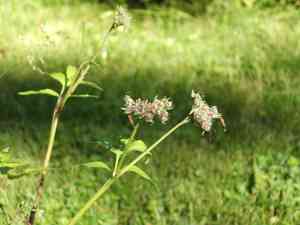
Virginia waterleaf is a robust perennial indigenous to North America, thriving in chilly environments.
2
Applying mulch is essential for safeguarding Virginia waterleaf roots in winter, particularly where frost is harsh.
3
Monitor soil dampness carefully; excessive or insufficient watering can be harmful in colder months.
Understanding the Cold Tolerance of Virginia waterleaf
Understanding the Cold Tolerance of Virginia waterleaf
A notable characteristic of the Virginia waterleaf is its ability to withstand cold. This resilient perennial, native to eastern North America, is well-suited for chilly climates. However, despite its toughness, proper care is vital to ensure its well-being throughout the colder months. Knowing its hardiness will help you prepare appropriately, safeguarding the plant from extreme cold and ensuring it flourishes when spring arrives.
When to Prepare Virginia waterleaf for Winter Dormancy
Indicators to Begin Winter Preparation
Knowing when to initiate the winter preparation process for your Virginia waterleaf is essential. As autumn progresses and temperatures consistently drop below 10°C (50°F), it's time to act. Signs such as yellowing leaves and slower growth indicate the plant is entering its dormant phase. Starting your winter preparations before the first frost will ensure your plant's success.
Steps to Overwinter Virginia waterleaf
Step 1: Pruning and Tidying Up
Start by trimming back the foliage of your Virginia waterleaf. Cut the plant down to approximately 5-10 cm (2-4 inches) above the soil. Removing dead or dying leaves not only helps the plant conserve energy but also reduces the risk of pests and diseases. Clear the area around the plant bed by removing fallen leaves and debris, which can harbor harmful insects and pathogens.
Step 2: Mulching and Soil Protection
Mulching is a critical step in overwintering Virginia waterleaf. Apply a thick layer of organic mulch, such as straw, leaves, or wood chips, around the plant's base. Aim for about 5-8 cm (2-3 inches) of mulch to insulate the roots from freezing temperatures. Mulching not only protects the roots but also helps maintain consistent soil moisture.
Step 3: Winter Watering Requirements
While Virginia waterleaf is dormant, it still needs some moisture. Water the plant thoroughly before the ground freezes to ensure the roots have access to water during dry winter periods. Once the ground is frozen, reduce watering to prevent waterlogging and root rot. Check soil moisture occasionally and water sparingly if the soil becomes too dry.
Step 4: Monitoring for Pests and Diseases
Even during winter, pests and diseases can threaten Virginia waterleaf. Regularly inspect the plant for signs of issues, such as damaged leaves or mold. If you notice any pests, remove them manually or treat the plant with an appropriate organic pesticide. Maintaining a clean garden bed and removing debris will also help deter pests.
Does Virginia waterleaf Require Additional Protection?
When and How to Utilize Row Covers
In particularly severe winters, extra protection might be necessary for your Virginia waterleaf. Row covers or frost blankets can provide an additional layer of insulation, especially during unexpected cold snaps. To use a row cover, drape it over the plant and secure the edges with stakes or soil to prevent it from blowing away. Keep the cover in place during the coldest months, and remove it when temperatures begin to rise in early spring.
Maintaining Virginia waterleaf Health During Winter
Checking Soil Conditions
Monitoring soil conditions is vital for the health of your Virginia waterleaf during winter. Ensure that the soil remains slightly moist but not waterlogged. Use a moisture meter or simply check the soil with your fingers periodically. Proper soil conditions help the plant stay hydrated without risking root rot.
Providing Adequate Light
Although Virginia waterleaf enters a dormant state during winter, access to light remains important. If you're growing the plant indoors, place it near a bright window where it can receive indirect sunlight. For outdoor plants, ensure that they are not heavily shaded by other structures or trees. Adequate light exposure helps the plant maintain its natural cycle and promotes healthy growth come spring.
Common Errors and How to Avoid Them
Overwatering Issues
Overwatering is a common mistake that can lead to root rot and other problems for Virginia waterleaf during winter. Remember that the plant's water needs are significantly reduced in its dormant state. Water sparingly and only if the soil feels dry to the touch. Proper drainage and avoiding waterlogged soil are key to preventing overwatering problems.
Ignoring Pest Prevention
Another frequent oversight is neglecting pest prevention. Even in winter, pests like aphids and slugs can pose a threat to your Virginia waterleaf. Regularly inspect the plant and the surrounding area for signs of pests. Use organic pest control methods and maintain good garden hygiene to deter potential infestations.



