The Virginia waterleaf Plant Advantage: Maximizing Home and Office Appeal and Wellness
1
Virginia waterleaf is recognized for its attractive leaves and blossoms in spring.
2
This species is frequently incorporated into indigenous plant gardens and landscape designs.
3
Virginia waterleaf can enhance ground quality and help avert soil degradation.
What Makes Virginia waterleaf Special?
Visual Appeal
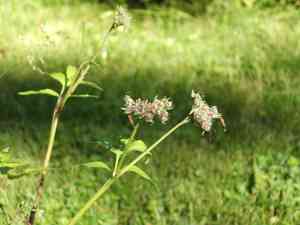
A standout characteristic of Virginia waterleaf is its beautiful leaves, which exhibit a distinctive marbled pattern. This attractive trait adds a touch of sophistication to gardens and outdoor spaces. Furthermore, the plant produces delicate blooms in spring, ranging from white to lavender, boosting its overall decorative value.
Adaptability
Virginia waterleaf is highly versatile regarding soil types and climate conditions, making it a robust option for gardeners. Whether in shaded woodlands or areas with partial sun, Virginia waterleaf flourishes with minimal attention. Its capacity to adjust ensures it can thrive in diverse environments, contributing to its popularity among plant enthusiasts.
How Does Virginia waterleaf Benefit Your Garden?
Soil Health Improvement
A significant advantage of Virginia waterleaf is its positive impact on soil quality. The plant's deep root system helps aerate the soil, facilitating better water and nutrient absorption. This process not only improves the overall health of the soil but also supports the growth of nearby plants. By integrating Virginia waterleaf into your garden, you can foster a healthier, more vibrant ecosystem.
Erosion Control
Virginia waterleaf is an excellent choice for areas susceptible to soil erosion. Its strong root network stabilizes the soil, preventing erosion and reducing runoff. This feature makes Virginia waterleaf particularly useful for planting on slopes or in regions where soil erosion is a concern. By deploying Virginia waterleaf in erosion-prone areas, you can help maintain the integrity of your landscape.
Why Choose Virginia waterleaf for Native Plant Gardens?
Supporting Biodiversity
Including Virginia waterleaf in native plant gardens plays a crucial role in supporting local biodiversity. This plant offers habitat and food sources for various pollinators, including bees and butterflies. By cultivating Virginia waterleaf, you contribute to the preservation of native species and promote a balanced and healthy ecosystem.
Low Maintenance Requirements
Virginia waterleaf demands minimal upkeep, making it an ideal selection for those seeking low-effort gardening solutions. Once established, the plant can thrive with infrequent watering and little need for fertilization. Its resilient nature reduces the time and resources spent on garden care, allowing gardeners to enjoy a flourishing landscape with ease.
What Are the Best Uses of Virginia waterleaf in Landscaping?
Ground Cover
Virginia waterleaf serves as an excellent ground cover option, especially in shaded or partially shaded locations. Its dense foliage creates a lush green carpet, suppressing weeds and enhancing the visual appeal of the landscape. The plant's ability to cover large areas efficiently makes it a preferred choice for ground cover in various settings.
Border Planting
Another effective application for Virginia waterleaf is in border planting. Its attractive foliage and flowers can define garden edges, pathways, and flower beds, adding structure and color to the landscape. Utilizing Virginia waterleaf in border planting helps create a cohesive and aesthetically pleasing garden design.
How to Care for Virginia waterleaf?
Planting and Soil Preparation
Planting Virginia waterleaf involves selecting a suitable spot with well-draining soil. While the plant is adaptable, it thrives best in soils rich in organic matter. Preparing the soil by incorporating compost or leaf mold can provide the necessary nutrients for optimal growth. Plant Virginia waterleaf in early spring or fall for the best results.
Watering and Mulching
Once established, Virginia waterleaf requires moderate watering, especially during dry periods. Mulching around the base of the plant can retain soil moisture and suppress weeds. A layer of organic mulch such as straw or bark chips is recommended to maintain soil health and support Virginia waterleaf's growth.



