How to Prune Virginia waterleaf?
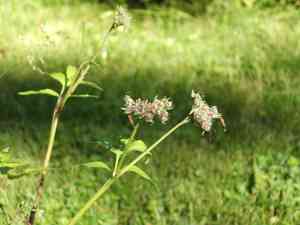
This perennial, which thrives in shade, is recognized for its groupings of campanulate blossoms and unique speckled foliage. For virginia waterleaf, strategic trimming in the spring following its bloom period fosters denser development and sustains the plant's well-being. Eliminating faded flowers, known as deadheading, stimulates additional blossoming throughout the summer. Excise any impaired or infected leaves to inhibit propagation. Pruning improves the aesthetic and vitality of virginia waterleaf, guaranteeing abundant foliage and peak flowering in forthcoming seasons.
What Are the Benefits of Pruning Virginia Waterleaf?
What Are the Benefits of Pruning Virginia Waterleaf?
Trimming virginia waterleaf promotes strong development and maintains its desired form, crucial for a well-kept garden. By cutting back excess growth, gardeners foster a fuller, more vigorous plant that thrives with improved health and visual appeal.
What Is the Best Time for Pruning Virginia Waterleaf?
What Is the Best Time for Pruning Virginia Waterleaf?
Pruning virginia waterleaf from late spring to early summer aligns with the plant's post-flowering growth phase, typically concluding in late spring. This is when the plant has expended energy on producing blooms and is entering a period of vegetative growth. Trimming at this time minimizes stress and potential harm that pruning can cause during active growth or flowering stages. It allows virginia waterleaf to recover and direct resources to new growth and strength development, enhancing the plant's health and vitality. Additionally, removing spent flowers during this period can prevent seeding and encourage a neater growth habit.
What Tools Do I Need to Prune Virginia Waterleaf?
Bypass Pruners
Perfect for clean cuts on virginia waterleaf, reducing harm to plant tissues.
Garden Scissors
Useful for snipping delicate stems and removing faded flowers of virginia waterleaf with accuracy.
Hand Gloves
Protects gardener's hands from any potential irritants on virginia waterleaf during pruning.
How to Prune Virginia Waterleaf
Clean Tools
Before beginning, ensure all pruning tools are clean to prevent disease spread to virginia waterleaf. Sanitize pruners with a bleach and water solution or rubbing alcohol.
Remove Dead Foliage
Carefully identify and remove any dead leaves from virginia waterleaf. Use sharp, clean pruning shears to make a precise cut without damaging surrounding healthy tissue.
Prune Diseased Portions
Examine virginia waterleaf for any signs of illness. Trim away these diseased parts to a healthy section to prevent further infection, making sure to clean the shears between cuts.
Deadhead Wilted Flowers
Identify faded flowers on virginia waterleaf and prune them at the base of the flower stem. Deadheading helps encourage a healthier, more vigorous plant and potentially more blooms.
Dispose Of Waste
Dispose of all pruned material, especially diseased parts, away from virginia waterleaf and preferably in a way that they wonât spread disease, such as bagging and removing from the site.
Common Pruning Mistakes with Virginia Waterleaf
Over-Pruning
Removing too much foliage from virginia waterleaf can impede its growth and reduce its vigor. This plant benefits from a lighter touch.
Cutting Too Close To The Main Stem
This might damage the central structural integrity of the plant and potentially introduce diseases.
Pruning Healthy Leaves
Virginia waterleaf often have a natural, wild appearance, so removing healthy leaves unnecessarily can impact their lush aesthetic and vitality.
Ignoring Dead Or Diseased Foliage
Virginia waterleaf does require the removal of unproductive or unhealthy parts to maintain its health and encourage new growth.
Using Dull Tools
Dull pruning tools can cause damage and create jagged cuts that make virginia waterleaf more susceptible to disease.
Common Pruning Tips for Virginia Waterleaf
Select The Right Tool
Use sharp, clean pruning shears to ensure precise cuts that will heal quickly and minimize stress on virginia waterleaf.
Focus On The Unhealthy Parts
Remove any dead, damaged, or diseased foliage to prevent the spread of disease and pests and to promote healthier growth overall.
Maintain Its Natural Shape
Resist the urge to overly sculpt virginia waterleaf. Instead, aim to preserve its natural form while thinning out dense areas to enhance air circulation.
Encourage New Growth
Cut back some of the older stems to spur the growth of new shoots and flowers.
Clean Up After Pruning
Dispose of the removed foliage properly, and clean your tools to prevent the spread of any potential pathogens.



