How to Transplant Meadow barley?
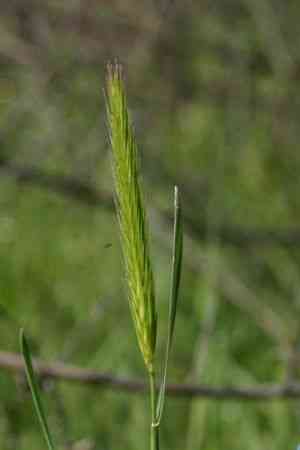
For meadow barley, transplanting them to new spots as the cold weather subsides, in the lush period of early to mid-spring, is optimal. Select locations with abundant sunshine and soil that drains effectively, and carefully promote the root system's expansion during handling.
Preparations Required Before Relocating Meadow Barley
Optimal Period for Transplanting Meadow Barley
The best time to move meadow barley is after winter's cold recedes but before summer's full warmth, generally from late winter to early spring. Moving meadow barley then encourages strong root growth, benefiting from moderate temperatures and increased moisture, which are vital for initial development. This timing helps meadow barley adapt smoothly, ensuring a thriving growth cycle.
Recommended Spacing Between Meadow Barley Plants
Greetings! To ensure your meadow barley thrives in your garden, provide ample room. Aim to plant them approximately 8-12 inches (20-30 cm) apart. This spacing allows their root systems to expand comfortably and grow without competition.
Ideal Soil Composition for Meadow Barley Transplantation
For meadow barley, a well-drained soil rich in organic matter is most suitable. Prepare the soil with a foundational fertilizer, such as a balanced 10-10-10 blend; this will provide an excellent start for your perennial plants. Gently mix it into the soil before planting.
Choosing the New Location for Your Meadow Barley
When selecting the perfect spot for your meadow barley, a location with partial to full sunlight is preferable. Find an area where they can receive at least 4-6 hours of direct sun. Remember, while they love light, they can also tolerate some afternoon shade!
Equipment Needed Before Transplanting Meadow Barley
Gardening Gloves
To safeguard your hands while handling soil and plants.
Hand Trowel
For excavating small holes and managing soil around the plant during the relocation process.
Spade or Shovel
For carefully digging out meadow barley from its original spot, ensuring minimal disruption to its roots.
Watering Can or Hose
To hydrate meadow barley both before and after its move, reducing transplant shock.
Pruning Shears
To trim any dead or damaged roots or leaves prior to transplanting.
Wheelbarrow or Garden Cart
For transporting meadow barley along with any necessary soil or mulch.
Mulch
To apply around the base of meadow barley post-transplantation, aiding in moisture retention and soil temperature regulation.
Method for Extracting Meadow Barley from the Soil
Method for Extracting Meadow Barley from the Soil
From Ground: Start by watering the meadow barley plant to soften the surrounding soil. Use a spade or shovel to dig a wide trench around the plant, taking care to keep the root ball intact. Gently slide the spade underneath the root ball to lift the plant from its current position.From Pot: Water the meadow barley and allow excess water to drain. Grasp the plant at its base, then carefully tip the pot sideways. Tap or press on the pot to loosen the plant and soil, then ease the plant out while supporting the root ball.From Seedling Tray: Water the seedlings to make the soil pliable. Use a hand trowel or a similar tool to loosen the soil around the desired meadow barley. Gently remove the seedling, ensuring you retain as much soil around the roots as possible.
Step-by-Step Guide for Relocating Meadow Barley
Prepare the New Site
Identify the optimal ground location for meadow barley, considering its distance from other plants and structures.
Dig the Hole
Use a shovel to excavate a hole that is twice as wide and equally as deep as the meadow barley's root ball.
Plant Inspection
Before placing meadow barley into the hole, examine its roots. Use pruning shears to remove any dead or damaged roots.
Placement
Position meadow barley in the center of the hole. The top of the root ball should be level with the surrounding soil surface.
Backfill
Gently refill the hole with the excavated soil, lightly patting it down to eliminate air pockets without overly compacting the soil.
Water Immediately
Thoroughly water meadow barley to settle the soil and provide hydration. Use a gentle stream to prevent washing away soil or exposing roots.
Mulch Application
Apply a layer of mulch around the base of meadow barley, being careful not to pile it against the plant's stems or leaves.
Post-Transplantation Care for Meadow Barley
Watering
Ensure the soil around meadow barley remains consistently moist for the initial weeks after transplanting, which aids in preventing transplant shock and fostering robust root development.
Monitoring for Stress
Observe meadow barley for indications of transplant shock, such as wilting or discolored leaves, and implement corrective measures as needed.
Mulch Maintenance
Verify that the mulch stays in place and replenish it as required to maintain moisture and regulate soil temperature.
Pruning
Trim any newly dead or damaged foliage to redirect meadow barley's energy towards establishing a strong root system.
Support Structures
If meadow barley is tall or top-heavy, consider using stakes or other supports to help it remain upright as it settles into its new location.
Resolving Common Issues with Meadow Barley Transplantation
When is the best time to move meadow barley?
Relocate meadow barley during the invigorating start of the season, typically early to mid-spring when growth is robust.
What spacing should I use for meadow barley when transplanting?
Aim for a comfortable distance, spacing meadow barley approximately 8-12 inches (20-30 cm) apart to allow them ample room to flourish.
Why are my meadow barley transplants wilting after planting?
Wilting may indicate shock. Ensure they are well-watered post-move and shielded from intense sunlight for a few days.
Should I fertilize meadow barley when transplanting?
A beneficial application of balanced, slow-release fertilizer can promote meadow barley's healthy growth in their new environment.
How deep should the hole be for transplanting meadow barley?
Dig a suitable bed, just deep enough so that meadow barley's root ball sits level with the surrounding soil surface.
Can I transplant meadow barley during the summer or fall?
It's feasible, but spring's mild conditions are ideal. Summer heat or autumn chill can stress meadow barley, hindering their adaptation.
How much water does meadow barley need after transplanting?
Immediately after transplanting, provide meadow barley with a generous amount of water, then maintain consistent moisture without overwatering.
Why isn't my meadow barley growing after being transplanted?
Patience is crucial! Meadow barley might be prioritizing root development. Ensure they receive adequate water, light, and are not overcrowded.
What soil type is best for transplanting meadow barley?
A well-draining soil will make meadow barley feel at home, preventing water retention that could lead to root rot.
Do I need to prune meadow barley when transplanting?
Lightly trim damaged parts to direct meadow barley's energy towards root establishment rather than foliage repair. A neat trim is very effective.



