How to Prune Meadow barley?
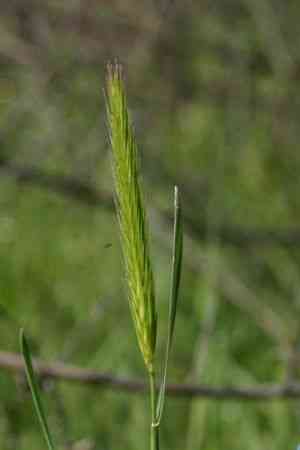
Meadow barley, a perennial grass, flourishes in grasslands, recognized by its characteristic drooping seed heads. Trimming entails eliminating withered leaves and faded seed heads, which stimulates fresh development and sustains the plant's vitality. The most suitable time for pruning is in early spring or during winter when the plant is inactive. Exercising caution to avoid pruning during periods of active growth prevents strain. Pruning not only improves its appearance but also fosters air movement, thereby lowering the likelihood of disease for meadow barley.
What Are the Benefits of Pruning Meadow Barley?
What Are the Benefits of Pruning Meadow Barley?
Trimming meadow barley promotes robust development and preserves its desired shape, crucial for its aesthetic appeal and vitality. Strategic cuts help manage its size and stimulate new, strong shoots.
What Is the Best Time for Pruning Meadow Barley?
What Is the Best Time for Pruning Meadow Barley?
Trimming meadow barley in early spring is optimal as the plant awakens from dormancy, prior to investing energy in significant new growth. This timing allows for rapid healing and directs resources towards fresh development. Additionally, winter pruning is advantageous since meadow barley is dormant, lessening plant stress and minimizing disease risk. During these periods, meadow barley's growth cycle is at a stage where trimming can foster healthy growth and prepare it for the upcoming growing season.
What Tools Do I Need to Prune Meadow Barley?
Hand Pruners
Suitable for cutting thinner stems of meadow barley, ensuring clean cuts without harming the plant.
Grass Shears
Perfect for shaping and maintaining the thick clumps of meadow barley, allowing for precise, close trimming near the ground.
Scissors
Appropriate for snipping delicate stems or removing spent seed heads of meadow barley, offering control for accurate cuts.
Pruning Saw
Generally not required for meadow barley due to its fine foliage and grass-like characteristics.
How to Prune Meadow Barley
Clean Tools
Disinfect trimming implements to prevent the spread of pathogens to meadow barley.
Identify
Examine meadow barley for diseased leaves and withered leaves that require removal.
Sanitize
Use rubbing alcohol or a bleach solution to sanitize hands and gloves before touching meadow barley, if handling diseased material.
Trim Diseased
Carefully cut diseased leaves from meadow barley, ensuring to snip at the base of the leaf without damaging the stem.
Trim Withered
Remove withered leaves from meadow barley by cutting them at the base to encourage healthy growth and reduce pest habitats.
Common Pruning Mistakes with Meadow Barley
Over-Pruning
Removing too much foliage from meadow barley at once can stress the plant, leading to weak growth or plant failure. Aim for moderate pruning to maintain plant health.
Improper Cut Location
Making cuts in the wrong location can harm meadow barley. Cuts should be made just above leaf nodes or branching points, not in the middle of stems.
Using Dull Tools
Dull pruning tools can damage meadow barley's stems, leading to ragged cuts that are more susceptible to pests and diseases. Always use sharp, clean tools for clean cuts.
Pruning Without Reason
Pruning meadow barley indiscriminately or without a specific purpose can lead to an undesirable plant shape and reduced vigor. Only prune as needed to shape or remove dead material.
Ignoring Plant Structure
Not considering the natural form of meadow barley during pruning may result in uneven growth and a visually unappealing shape. Understand the plant's growth pattern before cutting.
Common Pruning Tips for Meadow Barley
Prune To Shape
Lightly prune meadow barley to maintain its natural meadow form, removing any out-of-place or overly long stems to encourage a tidy and dense growth habit.
Remove Dead Material
Regularly remove dead or damaged foliage from meadow barley to promote healthy growth and reduce the risk of disease.
Thin Out Density
Thin out dense clumps of meadow barley to improve air circulation if necessary, which can help prevent the onset of fungal diseases due to moisture retention within the foliage.
Cut Above Nodes
When pruning meadow barley, always make cuts at a 45-degree angle just above leaf nodes or branching points to encourage new growth in the desired direction.
Sanitize Tools
To prevent the spread of disease, sanitize pruning tools before and after use on meadow barley with an alcohol or bleach solution.



