How Much Sunlight Do Meadow barley Need?
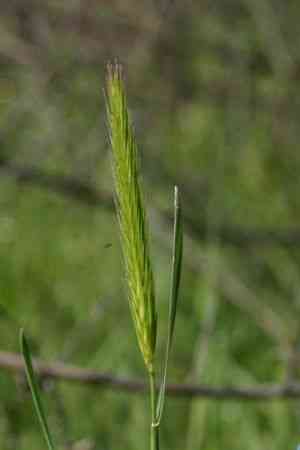
1
Meadow barley flourishes optimally in areas with ample sunlight, needing a minimum of 6 hours of direct sun each day.
2
Under conditions of partial shade, Meadow barley might exhibit less vigorous growth, yet it can still endure.
3
The specific sunlight requirements for Meadow barley can vary based on climatic conditions, demanding modifications for peak development.
Grasping Meadow barley's Light Requirements
Optimal Light Exposure
For successful Meadow barley cultivation, providing adequate sunlight is vital for its well-being. Ideally, Meadow barley should receive direct sunlight for a minimum of 6 hours daily. This light duration enables efficient photosynthesis, promoting robust growth and vibrant foliage. Full sun signifies a location where the plant gets direct sunlight for most of the day.
Full Sun Versus Partial Shade
Although Meadow barley thrives in full sun, it can endure conditions of partial shade. In areas with partial shade, the plant might exhibit less dense growth or fail to reach its full potential. Partial shade refers to environments where sunlight is filtered by trees or structures, offering dappled light instead of direct exposure. If your spot only receives 3-4 hours of direct sunlight, Meadow barley can still survive but may need extra care to flourish.
Determining Meadow barley's Light Needs in Various Climates
Sunlight in Moderate Climates
In moderate climates, Meadow barley typically experiences ideal growth conditions with mild temperatures and varying sunlight throughout the year. During its active growth phase, ensuring the plant gets ample sunlightâpreferably full sunâwill encourage healthy development. Be aware of seasonal shifts; on shorter, cloudier days, maximize available sunlight by strategically placing the plant in the brightest possible location.
Sunlight in Arid Regions
Cultivating Meadow barley in arid regions presents specific challenges, particularly concerning sunlight. These areas often have intense, direct sunlight and minimal rainfall. Despite abundant light, extreme heat can potentially stress the plant. To safeguard Meadow barley in these conditions, consider using shade cloths during peak sun hours or providing some form of cover to alleviate excessive heat while still ensuring the plant receives necessary light.
Sunlight in Coastal Zones
In coastal areas, Meadow barley might receive less intense but more consistent sunlight due to the moderating effect of large water bodies on temperatures. Wind and salt spray can also impact light exposure. In such settings, Meadow barley will benefit from being planted in spots that get full sun while being protected from strong winds and salt-laden air, which can harm its leaves.
Adjusting Light for Indoor Meadow barley Cultivation
Effective Use of Grow Lights
If you're growing Meadow barley indoors, natural sunlight may not always be an option. In these instances, grow lights offer an effective alternative. LED grow lights that mimic natural sunlight's spectrum are an excellent choice. Position the grow lights approximately 12-24 inches (30-60 cm) above the plants and keep them on for about 12-16 hours daily to replicate the full sun exposure Meadow barley requires.
Plant Positioning for Optimal Light
For indoor growth without grow lights, placing your Meadow barley plant near a south-facing window is ideal, as this provides the most sunlight throughout the day. East or west-facing windows can also offer decent light if southern exposure isn't available. Rotate the plant periodically to ensure even light distribution and prevent it from leaning towards the light source.
Common Light-Related Issues for Meadow barley
Indicators of Insufficient Light
Recognizing signs of inadequate sunlight is vital for maintaining Meadow barley's health. Symptoms include elongated growth, where the plant stretches towards the light, and pale or yellowing leaves, indicating nutrient transport problems. If you observe these signs, try moving the plant to a sunnier location or supplementing with grow lights to ensure it receives the necessary light for healthy development.
Managing Excessive Light Exposure
Conversely, too much light exposure can also be problematic, especially in regions with intense sunlight. Signs of excessive sun include scorched or brown-tipped leaves and leaf curling. To alleviate this, provide some shade during peak sunlight hours, adjust watering practices to prevent dehydration, and ensure the soil remains moist but well-drained.
Frequently Asked Questions Regarding Meadow barley's Light Needs
Can Meadow barley Thrive in Low Light Conditions?
While Meadow barley is adaptable, it is not well-suited for low light environments. In settings where sunlight is minimal, the plant's growth will be significantly stunted, and it may not flourish. It is crucial to provide at least some direct sunlight or supplemental grow lights to support its development.
How Long Can Meadow barley Survive Without Direct Sunlight?
If deprived of direct sunlight, Meadow barley can endure for a limited period, approximately 2-3 weeks. However, its health will decline, and growth will be negatively affected. For extended periods, ensure an alternative light source or relocate the plant to a sunnier position as soon as possible.



