How to Propagate Meadow barley?
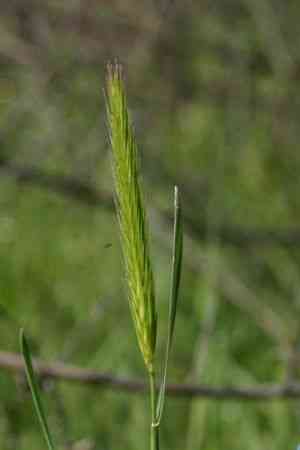
Meadow barley can be successfully multiplied by means of division. This method entails splitting a well-developed plant into smaller segments, each possessing its own root system, which are subsequently replanted. For the best chance of establishment, it is crucial to verify that each separated portion has sufficient roots and foliage. Carefully excavate the parent plant, preserving the root system as much as possible. With a sharp, sanitized implement, the cluster is gently separated along its natural breaks to reduce trauma. The individual divisions are then transplanted into appropriate growing environments, with consideration for proper soil hydration and light levels to foster successful rooting and development.
Optimal Period for Meadow Barley Propagation
Propagation Method
Separation
Propagation Period
Spring,Autumn
Equipment for Meadow Barley Propagation
Garden Spade or Fork
These implements are vital for dividing meadow barley, as they facilitate gentle lifting of the plant from the earth without significant root trauma. A spade or fork with a sharp, flat edge is perfect for cutting through the soil and ensuring a clean separation of the root system. This helps preserve root integrity, which is essential for the plant's successful re-establishment.
Pruning Shears
These are utilized to trim any surplus or dead foliage from meadow barley both before and after division. Clean, sharp pruning shears ensure precise and healthy cuts, minimizing the risk of disease and stress to the plant. Proper trimming directs the plant's energy toward establishing new roots instead of maintaining unnecessary leaves.
Rooting Hormone
While not always necessary, applying a rooting hormone to the cut surfaces of meadow barley's roots can enhance root development. This promotes quicker establishment and improved growth post-propagation, especially in less than ideal soil conditions. It stimulates the plant's natural root hormones, encouraging faster adaptation to the new environment.
Watering Can with a Fine Rose
Following division, meadow barley requires consistent hydration to help reduce transplant shock and encourage root development. A watering can with a fine rose attachment allows for gentle irrigation that doesn't disturb newly planted divisions or wash away soil covering delicate roots.
Label and Marker
Labels are crucial for tracking divided meadow barley, particularly when propagating multiple plants. Proper labeling with a weatherproof marker ensures that each plant's growth can be accurately monitored and cared for according to its specific needs, aiding in successful cultivation after propagation.
How to Propagate Meadow Barley?
Propagation Type
Simple
Post-Propagation Care for Meadow Barley
How to Care for Your Newly Propagated Meadow Barley?
After propagating meadow barley, ensure consistent soil moisture, especially during dry spells, to encourage healthy root establishment. Meadow barley thrives in well-drained soil and full to partial sun exposure. Minimal fertilization is needed; a light application of a balanced fertilizer early in the growing season can support vigorous growth. Regularly check for pests and diseases, though meadow barley is generally quite resilient. Mulching around the plant can help retain soil moisture and suppress weed growth.
Common Errors to Avoid When Propagating Meadow Barley
Neglecting soil quality
Using unsuitable soil can impede root development in meadow barley, leading to poor establishment and growth. Incorrect soil composition might not provide adequate nutrients or drainage, which are vital for meadow barley's health.
Excessive watering
During meadow barley establishment, too much water can cause root rot, a condition where the root system begins to decay. This can severely hinder the plant's ability to absorb nutrients and water, stunting or even killing young plants.
Incorrect planting depth
Planting meadow barley too deeply can restrict oxygen availability to the roots, hindering proper growth. Conversely, shallow planting might not anchor the plant well, making it vulnerable to displacement or drying out.
Advice for Propagating Meadow Barley
Soil preparation
Utilize well-drained soil rich in organic matter to promote healthy root growth in meadow barley. Ensuring the soil has the right composition (loamy soil, pH between 6.0 and 7.0) supports overall plant vigor.
Moisture management
Provide consistent, moderate watering for meadow barley, especially during the critical phase of root establishment. Ensure that the soil remains moist but not waterlogged, to prevent root diseases.
Correct planting depth
Plant meadow barley at the appropriate depth, which is typically about the same depth as the seed's size. This supports adequate root exposure to nutrients and water, while also securing the plant firmly in the soil.



