Enhancing Your Garden Design with the Meadow barley Plant: A Landscaping Guide
1
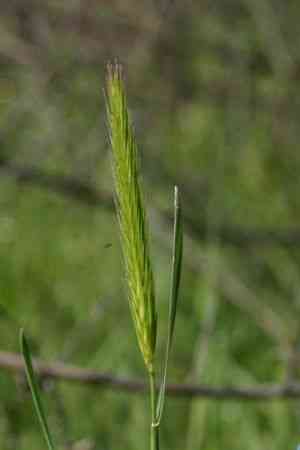
Hordeum brachyantherum provides both visual charm and ecological advantages, making it a beneficial inclusion in any outdoor space.
2
Correct planting methods and positioning are crucial for maximizing the effect of Hordeum brachyantherum in your yard.
3
Hordeum brachyantherum complements other plant life effectively, guaranteeing continuous attractiveness and ecological balance.
Introducing Meadow Barley in Landscape Design
Appreciating the Visual Appeal of Meadow Barley
Meadow barley is a versatile and attractive plant that can greatly enhance your landscape's beauty. Its graceful, arching stems and vibrant green leaves offer a soft, natural appearance that complements various garden styles. Whether used alone or with other plants, Meadow barley adds a touch of elegance and movement, creating a peaceful and inviting outdoor area.
Ecological Advantages of Incorporating Meadow Barley into Your Garden
Beyond its visual charm, Meadow barley provides numerous environmental benefits. As a native species, it adapts well to local conditions, needing less water and upkeep than non-native options. Meadow barley also excels at soil stabilization and erosion control due to its deep root system. Furthermore, it offers shelter and food for local wildlife, boosting biodiversity in your garden.
Optimal Placement and Cultivation of Meadow Barley for Best Results
Choosing Prime Locations for Planting Meadow Barley
Selecting the right spot is vital for maximizing Meadow barley's impact in your landscape. This plant thrives in full sun or partial shade and prefers well-drained soil. Ideal locations include border edges, wildflower gardens, or near water features where its natural beauty can be fully appreciated. Consider your garden's overall aesthetic and practical needs when picking a site for Meadow barley.
Techniques for Planting Meadow Barley to Achieve a Natural, Flowing Landscape
To achieve a harmonious and natural look, plant Meadow barley in groupings or sweeps rather than isolated patches. This method mimics its natural growth pattern and enhances your garden's visual flow. When planting, ensure the soil is well-prepared by adding organic matter and guaranteeing good drainage. Space plants appropriately for mature growth, and water thoroughly after planting to establish strong roots.
Effective Meadow Barley Combinations: What Works Best?
Pairing Meadow Barley with Perennials for Year-Round Attractiveness
Combining Meadow barley with perennials ensures your garden remains appealing throughout the year. Pair it with flowering perennials like coneflowers, black-eyed Susans, or lavender to create a vibrant display of colors and textures. These combinations not only provide continuous visual interest but also support pollinators, enhancing your garden's ecological value.
Using Meadow Barley Alongside Ornamental Grasses and Shrubs
Another excellent way to integrate Meadow barley is by pairing it with ornamental grasses and shrubs. The contrasting textures and heights of different grasses, such as feather reed grass or switchgrass, complement Meadow barley's delicate structure. Shrubs like spirea or hydrangea add volume and variety to your garden, creating a layered and dynamic landscape that is visually appealing and ecologically robust.
Maintenance Advice for Meadow Barley in Landscapes
Seasonal Care Routines to Ensure Meadow Barley Thrives
Maintaining Meadow barley involves seasonal care routines to keep it healthy and looking its best. In early spring, cut back old growth to allow for new shoots. During the growing season, water regularly but avoid overwatering, as Meadow barley prefers well-drained soil. Applying a layer of mulch can help retain moisture and suppress weeds. Fertilize sparingly with a balanced, organic fertilizer to encourage robust growth.
Addressing Common Issues with Meadow Barley in Home Gardens
While Meadow barley is relatively low-maintenance, it can encounter some challenges. Watch for pests like aphids or fungal diseases that can affect its health. Address these issues by ensuring good air circulation and maintaining soil health. Regularly inspect the plants and use natural remedies, such as neem oil, to manage problems. Avoid overcrowding plants to reduce the risk of disease and pest infestation.
Future Trends: Innovations in Using Meadow Barley for Environmentally Friendly Landscaping
Emerging Trends in Eco-Landscaping Featuring Meadow Barley
The field of eco-landscaping is constantly evolving, with Meadow barley playing a significant role in new trends. Landscape designers are increasingly incorporating native plants like Meadow barley to create sustainable gardens that require fewer resources and support local wildlife. Innovations such as mixed-species plantings and rain gardens featuring Meadow barley are gaining popularity for their ability to enhance biodiversity and resilience in residential landscapes.
How Meadow Barley is Influencing Modern Sustainable Outdoor Design
Meadow barley is at the forefront of modern sustainable outdoor design, shaping how landscapes are planned and executed. By utilizing Meadow barley in combination with other native plants, designers create gardens that are not only beautiful but also environmentally responsible. These sustainable landscapes reduce the need for chemical inputs, conserve water, and create habitats for pollinators and other wildlife. This approach aligns with the growing movement towards greener and more eco-conscious living spaces.



