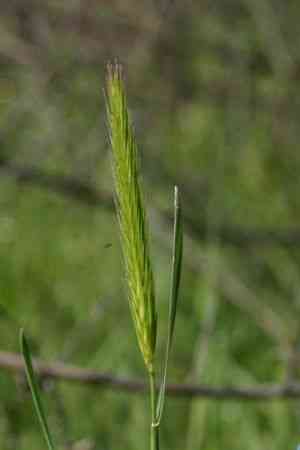
Meadow barley (Hordeum brachyantherum)
Also known as: California barley
Great Basin wildrye (Leymus cinereus) is a native perennial grass primarily found in western North America. It plays a crucial role in restoring native grasslands and stabilizing soil. In early spring, its tender shoots serve as a vital food source for deer.
In This Article
Attributes of Meadow barley
Lifespan
Perennial
Plant Type
Grass
Plant Height
25 cm to 76 cm
Spread
Not applicable
Leaf Color
Green
Flower Size
Not applicable
Flower Color
Yellow Green Purple Brown
Images of Meadow barley
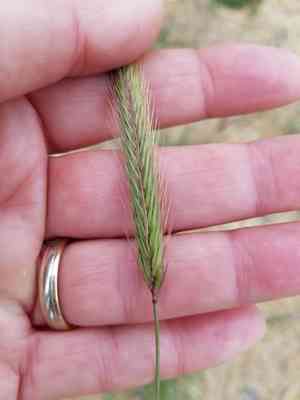
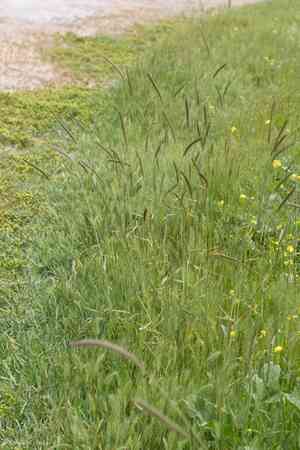
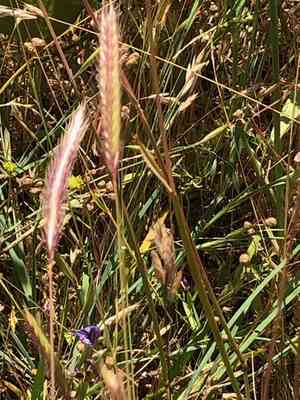
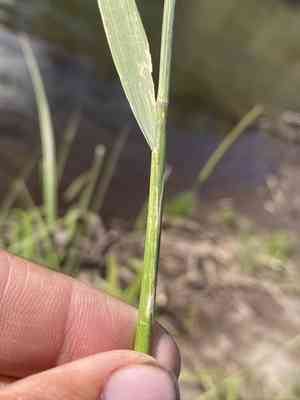
Quickly Identify Meadow barley
1
This grass can be identified by its long, narrow leaves, flattened sheaths, and spikelets with awns that give the seedhead a bristly appearance.
Scientific Classification of Meadow barley
Phylum
Vascular plants
Class
Monocotyledons
Order
Poales
Family
Grass
Genus
Barleys
Species
Meadow barley
Planting and Growing of Meadow barley
Care Difficulty
Easy
Watering Schedule
Every 8 days
Sunlight Requirements
Full sun
Sunshine Duration
6-10 hours
Ideal Temperature
60-75℉
Soil Type
Potting Mix, Peat Mix
Soil pH
6.5-7.5
Fertilizer Type
Balanced
Pruning Season
Spring, Summer
Pruning Area
Branches, Leaves
Pruning Frequency
2 times a year
Repotting Season
Spring
Pot Type
Plastic, Terracotta
 How to Water Meadow barley?
When watering Hordeum brachyantherum, aim to pour 250 milliliters of water per session. This should ensure the soil is evenly moist but not waterlogged, promoting healthy root growth without suffocating the plant.
What are the symptoms of an underwatered Meadow barley?
›
What should I do if my Meadow barley is not getting enough water?
›
What are the symptoms of an overwatered Meadow barley?
›
How to save an overwatered Meadow barley?
›
 What Are the Sunlight Requirements for Meadow barley?
Hordeum brachyantherum thrives best in full to partial sun, ideally 6-8 hours per day, allowing for robust photosynthesis, optimal nutrient production, and vigorous growth vital for its health and development.
More About Sunlight Requirements Techniques→
What is the ideal sunlight condition for Hordeum brachyantherum?
›
How to achieve ideal sunlight conditions for Hordeum brachyantherum?
›
What are the benefits of ideal sunlight conditions for Hordeum brachyantherum?
›
 What Is the Ideal Temperature Range for Meadow barley?
Hordeum brachyantherum, known commonly as meadow barley, thrives in environments where temperatures are between 60°F and 75°F. In this range, the plant can maximize photosynthesis and metabolize nutrients efficiently, supporting optimum growth and health. Such temperatures simulate mild conditions, which are characteristic of its native habitats.
 What Soil is Best for Meadow barley?
Hordeum brachyantherum thrives in nutrient-rich soil that supports vigorous growth and resilience against environmental stress. Rich soil ensures that the plant can maintain its lush foliage and produce healthy seeds. This plant requires well-drained soil to prevent waterlogging, which can lead to root rot. Adequate drainage ensures the roots get enough oxygen, promoting strong and healthy root development. While good drainage is essential, this plant also benefits from soil that retains some moisture to support sustained growth through dry periods, helping the plant manage water scarcity effectively.
 How to Fertilize Meadow barley?
Hordeum brachyantherum, also known as meadow barley, typically requires a balanced application of fertilizers for optimum growth. For liquid fertilizers, use a solution that is half the recommended strength to prevent over-fertilization. Apply approximately 1 liter of diluted fertilizer per square meter of soil. For slow-release fertilizers, spread no more than 10 grams per square meter at each application to avoid nutrient burn.
 How to Prune Meadow barley?
Ensure your pruning tools are sharp and clean before starting. This prevents the spread of diseases and ensures clean cuts that heal faster, minimizing stress and damage to the plant. Monitor the plant's growth cycles closely. In early spring, focus on removing winter damage. Meanwhile, summer pruning should aim at shaping and managing growth before seed heads form.
More About Pruning Techniques→
 How to Propagate Meadow barley plant?
1
Begin by filling the seed tray with a well-draining seed mix. Sow the seeds on the surface and cover them lightly with soil. Water gently to settle the soil and place the tray in a warm location with indirect light.
2
Prepare for division by selecting a mature clump with healthy growth. Use the garden fork to carefully lift the clump from the soil, ensuring you do not damage the roots. Shake off excess soil to expose the roots for easier division.
3
After dividing the plant into smaller sections, choose an appropriate site with full sun and well-drained soil for transplanting. Dig holes that can accommodate the root ball of each division, ensuring proper spacing for growth.
 How to Repot Meadow barley plant?
1
Hordeum brachyantherum should be repotted when you notice roots protruding from the drainage holes or when the soil appears compacted and doesn't retain moisture well. Another signal is if the plant's growth seems stunted, suggesting that it's time for a larger pot or refreshed soil.
2
Select a pot that is one size larger than the current one, with ample drainage holes. This prevents waterlogging, which can lead to root rot. A slightly bigger pot provides enough space for the roots to expand while ensuring the plant remains anchored and stable.
3
Opt for well-draining sandy loam when repotting Hordeum brachyantherum. This soil type balances moisture retention with drainage, avoiding waterlog issues while ensuring roots have access to air, which is crucial for healthy growth.



