The Meadow barley Plant Advantage: Maximizing Home and Office Appeal and Wellness
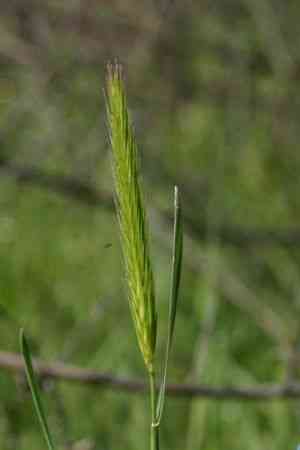
1
Meadow barley enhances ground quality by naturally preventing erosion.
2
Meadow barley aids indigenous fauna by offering sustenance and shelter.
3
Meadow barley requires minimal upkeep, rendering it perfect for eco-friendly landscaping.
How Does Meadow barley Improve Soil Quality?
Natural Erosion Prevention
Meadow barley excels at preventing soil erosion due to its dense, fibrous root system. These roots help bind soil particles, reducing runoff and maintaining soil structure. This makes Meadow barley an excellent choice for planting in areas prone to erosion, such as slopes and riverbanks.
Boosting Soil Fertility
Meadow barley enhances soil fertility by contributing organic matter through decaying roots and fallen leaves. The plant's decomposition process enriches the soil, supplying vital nutrients that promote the growth of nearby vegetation. Consequently, it supports a more diverse and robust ecosystem.
How Does Meadow barley Benefit Local Wildlife?
Habitat Provision
Meadow barley serves as a crucial habitat and food source for various wildlife species. Birds, small mammals, and insects depend on the plant for shelter and sustenance. During its flowering period, it attracts pollinators like bees and butterflies, which are essential for the reproduction of many plants.
Supporting Biodiversity
Meadow barley plays a key role in fostering biodiversity. Its presence within an ecosystem helps maintain balance by supporting a wide array of species. Diverse plant life, sustained by Meadow barley, ensures that no single species dominates, which is vital for a healthy and functional ecosystem.
Why Is Meadow barley Ideal for Sustainable Landscaping?
Low-Maintenance Growth
Meadow barley is recognized for its low-maintenance characteristics, making it an appealing option for sustainable landscaping. Once established, it requires minimal watering and fertilization, which conserves water resources and lessens the need for chemical inputs. This makes Meadow barley a practical choice for eco-friendly gardening.
Drought Resilience
Another significant advantage of Meadow barley is its drought tolerance. This plant can thrive in conditions of limited rainfall, making it perfect for regions with water scarcity. Its drought-resistant properties ensure it remains strong and healthy, even during extended dry periods.
How Can Meadow barley Be Incorporated into Restoration Projects?
Ecosystem Restoration
Meadow barley is frequently utilized in ecological restoration projects to revitalize damaged landscapes. Its capacity to quickly establish and stabilize soil makes it a vital component in restoring degraded areas. By reintroducing Meadow barley, project managers can accelerate the recovery of plant communities and enhance ecosystem resilience.
Enhancing Native Plant Diversity
In restoration projects, Meadow barley is often planted alongside other native species to boost plant diversity. Its compatibility with various plant types allows it to coexist and flourish, creating a more intricate and interdependent plant community. This diversity is crucial for the long-term success and sustainability of restoration efforts.
What Are the Decorative Uses of Meadow barley?
Aesthetic Appeal
Meadow barley adds visual appeal to gardens and landscapes with its graceful, arching stems and vibrant green foliage. It can be planted in ornamental borders, meadows, or naturalized areas to create a visually pleasing environment. Its resilience and minimal upkeep further enhance its attractiveness to gardeners.
Design Versatility
The adaptability of Meadow barley allows it to be used in various landscaping designs. Whether employed as a ground cover, accent plant, or part of a mixed planting, its flexible nature enables it to fit into different garden styles. Its ability to complement other plants makes it a valuable asset in landscape architecture.



