How to Transplant Paleface?
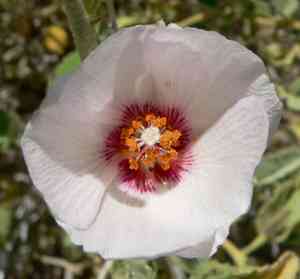
The ideal period for relocating paleface is from the gentle warmth of late spring into the beginning of summer, or when the calm of early winter arrives. Select a location where sunlight filters through to the ground for best development; maintaining adequate moisture for the roots during the transfer guarantees a seamless adjustment.
What Preparations are Needed Before Transplanting Paleface?
What is the Ideal Time for Transplanting Paleface?
The best period to move paleface is from the start of late spring through the gentle warmth of early summer, or during the quiet of early winter. These times provide paleface with an excellent mix of moderate temperatures and mild weather, crucial for root development and adaptation. Transplanting paleface then allows it to establish a strong root system during active growth or dormancy, ensuring a vibrant display in your garden.
How Much Space Should You Leave Between Paleface Plants?
When rehousing paleface, aim for a generous spacing of 3-5 feet (0.9-1.5 meters) between each plant. This provides them ample room to thrive without competing for resources.
What is the Best Soil Mix for Paleface Transplanting?
Prepare the ground for paleface with soil that drains well, enriched with a balanced, slow-release fertilizer. A loamy or sandy base is perfect, offering the ideal texture for their roots to settle.
Where Should You Relocate Your Paleface?
Choose a sunny location with at least 6 hours of light where paleface can enjoy the warmth. Some afternoon shade is acceptable, especially in hotter areas, to prevent excessive sun exposure.
What Equipments Should You Prepare Before Transplantation Paleface?
Gardening Gloves
To shield your hands while handling soil and plants.
Shovel or Spade
For digging up the plant and creating a new planting hole.
Watering Can or Hose
To hydrate the paleface before and after its relocation.
Wheelbarrow or Garden Cart
To move the paleface from one spot to another.
Pruning Shears
To trim any damaged roots or stems if needed.
Garden Trowel
To refine the planting hole or add extra soil around the plant.
Rooting Hormone (optional)
To stimulate root growth after transplanting.
How Do You Remove Paleface from the Soil?
How Do You Remove Paleface from the Soil?
From Ground: First, water the paleface plant to moisten the soil. Then, dig a wide trench around the plant using a shovel or spade, ensuring the plant's root ball stays intact. Carefully work the spade beneath the root ball to lift the plant from its original spot.From Pot: Begin by thoroughly watering your paleface plant. Next, gently tilt the pot on its side and tap it to loosen the soil. Gradually ease the plant out, supporting the base and being careful not to pull on the stems.From Seedling Tray: Water the seedlings to make the soil damp, not saturated. Use a garden trowel or a small hand tool to loosen the soil around each seedling. Gently lift the paleface plant, keeping as much soil around the roots as possible.
Step-by-Step Guide for Transplanting Paleface
Prepare the New Site
Clear the area of weeds and debris where the paleface will be moved. Ensure the space is sufficient for the plant's anticipated growth.
Dig the Hole
The new hole should be twice the width of the root ball and equally deep. Loosen the surrounding soil to facilitate root expansion.
Transplant
Carefully place the paleface in the center of the hole. Ensure it's at the same level it was growing before - neither deeper nor higher.
Fill the Hole
Gently backfill the hole with soil, lightly tamping down as you go to remove air pockets. Do not compact the soil too firmly.
Water Thoroughly
After transplanting, water the paleface generously to settle the soil around the roots and help reduce transplant shock.
Mulching
Apply a layer of mulch around the base of the paleface to retain moisture and regulate soil temperature. Keep mulch a few inches away from the stem to prevent rot.
How Do You Care For Paleface After Transplanting?
Monitoring
Observe the paleface daily for signs of stress, such as wilting or yellowing leaves, and adjust care as needed.
Pruning
Trim any broken or damaged stems after transplanting to direct the paleface's energy towards root establishment.
Staking
If the paleface is tall or top-heavy, use a stake to support it until the roots become strong enough to stabilize the plant.
Regular Watering
Establish a watering routine to maintain soil moisture. Be sure to adjust for rainfall and avoid overwatering.
Troubleshooting Common Issues with Paleface Transplantation.
What's the ideal time to transplant paleface?
Optimal transplanting seasons for paleface are late spring to early summer or at early winter's start.
How much space is needed between paleface when transplanting?
Ensure each paleface has room to flourish by spacing them 3-5 feet (90-150 cm) apart.
Can paleface be transplanted in very hot weather?
It's best to avoid transplanting paleface during peak heat. Milder temperatures promote better root establishment.
What soil conditions does paleface prefer for successful transplant?
Paleface thrives in well-draining soil. Amend with organic matter if necessary before transplanting.
Should I water paleface immediately after transplanting?
Yes, thoroughly water paleface to settle the soil around the roots and aid in recovery.
How deep should the hole be to transplant paleface?
Dig a hole twice as wide and of the same depth as paleface's root ball.
Is adding fertilizer after transplanting paleface necessary?
Wait before fertilizing; let paleface establish roots. Start feeding after 4-6 weeks if needed.
Does paleface need pruning after transplanting?
Prune any damaged or dead branches to help paleface conserve energy for root development.
How do I protect transplanted paleface from frost?
Use frost cloths or mulch to insulate paleface if an unexpected cold snap occurs after transplanting.
Why are my transplanted palefaces wilting?
Wilting could indicate shock or watering issues. Maintain moist soil and protect paleface from extreme elements.



