Enhancing Your Garden Design with the Paleface Plant: A Landscaping Guide
1
Paleface serves as an impressive centerpiece in any outdoor space.
2
Integrating Paleface alongside diverse plant varieties can foster a balanced and lively garden aesthetic.
3
Consistent care for Paleface is crucial for maintaining a thriving and verdant garden appearance.
Introducing Paleface to Your Garden
Understanding the Aesthetic Appeal of Paleface
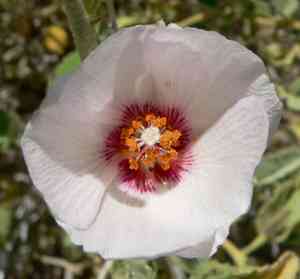
Paleface presents a distinct visual charm with its delicate blooms, often appearing in soft, muted tones. This plant is ideal for gardeners aiming to cultivate a tranquil and refined setting. Its slender, arching stems provide a subtle yet captivating structure to your garden, ensuring Paleface captures attention without overshadowing other flora. The gentle texture of its petals beautifully contrasts with greener, leafier plants, adding both visual and tactile variety to your garden's scenery.
Why Choose Paleface for Your Landscape?
Selecting Paleface for your outdoor space means opting for a plant that is both attractive and adaptable. Paleface thrives across diverse climates and soil types, making it a flexible option for many gardeners. Whether you're an experienced horticulturist or a beginner, Paleface is relatively simple to maintain, requiring minimal specialized care. Furthermore, it is known for its resistance to pests and diseases, which makes your gardening experience more pleasant and less demanding.
Seasonal Considerations for Planting Paleface
Planting Paleface at the appropriate time ensures robust and healthy growth. The best period for planting Paleface is during the cooler parts of the year, ideally in early spring or late autumn. This timing allows the plant to establish its root system before the extreme temperatures of summer or winter. In areas with mild climates, Paleface can be planted nearly year-round, but always ensure the soil drains well and isn't excessively wet to prevent root rot.
Design Ideas Incorporating Paleface
Creating Focal Points with Paleface
Paleface can serve as an impressive central feature in any garden design. Its striking flowers and graceful form naturally make it a centerpiece. Position Paleface in a prominent spot, such as the middle of a flower bed or at the end of a garden path, to draw the eye and create a visual anchor. For a dramatic effect, pair Paleface with complementary plants that enhance its color and shape, like low-growing evergreens or ornamental grasses.
Combining Paleface with Other Plants
When pairing Paleface with other plants, consider complementary colors and textures to achieve a harmonious and vibrant look. Combine Paleface with plants that have contrasting foliage, such as ferns or hostas, to highlight its delicate flowers. Additionally, incorporating plants with different blooming periods can ensure your garden remains colorful and engaging throughout the year. Perennials and annuals that flower at various times can create a continuously evolving landscape.
Border and Pathway Ideas with Paleface
Utilizing Paleface along borders and pathways is an excellent method to define areas and guide visitors through your garden. The plant's subtle beauty provides a soft, inviting edge without creating a visual barrier. For pathways, plant Paleface in a staggered or zigzag pattern to create a more natural and welcoming flow. Pair it with low ground covers or mulch to achieve a neat and well-kept appearance.
Maintenance Tips for Paleface in Landscapes
Watering and Feeding Paleface
To keep Paleface thriving, consistent watering is essential, especially during dry periods. Water deeply and moderately, allowing the soil to dry out between irrigation sessions to prevent overwatering. Fertilizing Paleface with a balanced nutrient solution during its active growth phase will ensure it receives all necessary elements for vigorous development. Organic compost or a slow-release fertilizer can be particularly beneficial for sustained nourishment.
Pruning and Care for Healthier Growth
Pruning Paleface not only helps maintain its form but also encourages more robust and healthier growth. Remove any dead or damaged branches to keep the plant looking neat. Pruning should be carried out in late winter or early spring before new growth emerges. Regularly inspect for any signs of pest infestations or diseases, and take prompt action if any issues are detected to keep your Paleface flourishing.
Seasonal Upkeep for Paleface
Seasonal maintenance is crucial for preserving the beauty and health of Paleface. In autumn, clear away fallen leaves and debris from around the plant to prevent mold and mildew. During the winter months, ensure Paleface is protected from frost by using mulch or a protective covering. Spring is the ideal time to divide and transplant any overgrown sections, ensuring Paleface has ample space to grow and thrive.
Benefits of Using Paleface in Your Outdoor Space
Enhancing Biodiversity with Paleface
Paleface plays a significant role in boosting your garden's biodiversity. Its flowers attract pollinators like bees, butterflies, and other beneficial insects. This not only supports the local ecosystem but also promotes the overall health and productivity of your garden. By choosing Paleface, you contribute to a flourishing, balanced environment that sustains a variety of wildlife.
Aesthetic Benefits and Improved Air Quality
The aesthetic appeal of Paleface is undeniable, bringing a touch of elegance and tranquility to your garden area. Beyond its visual advantages, Paleface also contributes to better air quality by absorbing pollutants and releasing oxygen. This dual function makes Paleface a smart choice for gardeners looking to enhance both the beauty and health of their outdoor spaces.
Boosting Property Value through Thoughtful Landscaping
A carefully designed garden featuring Paleface can significantly increase your property's worth. Prospective buyers often appreciate well-maintained, visually appealing outdoor areas, making your home more attractive on the market. Investing in quality plants like Paleface not only improves your living environment but also serves as a wise financial decision.



