How to Prune Paleface?
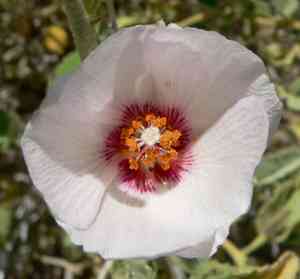
Recognized for its vivid flowers and hardiness, paleface thrives when given appropriate attention. Perform trimming in early spring or late winter to foster robust development and blossoming. Cut away any deceased or impaired branches, thin out crowded areas to enhance light penetration and airflow, and sculpt to your preference. Trimming not only preserves its appearance but also stimulates strong growth and flower yield. Refrain from severe pruning; gentle, consistent snips are better for paleface's peak condition.
What Are the Benefits of Pruning Paleface?
What Are the Benefits of Pruning Paleface?
Trimming paleface encourages robust development and maintains its form, ensuring a compact, visually appealing structure. This practice promotes revitalization and healthier, more vigorous plants.
What Is the Best Time for Pruning Paleface?
What Is the Best Time for Pruning Paleface?
The ideal periods, late winter and early spring, coincide with paleface's dormant phase, which typically ends just before the start of its new growth cycle. Pruning in late winter allows for the removal of dead or damaged branches, facilitating rejuvenation without harming new growth or blooms that appear later in spring. This timing also fosters healthier and more energetic development during the growing season, as paleface can direct its energy to new growth after the removal of unnecessary or old plant material. In early spring, light pruning helps paleface retain its shape and vitality while still allowing time for recovery before its active growth phase. This period also enables gardeners to assess and address winter damage. Furthermore, pruning before the growth spurt means wounds heal faster, reducing the likelihood of disease introduction and minimizing stress on paleface. Adhering to these specific seasons optimizes the health and aesthetic value of paleface, encouraging enhanced flowering and structure.
What Tools Do I Need to Prune Paleface?
Hand Pruners
Ideal for making precise cuts on the small, woody stems of paleface without harming the plant.
Pruning Saw
Useful for thicker branches that hand pruners cannot manage, ensuring accurate cuts on paleface without tearing the bark.
Loppers
Effective for reaching into dense growth and cutting through medium-sized stems too thick for hand pruners.
Gardening Gloves
Hand protection when working with paleface, which may have thorny branches or sticky sap.
Pruning Shears
Perfect for shaping and controlling the size of paleface, allowing for easy snipping of soft stems.
Garden Scissors
Helpful for detailed work on paleface, such as deadheading or thinning, to encourage healthy growth and blooming.
How to Prune Paleface
Sterilize
Before trimming paleface, sanitize pruning tools with a solution of one part bleach to nine parts water to prevent disease spread.
Remove Diseased
Identify and carefully remove any diseased leaves and branches from paleface, cutting at a 45-degree angle just above a leaf node or branch junction.
Eliminate Dead
Cut away withered leaves and dead branches to promote healthy growth and improve air circulation around paleface. Make cuts close to the base of the dead material without damaging healthy tissue.
Thin Out
Thin out dense areas of paleface by selectively removing branches, especially those that are crossing or rubbing against each other to decrease the risk of disease and pests.
Clean Up
After trimming paleface, dispose of all removed material away from healthy plants to prevent any potential spread of disease.
Common Pruning Mistakes with Paleface
Overpruning
Removing too much foliage at once can stress paleface, leading to stunted growth or reduced flowering. It is a common error to cut back more than one-third of the plant's overall mass in one pruning session.
Underpruning
Failing to remove enough dead or diseased wood can leave paleface susceptible to pests and diseases and can also limit air circulation, which is vital for its health and growth.
Improper Cutting Technique
Making blunt or jagged cuts on paleface can damage stems and create entry points for disease. Cutting too close to the bud or leaving too large a stub is also detrimental.
Pruning During Peak Growth
Pruning paleface when it's experiencing rapid growth can hamper its development and flower production. Although timing is not to be discussed, it's important to avoid pruning at incorrect growth phases.
Neglecting Tool Maintenance
Using dull or dirty pruning tools can introduce pathogens to paleface or result in imprecise cuts that harm the plant's structure.
Common Pruning Tips for Paleface
Selective Pruning
Focus on selectively removing dead, diseased, or weak branches from paleface to improve plant vigor and aesthetics. This targeted approach encourages healthier growth patterns.
Promote Airflow And Light
Thin out dense areas to ensure good air circulation and light penetration through the canopy of paleface. This can lead to a stronger, more resilient plant with better blooms.
Maintain Natural Shape
Prune paleface to maintain its natural shape, rather than forcing it into an artificial form. This takes advantage of the plant's innate growing tendencies for optimal health and appearance.
Use Sharp Clean Tools
Always use sharp, clean pruning tools when working on paleface to make clean cuts that heal quickly and reduce the risk of disease transmission.
Cut At An Angle
Make angled cuts just above a bud or branching point to promote proper water runoff and discourage disease in paleface. The cut should slant away from the bud, preventing water from collecting and causing rot.



