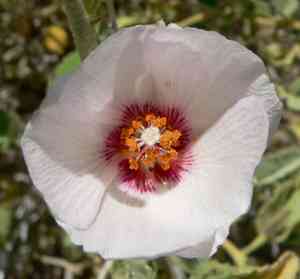
Paleface (Hibiscus denudatus)
Also known as: Desert hibiscus
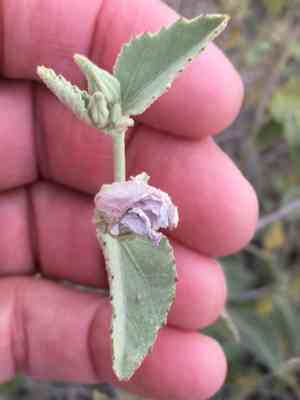
Paleface (Hibiscus denudatus), commonly referred to as Rock Hibiscus, is a perennial shrub characterized by its upright, somewhat untidy branches and small, fuzzy, gray-green leaves. Native to the deserts of the southwestern United States and northern Mexico, this plant produces delicate, cup-shaped flowers that range from white to pale pink, typically featuring a maroon spot at their base. Blooming mainly in the spring, the shrub is well-adapted to arid conditions, often shedding its leaves during periods of drought. It thrives in sandy or rocky soils and requires minimal water, making it an excellent choice for xeriscaping and desert gardens.
In This Article
Attributes of Paleface
Lifespan
Perennial
Plant Type
Shrub
Plant Height
50 cm to 1 m
Spread
30 cm
Leaf Color
Grey-green
Flower Size
2.5 cm to 5 cm
Flower Color
White Pink Purple
Images of Paleface
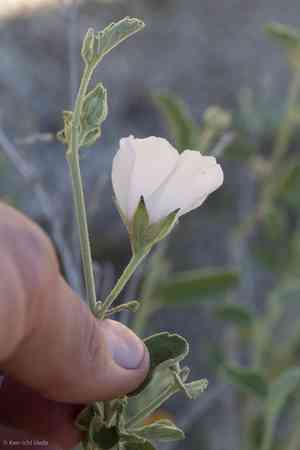
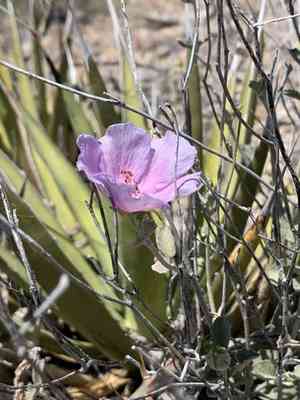
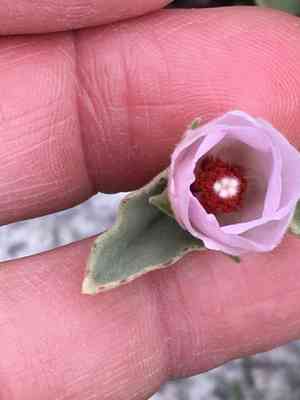
Quickly Identify Paleface
1
Hibiscus denudatus can be identified by its small stature, typically between 2 to 6 feet in height, and its grey-green, lobed leaves. The plant displays light lavender to white flowers with prominent stamens.
Scientific Classification of Paleface
Phylum
Vascular plants
Class
Dicotyledons
Order
Malvales
Family
Mallow
Genus
Hibiscus
Species
Paleface
Planting and Growing of Paleface
Care Difficulty
Easy
Watering Schedule
Every 3 days
Sunlight Requirements
Full sun
Sunshine Duration
4-8 hours
Ideal Temperature
60-80℉
Soil Type
Potting Mix, Peat Mix
Soil pH
6.5-7.5
Fertilizer Type
Balanced
Pruning Season
Spring, Summer
Pruning Area
Branches, Leaves
Pruning Frequency
2 times a year
Repotting Season
Spring
Pot Type
Plastic, Ceramic
 How to Water Paleface?
Hibiscus denudatus requires careful watering, ensuring the soil is moist but not waterlogged. Aim to provide 500 ml of water each time, allowing it to soak into the soil completely. It's important to ensure the soil is well-draining to prevent root rot.
What are the symptoms of an underwatered Paleface?
›
What should I do if my Paleface is not getting enough water?
›
What are the symptoms of an overwatered Paleface?
›
How to save an overwatered Paleface?
›
 What Are the Sunlight Requirements for Paleface?
Hibiscus denudatus thrives in full sun conditions, allowing it to fully harness the benefits of bright, direct light. This promotes vigorous growth and maximizes bloom potential.
More About Sunlight Requirements Techniques→
What kind of light does Hibiscus denudatus prefer?
›
How can I ensure ideal lighting for Hibiscus denudatus?
›
What benefits does Hibiscus denudatus gain from ideal lighting?
›
 What Is the Ideal Temperature Range for Paleface?
Ideal temperatures for Hibiscus denudatus range from 60°F to 80°F. This range allows the plant to thrive, encouraging robust growth and vibrant flowering. Within this spectrum, the plant engages in optimal photosynthesis and metabolic activity, which are crucial for its health and development.
 What Soil is Best for Paleface?
Hibiscus denudatus thrives best in well-drained soils that prevent water retention around the roots. Well-drained soil helps avert root rot and promotes healthy growth by allowing nutrients to reach the plant more efficiently. This species benefits from a nutrient-rich medium, supporting robust growth and vibrant blooms. Ensuring a nutritional balance enhances photosynthesis and fortifies the plant's resistance against diseases and pests. While Hibiscus denudatus appreciates some fertility, it does not require overly rich soils. Moderate fertility prevents excessive vegetative growth, promoting a balanced development between foliage and flowers.
 How to Fertilize Paleface?
Hibiscus denudatus should ideally be fertilized with a balanced fertilizer at half of the recommended strength. During the growing season, a formulation such as 10-10-10 can be used, though it's crucial to avoid over-fertilizing. A general rule of thumb is 1 tablespoon per gallon when using liquid fertilizers.
 How to Prune Paleface?
Use sharp pruning shears or scissors for precise cuts. Ensure tools are clean to prevent disease spread, giving attention to maintaining healthy plant structure during the process. Begin by cutting back dead or diseased branches. This improves overall plant health and reduces risk of infection while encouraging new growth from healthier branches. Trim the plant to maintain a symmetrical shape, cutting back overgrown or awkward branches. This enhances its aesthetic appearance and allows sunlight to reach inner leaves, boosting photosynthesis. Prune tips of branches to stimulate lateral growth. This technique helps to create a fuller, bushier plant while increasing flowering potential and preventing the plant from becoming top-heavy.
More About Pruning Techniques→
 How to Propagate Paleface plant?
1
Choose mature and dry seed pods from robust plants for sowing. Prepare the seeds by gently removing them from the pods, ensuring they are dry and clean before planting.
2
Identify healthy stems, ideally 4-6 inches long, just below a node. Use sharp shears to make a clean cut and remove any lower leaves, leaving a few at the top to support photosynthesis.
3
For seeds, plant them in seedling trays with well-draining soil and cover lightly. For cuttings, insert the prepared cuttings into potting mix, ensuring at least one node is below the soil surface.
 How to Repot Paleface plant?
1
Hibiscus denudatus requires repotting mainly when you notice roots coming out from the drainage holes or the growth becomes stunted due to cramped space. Early spring or summer is ideal, as the plant starts active growth, allowing it to settle well in its new pot.
2
Select a pot that is 1 to 2 inches larger in diameter than the current one. Ensure it has efficient drainage holes to prevent root rot. This helps provide the roots with extra space to grow and access nutrients, promoting a healthier plant.
3
Opt for a well-drained sandy soil mix, perhaps adding some organic matter or perlite to aid drainage. This combination prevents waterlogging, ensuring the roots have access to oxygen, which is critical to avoid diseases and promote vigorous growth.
Learn More About Paleface Diseases
Anthracnose
Bacterial Leaf Spot
Bacterial Wilt
Black Spot
Chemical Injury
Crown Gall
Damping-off
Downy Mildew
Drought Stress
Fusarium Wilt
Gray Mold
Leaf Curl
Leaf Spot
Mosaic
Nutrient Deficiency
Nutrient Toxicity
Powdery Mildew
Root Rot
Root-knot Nematode
Rusts
Sooty Mold
Spider Mites
Temperature Stress
Thrips Damage
White Mold



