How to Propagate Paleface?
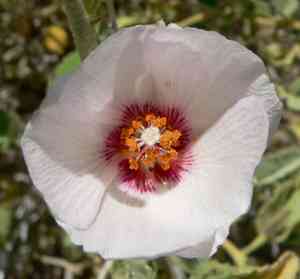
A member of a genus recognized for its vibrant blossoms, paleface is frequently multiplied via cuttings to preserve the parent specimen's advantageous characteristics. Select robust, non-blooming stems for improved propagation outcomes. Sever a 4-6 inch section and remove the foliage from the bottom half prior to embedding it in a well-aerated medium. Rooting stimulant can boost the likelihood of successful root development. Ensure the growing material remains damp, yet not saturated, and supply ample, diffused illumination to foster development.
Optimal Propagation Period for Paleface
Propagation Type
Cutting
Propagation Season
Autumn,Winter
Essential Tools for Paleface Propagation
Sharp Pruning Shears
Sharp pruning shears are vital for making clean cuts on paleface without harming the parent plant. A precise cut helps prevent disease and encourages quicker healing, which is key for successful rooting. Their sharpness ensures the delicate tissues of paleface are not crushed, preserving the plantâs health during propagation.
Rooting Hormone
Rooting hormone promotes root development in paleface cuttings. Applying it to the freshly cut stem encourages faster root formation and increases the likelihood of successful propagation. This is especially important as it helps overcome the initial lack of roots, a critical phase for water and nutrient absorption.
Sterile Potting Mix
A sterile potting mix is used to provide a safe and nutrient-rich growing medium for new paleface cuttings. It is free from pathogens, which is crucial for preventing diseases that can harm young plants. The mix also retains sufficient moisture without becoming waterlogged, facilitating the delicate balance needed for new root growth.
Propagation Tray
Propagation trays are utilized to hold paleface cuttings in organized rows and maintain proper spacing. This ensures each cutting has enough room to grow without competition, leading to uniform and healthy root development. Trays also help maintain consistent moisture and temperature, both vital for successful cutting propagation.
Misting Bottle
A misting bottle is essential for propagating paleface from cuttings. It offers a gentle method to keep the delicate new cuttings adequately hydrated. Regular misting helps maintain high humidity, which aids the cuttings in developing new roots, particularly in the early stages before roots form and become functional.
Propagating Paleface: A Guide
Propagation Type
Moderately Difficult
Post-Propagation Care for Paleface
How to Care for Your Newly Propagated Paleface?
Once roots have formed and new growth appears, gradually introduce paleface to less humid conditions by removing the plastic cover. Transplant them into larger pots or into the garden if the climate permits. Ensure paleface receives ample sunlight, consistent watering, and protection from extreme temperatures. Regularly inspect for pests and diseases, treating as needed to maintain vigorous growth.
Common Errors to Avoid When Propagating Paleface
Overwatering
While paleface thrives in moist conditions, excessive water can lead to root rot. Providing too much moisture, especially in poorly draining soil, compromises root health and reduces the chances of successful propagation.
Inadequate light
Paleface requires a good amount of sunlight. Failing to provide sufficient light can hinder growth and impede the development of healthy propagules, resulting in weak plants.
Using old or infested soil
Propagating paleface in soil that is not fresh or has been previously used for other plants can introduce pathogens and pests. This error can significantly reduce propagation success by damaging the young cuttings or seedlings.
Tips For Propagating Paleface
Use well-draining soil
Improve the rooting environment for paleface by using a light, well-draining soil mix. This prevents waterlogging and supports healthier root development.
Provide bright, indirect light
Ensure that paleface receives ample indirect sunlight. This is crucial for the plant's energy production, especially in the early stages of propagation.
Maintain moderate moisture
Keep the soil consistently moist but not waterlogged. Closely monitoring moisture levels helps establish a strong root system without risking root rot.



