How Much Sunlight Do Paleface Need?
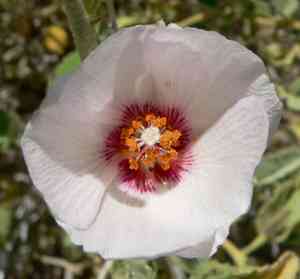
1
Paleface flourishes optimally with over 6 hours of direct solar exposure daily.
2
Observe for foliage discoloration, specifically yellowing, indicating inadequate light.
3
Employ a sunshade to shield Paleface from harsh midday solar rays.
Ideal Light Conditions for Paleface
What is the Optimal Amount of Light for Paleface?
Paleface is a heliophilic plant that thrives best with full sun exposure. This means it requires over six hours of direct sunlight daily. When cultivated in conditions mimicking its native environment, Paleface tends to produce more vibrant blooms and exhibit vigorous growth. If you are planting Paleface in your garden, select a location that receives abundant sunlight for most of the day.
Direct vs. Indirect Light for Paleface
While Paleface flourishes in direct sunlight, it can also endure partial sun, where it gets light for approximately 4-6 hours daily. However, the advantages of indirect sunlight should not be overlooked, particularly in regions where the sun can be excessively harsh. Positioning Paleface in a well-lit area that avoids intense midday sun can prevent potential scorching while still providing sufficient light for healthy development.
Impact of Insufficient Light on Paleface
Indicators of Inadequate Light
If Paleface does not receive enough sunlight, it will display clear signs of distress. The most prominent indicators include yellowing foliage, stunted growth, and reduced flowering. The plant may also begin to etiolate, with stems becoming elongated and fragile as it stretches for more light. Observing these signs can help you promptly adjust the plantâs position or lighting conditions.
How to Remedy Light Deficiency
To address a lack of sunlight, first consider relocating your Paleface to a brighter spot in your garden or home. If moving the plant is not feasible, you might employ artificial grow lights to supplement natural sunlight, especially during shorter winter days. Ensuring the plant receives at least 6 hours of bright, indirect light daily can significantly enhance its health and appearance.
Impact of Excessive Light on Paleface
Indicators of Too Much Light
Excessive sunlight can be just as harmful as too little. Signs that your Paleface is receiving too much sun include scorched or burnt leaf margins, leaf discoloration, and a wilted appearance despite consistent watering. These symptoms often occur when the plant is exposed to intense midday sun without any protection.
How to Safeguard Paleface from Sunburn
To shield your Paleface from excessive sunlight, especially during peak hours, consider utilizing a shade cloth or placing the plant where it receives morning sun but is protected from the harsh afternoon rays. Regularly inspect the plant for signs of stress and adjust as necessary to ensure it receives balanced light conditions. Watering early in the morning can also help the plant cope with high temperatures.
Seasonal Light Fluctuations and Paleface
Adjusting Paleface Care for Changing Seasons
As the seasons progress, so does the intensity and duration of sunlight. During the spring and summer months, ensure your Paleface receives ample sunlight by positioning it in a location that enjoys long daylight hours. In the fall and winter, the shorter days and weaker sunlight mean you might need to move the plant to a sunnier spot or use grow lights to supplement natural light.
Winter Care Advice for Paleface
In winter, Paleface may require additional attention to meet its light requirements. Place the plant near a south-facing window where it can capture maximum sunlight. If natural light is insufficient, consider using grow lights for extended periods. Reducing watering frequency and maintaining a stable indoor temperature will also help your Paleface endure the colder months while awaiting the return of longer, brighter days.



