How to Transplant Turnsole?
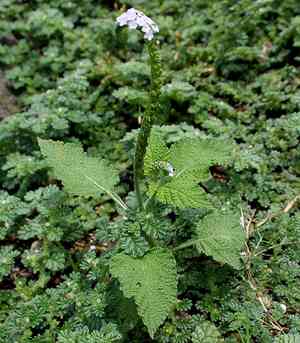
The ideal period for relocating turnsole extends from the onset of early spring through the arrival of late spring's warmth. Select a well-drained, sun-exposed location. Gradually introduce turnsole to external environments to avert transplant stress.
What Preparations are Needed Before Transplanting Turnsole?
What is the Ideal Time for Transplanting Turnsole?
The perfect moment to move turnsole is after winter's cold recedes and the gentle warmth of early to mid-spring emerges. Relocating them during this period capitalizes on mild temperatures and increasing daylight for vigorous development. Providing turnsole with this seasonal shift ensures a smooth transition, as the mild climate fosters root establishment without the stress of extreme weather. This guarantees a productive season ahead, setting the stage for a magnificent display of turnsole's allure.
How Much Space Should You Leave Between Turnsole Plants?
Greetings, gardening enthusiast! Before you start digging, ensure your turnsole has ample room to thrive. Spacing is crucial! Aim to position them approximately 12-18 inches (30-46 cm) apart. This will provide your turnsole sufficient area to absorb sunlight and expand freely.
What is the Best Soil Mix for Turnsole Transplanting?
For your turnsole's new home, select a location with well-draining soil. Consider enriching the ground with a balanced blend of compost or a general-purpose fertilizer prior to planting. A gentle incorporation into the rooting area will help your plants acquire the necessary nutrients from the outset.
Where Should You Relocate Your Turnsole?
Sunlight is your turnsole's greatest ally! Choose a bright spot where they can absorb at least 6 hours of direct sunlight daily. A pleasant, sunny bed will ensure your turnsole continues to happily orient its leaves towards the light, just as they prefer.
What Equipments Should You Prepare Before Transplantation Turnsole?
Gardening Gloves
To safeguard your hands while handling soil and plants.
Trowel
For excavating small holes and assisting in plant removal from its container.
Shovel or Spade
Essential for digging larger holes when relocating from the ground.
Watering Can or Hose
To hydrate the plant before and after relocation.
Pruning Shears
To trim any lifeless or damaged roots or foliage prior to transplanting.
Wheelbarrow or Plant Tray
To safely transport the turnsole to its new spot.
Garden Fork
To loosen the soil surrounding the plant in preparation for extraction.
Root Pruning Knife (optional)
To cut through dense root masses if required.
How Do You Remove Turnsole from the Soil?
How Do You Remove Turnsole from the Soil?
From Ground: Hydrate the turnsole plant to moisten the soil, facilitating easier removal. Use a shovel or spade to excavate a sufficient trench around the plant, taking care not to harm the root ball. Gently leverage the plant with the spade or garden fork to ease it out of the ground.From Pot: Begin by watering the soil in the pot to lessen root stress. Tilt the pot sideways and tap the base to loosen the root ball. Use your hands or a trowel to carefully extract the plant, supporting its stem and root ball firmly but gently.From Seedling Tray: Water the seedlings to simplify removal. Use a trowel or an appropriate tool to carefully lift the seedling, including its root mass, from the tray cell.
Step-by-Step Guide for Transplanting Turnsole
Prepare the New Site
Ensure the new location is ready for the turnsole, having been cleared of weeds and with a hole dug to accommodate the plant's root ball.
Root Inspection
Examine the turnsoleâs roots, trimming away any that are dead or damaged with pruning shears, and untangle any circling roots.
Positioning
Place the turnsole in the center of the new hole, ensuring it stands upright and at the same depth it was previously growing.
Fill the Hole
Gently backfill the hole with soil, being careful not to overly compact the soil, which can impede root growth.
Water Thoroughly
Immediately after planting, water the turnsole to settle the soil around the roots and help eliminate any air pockets.
Supports Installation
If necessary, install any stakes or supports to help the turnsole maintain its position and protect it from strong winds.
How Do You Care For Turnsole After Transplanting?
Regular Watering
Ensure consistent watering to maintain uniformly moist soil, allowing the turnsole to establish itself in its new spot.
Mulching
Apply a layer of mulch around the base to help the soil retain moisture, suppress weeds, and regulate soil temperature.
Monitoring
Keep a close watch on the plant for indications of stress, such as wilting or discolored leaves, and take appropriate action.
Staking
If the turnsole shows signs of leaning or being dislodged by wind, use stakes or supports to secure it.
Pruning
Trim any foliage that exhibits signs of damage or stress to encourage fresh growth.
Troubleshooting Common Issues with Turnsole Transplantation.
What's the best time to transplant turnsole seedlings?
Relocate turnsole seedlings during early to late spring when the soil warms up to promote growth.
How far apart should I space turnsole plants?
Aim for ample separation, ideally spacing turnsole plants 12-18 inches (30-46 cm) apart.
Why are my turnsole seedlings wilting after transplant?
Wilting may occur due to transplantation shock. Ensure careful handling and adequate watering to aid their recovery.
What kind of light conditions does turnsole need after transplant?
Position turnsole in a spot that receives full sun to partial shade to maintain healthy growth.
How do I know if my turnsole plants need more water?
If turnsole's soil feels dry to the touch or leaves appear droopy, it's time for moderate watering.
How deep should the hole be for transplanting turnsole?
Dig a hole deep enough so that turnsole's root ball sits level with the surrounding soil.
Can I use fertilizer right after transplanting turnsole?
It's advisable to wait until turnsole is established before fertilizing. Begin with a mild, balanced feed.
Is mulching beneficial for turnsole after transplanting?
Yes, mulching helps retain moisture and regulates soil temperature, fostering turnsole's healthy growth.
What to do if turnsole leaves turn yellow after transplanting?
Yellow leaves could indicate overwatering or poor drainage. Adjust watering and ensure good soil aeration.
How can I prevent transplant shock in turnsole?
Acclimate turnsole gradually to outdoor conditions and water thoroughly after transplanting to reduce shock.



