How to Prune Turnsole?
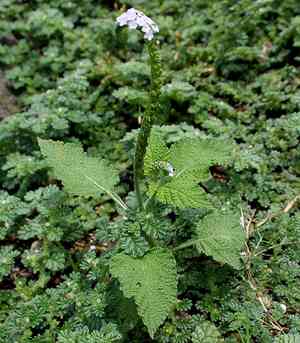
Hailing from tropical regions of Asia, turnsole exhibits bunches of aromatic blossoms, flourishing optimally under direct sunlight. Trim for form in early spring prior to the emergence of new shoots. Eliminate deceased or excessively long stems in summer and autumn to enhance airflow, paying special attention to the core section to deter illness. Strategic trimming, particularly the removal of spent flowers, stimulates further flowering. Nevertheless, consistently employ disinfected implements to avert contamination, thereby fostering a vigorous, bloom-filled presentation from this heliophilic plant.
What Are the Benefits of Pruning Turnsole?
What Are the Benefits of Pruning Turnsole?
Trimming turnsole promotes robust development by encouraging new shoots, resulting in a fuller, healthier plant. Regular cutting helps maintain an appealing form and size, making turnsole an excellent addition to any garden.
What Is the Best Time for Pruning Turnsole?
What Is the Best Time for Pruning Turnsole?
Pruning turnsole in Spring is beneficial as it can help stimulate new growth after the dormant winter period. Pruning at this time allows turnsole to focus its energy on producing fresh shoots and leaves, leading to a more vigorous plant. Waiting until after the last frost is crucial to prevent damage to new growth. Fall offers another suitable pruning opportunity for turnsole, as the plant begins its dormant phase. Removing spent blooms and dead or diseased branches can prevent decay from affecting the plant during winter, thus promoting its health and ensuring better growth in the coming spring. Summer can also be appropriate for light pruning to shape the plant or remove any diseased or dead material; however, heavy pruning should be avoided during extreme heat to prevent stress on turnsole.
What Tools Do I Need to Prune Turnsole?
Hand Pruners
For trimming or shaping turnsole, hand pruners are ideal as they allow for precise cuts and can easily snip through stems. Choose bypass pruners over anvil types, as bypass pruners provide a cleaner cut, which is important for turnsole's health.
Garden Scissors
Turnsole may have smaller, delicate shoots that require more controlled cutting. Garden scissors are perfect for snipping thin stems or deadheading with minimal damage to surrounding foliage.
Pruning Saw
If turnsole has become severely overgrown or if there are any woody stems or branches, a pruning saw will be necessary. Its serrated blade can cut through thicker stems that hand pruners cannot handle.
Loppers
For hard-to-reach areas or thicker stems within turnsole, loppers can provide the extra reach and leverage needed. Ensure the loppers have sharp blades to make clean cuts without harming turnsole.
How to Prune Turnsole
Clean Tools
Before pruning turnsole, sterilize your pruning tools with a solution of 1 part bleach to 9 parts water to prevent the spread of disease.
Identify
Inspect turnsole closely to identify withered leaves, which are typically discolored, dry, or limp, unlike healthy green foliage.
Snip
Using sharp scissors or pruning shears, carefully cut the withered leaves at their base where they meet the stem or main branch, taking care not to harm healthy parts.
Dispose
Remove the snipped withered leaves from the area to prevent pests or diseases from using them as a breeding ground.
Inspect Complete
After removing withered leaves, conduct a final inspection to ensure no unhealthy leaves remain on turnsole and that the plant maintains good shape and structure.
Common Pruning Mistakes with Turnsole
Over-Pruning
Removing too much foliage can stress turnsole, leading to poor growth and reduced flowering. Aim to remove no more than one-third of the overall growth in a single session.
Sharpness Of Tools
Using dull pruning tools can cause jagged cuts that are susceptible to disease. Always use sharp, clean shears to make clean cuts.
Improper Cut Placement
Cutting too close to the main stem or too far from it can harm turnsole. Ideal cuts should be made at a 45-degree angle just above a leaf node or branching point.
Removing Too Much Old Wood
Turnsole can be sensitive to heavy removal of old wood. Retain some mature stems to provide stability and energy for the plant.
Ignoring Diseased Material
Failing to remove diseased or damaged material can lead to further infection. Prune away affected areas promptly to maintain turnsole's health.
Common Pruning Tips for Turnsole
Timing Is Essential
Prune turnsole immediately after flowering to encourage new growth and future blooms without the stress of untimely pruning.
Selective Pruning
Target leggy or overgrown areas, and thin out dense sections to improve air circulation and light penetration, vital for turnsole's well-being.
Encouraging Shape
Encourage a desired shape and fuller growth by selectively shortening longer stems, ensuring that turnsole remains aesthetically pleasing and healthy.
Supporting Rejuvenation
Promote rejuvenation by selectively cutting back older stems, stimulating new growth and ensuring turnsole's vigorous performance.
Cleanliness Matters
Keep pruning tools clean to minimize the risk of spreading disease. Disinfect shears with a solution of bleach and water before and after tending to turnsole.



