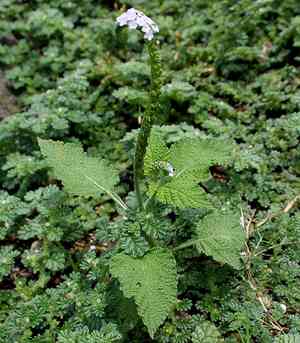
Turnsole (Heliotropium indicum)
Also known as: Eye Bright, White Cleary, Scorpion Bush, Scorpion tail
Chinese Wisteria (*Wisteria sinensis*) is native to Asia and produces striking cascades of purple or lavender flowers with five petals each. While admired for its beauty, it has spread to many tropical and subtropical areas, where it is frequently regarded as an invasive species.
In This Article
Attributes of Turnsole
Lifespan
Annual
Plant Type
Herb
Plant Height
15 cm to 50 cm
Spread
40 cm
Leaf Color
Green
Flower Size
1-2 mm
Flower Color
White Purple Green Blue
Images of Turnsole
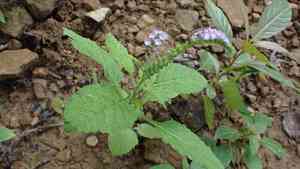
Quickly Identify Turnsole
1
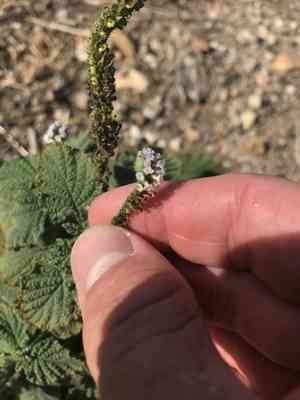
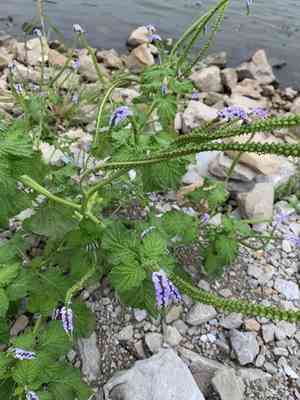
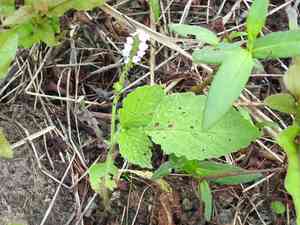
This plant can be identified by its spirally arranged flowers that transition from pink to white, its rough hairs covering its leaves and stems, and its characteristic coiled flowering stalks.
Scientific Classification of Turnsole
Phylum
Vascular plants
Class
Dicotyledons
Order
Boraginales
Family
Heliotropiaceae
Genus
Heliotropes
Species
Turnsole
Planting and Growing of Turnsole
Care Difficulty
Easy
Watering Schedule
Every 3 days
Sunlight Requirements
Full sun
Sunshine Duration
6-10 hours
Ideal Temperature
75-85℉
Soil Type
Potting Mix, Peat Mix
Soil pH
6.5-7.5
Fertilizer Type
Balanced
Pruning Season
Spring, Summer
Pruning Area
Branches, Leaves
Pruning Frequency
2 times a year
Repotting Season
Spring
Pot Type
Ceramic, Plastic
 How to Water Turnsole?
Heliotropium indicum, commonly known as Indian heliotrope, requires precise watering. The soil needs to be kept consistently moist but not waterlogged. About 200 ml of water should be applied, typically when the top centimeter of soil feels dry to the touch. This ensures adequate moisture while preventing root rot.
What are the symptoms of an underwatered Turnsole?
›
What should I do if my Turnsole is not getting enough water?
›
What are the symptoms of an overwatered Turnsole?
›
How to save an overwatered Turnsole?
›
 What Are the Sunlight Requirements for Turnsole?
Heliotropium indicum prefers full to partial sunlight, thriving best with 6-8 hours of light per day. This exposure supports vibrant blooming and robust growth, essential for optimal health.
More About Sunlight Requirements Techniques→
How much light does Heliotropium indicum need?
›
What are solutions to achieve ideal lighting?
›
What benefits does ideal lighting provide?
›
 What Is the Ideal Temperature Range for Turnsole?
The Heliotropium indicum thrives best in a warm climate with temperatures ranging from 75°F to 85°F. This range maintains optimal growth and flowering conditions, ensuring the plant’s physiological processes are carried out efficiently. Temperatures within this range allow for better absorption of nutrients and adequate photosynthesis.
 What Soil is Best for Turnsole?
Heliotropium indicum thrives in soil that offers good drainage. Ensuring well-draining soils prevents waterlogging, a condition detrimental to its roots. This promotes healthy root growth and aids in nutrient uptake, giving the plant a robust form. Rich, fertile soils are beneficial for Heliotropium indicum's growth cycle. The presence of organic matter enhances aeration and microbial activity, both essential for breaking down nutrients into absorbable forms, thus supporting vigorous growth and vibrant foliage. While this species can tolerate brief dry spells, consistent moisture without saturation is critical. Maintaining balanced moisture levels supports cellular processes such as photosynthesis and nutrient transportation, crucial for sustained growth.
 How to Fertilize Turnsole?
When fertilizing Heliotropium indicum, it's important not to overdo it. For liquid fertilizers, use about 1/4 to 1/2 strength of the recommended dose for houseplants. When using slow-release granular fertilizers, apply 1 tablespoon per plant lightly mixed into the soil.
 How to Prune Turnsole?
Begin by identifying and removing old, discolored, or diseased leaves and stems. This will help improve air circulation and sunlight penetration, promoting healthier new growth. Prune to shape the Heliotropium indicum by cutting back any ungainly limbs or branches that are growing out of the desired shape. Aim for a compact, bushy shape for the best aesthetic appearance. Trim back the tips of each branch slightly to stimulate denser new growth, making your plant appear fuller and more vibrant.
More About Pruning Techniques→
 How to Propagate Turnsole plant?
1
Collect the seeds from mature Heliotropium indicum plants. Ensure that they are completely dry. Store them in a cool, dry place until you are ready to sow.
2
Fill the seed tray with sterile potting mix. Ensure that the mix is well-drained and has been lightly moistened before sowing the seeds.
3
Sow the seeds of Heliotropium indicum evenly on the surface of the potting mix. Lightly cover them with a thin layer of soil. Water gently to moisten without disturbing the seeds.
 How to Repot Turnsole plant?
1
Heliotropium indicum should be repotted when you notice its roots are crowding the current container. Other signs include overly rapid drying of soil and stunted growth. Optimal times for repotting are in early Spring or late Summer when the plant is not in active bloom.
2
Select a pot that is one size larger than the current container and has drainage holes. The right size ensures ample space for root growth, preventing root bound conditions. Drainage holes are crucial for preventing water logging, which can cause root rot, a common issue in indoor plants.
3
Use a well-draining loamy mix enriched with organic matter. This type of soil provides essential nutrients while ensuring adequate drainage, which helps prevent root rot. The loamy mix retains just enough moisture without compacting, supporting the plant's healthy growth.
Toxicity
Ingestion
WARNING
The judgment on toxicity and danger is for reference only. We DO NOT GUARANTEE any accuracy of such judgment. Therefore, you SHALL NOT rely on such judgment. It is IMPORTANT TO SEEK PROFESSIONAL ADVICE in advance when necessary.



