Enhancing Your Garden Design with the Turnsole Plant: A Landscaping Guide
1
Turnsole is celebrated for its aesthetic charm and can greatly improve any garden's appearance.
2
Thoughtful positioning of Turnsole can optimize its effect, considering light and shade.
3
Turnsole flourishes when planted alongside compatible species that enhance its hues and forms.
Introducing Turnsole for Landscape Use
Overview of Turnsole and its visual appeal
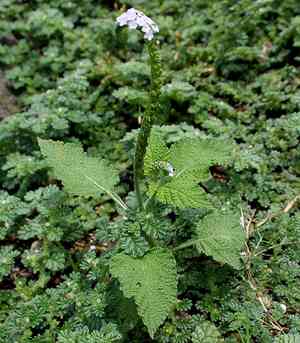
Turnsole is a remarkable plant recognized for its striking appearance and beauty. With a generous cluster of small, vibrant flowers, it captures attention in any garden setting. Its lush green foliage provides an ideal backdrop, making the flowers stand out even more. Whether your goal is a lively, vibrant garden or a calm, relaxing space, Turnsole can effortlessly adapt and enhance your design. The visual charm of Turnsole lies not only in its blooms but also in its ability to cover and transform otherwise uninteresting garden areas into zones of opulent beauty.
The importance of selecting appropriate plants for landscape design
Choosing the correct plants for your landscape design is vital for creating a unified and attractive garden. Turnsole is an excellent option due to its adaptability and aesthetic qualities. Proper plant selection can bring balance, harmony, and a sense of completeness to your garden. When thoughtfully integrated, Turnsole can become the central element that connects various parts of your outdoor space. It's crucial to consider color schemes, plant sizes, and seasonal variations when planning your landscape. Opting for plants like Turnsole that offer lasting beauty can make upkeep simpler and more rewarding.
Optimal Placement for Turnsole
Identifying strategic locations for planting Turnsole
The placement of Turnsole in your garden is crucial for it to reach its full potential. It thrives in well-drained soil and areas with ample sunlight. Ideal spots include garden borders, pathways, or even as a standalone feature in a central location. The aim is to position Turnsole where its beauty can be admired with minimal obstruction. Additionally, consider its height and spread to ensure it doesn't overshadow other plants. Strategic placement not only improves appearance but also ensures healthy growth.
How sunlight and shading affect Turnsole
Sunlight and shading significantly impact Turnsole's health and vibrancy. It flourishes in full sun to partial shade, performing best with at least six hours of daily sunlight. While it can tolerate some shade, optimal flower production occurs in sunnier spots. Adequate sunlight exposure ensures vigorous growth and blooming, whereas too much shade might lead to fewer flowers and a less robust plant. Monitoring sunlight and making necessary adjustments can keep Turnsole thriving throughout its growing season.
Companion Plants for Turnsole
Selecting companion plants that enhance Turnsole's aesthetics
Choosing the right companion plants for Turnsole can amplify its beauty and create a balanced landscape. Plants with contrasting colors, such as deep purples or bright yellows, can make Turnsole's blooms stand out even more. Consider incorporating grasses or foliage plants that add different textures to the garden. These companions not only enhance the visual impact but can also support Turnsole's growth by creating a suitable micro-environment.
Color and texture considerations in plant pairings
When pairing Turnsole with other plants, pay attention to color and texture dynamics. Combining plants with diverse leaf shapes and textures can create a more engaging and visually appealing garden. For instance, pairing Turnsole's smooth leaves and small flowers with plants that have larger, more rugged foliage can create an interesting contrast. Similarly, coordinating colors that complement each other can make the entire garden pop. The right combinations can transform a simple garden into a sophisticated landscape.
Caring for Turnsole in Your Landscape
Basic tips for keeping Turnsole thriving in your garden
Maintaining Turnsole requires some fundamental but simple care practices. Ensure it receives adequate water, especially during dry periods, but avoid waterlogging the soil. Regularly check for pests and diseases and treat them promptly to keep Turnsole healthy. Pruning dead or damaged parts of the plant encourages new growth and keeps it looking tidy. Mulching around the base can help retain moisture and suppress weeds, providing a conducive environment for Turnsole to flourish.
Seasonal adjustments for optimal growth
Adapting your care routines to the changing seasons ensures that Turnsole gets what it needs throughout the year. In spring and summer, focus on regular watering and feeding to support blooming. As fall approaches, reduce watering to prevent root rot and prepare the plant for dormancy. In colder climates, consider mulching heavily or using protective covers to shield Turnsole from frost. Understanding these seasonal needs helps in maintaining its health and vitality year-round.
Design Concepts Using Turnsole
Incorporating Turnsole in modern garden designs
In modern garden designs, Turnsole can be used to add a splash of color and texture. Its vibrant flowers and elegant form make it suitable for minimalist gardens where each plant needs to make a statement. Plant Turnsole in sleek containers or raised beds to create a clean, contemporary look. Mixing it with ornamental grasses or sculptural plants can add height and interest, enhancing the overall design. Its adaptability means it can complement both structured and informal garden settings.
Creating focal points with Turnsole in traditional landscapes
Turnsole shines in traditional garden landscapes, where it can serve as a focal point. Plant it in clusters for a bold statement or use it to frame pathways and entryways. Its charming blooms can also be a centerpiece in flower beds, surrounded by a variety of seasonal flowers. Turnsole blends seamlessly with classic garden elements like wooden trellises or stone borders, creating an inviting and cohesive space. Its versatility ensures that it enhances the traditional garden aesthetic while adding its unique charm.



