How Much Sunlight Do Turnsole Need?
1
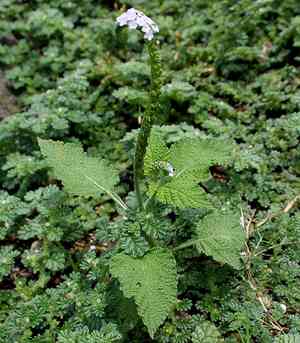
Turnsole flourishes optimally in bright, direct sunlight, requiring over six hours of direct sun exposure each day.
2
Insufficient light will hinder Turnsole's ability to develop its attractive flowers.
3
Should your Turnsole appear stretched or exhibit yellow foliage, it could indicate a need for increased light exposure.
The Role of Sunlight for Turnsole
Photosynthesis Process
Photosynthesis is the method by which plants, including Turnsole, transform light energy into chemical energy. This is how they produce their sustenance. Sufficient sunlight ensures this process is effective, leading to healthier and more vibrant plants. Without adequate light, photosynthesis slows, and the plant may become weak and more prone to illness.
Growth and Development
Sunlight plays a vital part in the overall growth and development of Turnsole. The energy from sunlight is utilized not only for photosynthesis but also for cell division and expansion. This allows the plant to grow taller, spread its foliage, and generally develop a robust structure. Insufficient sunlight can hinder its growth, causing the plant to become leggy and less vigorous.
Flowering and Bloom
Turnsole is recognized for its beautiful flowers that add color to any garden. Sunlight is crucial for the blooming process. The plant uses solar energy to create the sugars needed for flower development. Without enough sunlight, the flowering process is impeded, resulting in fewer or no blooms, which can be disappointing if you desire a colorful garden.
Optimal Sunlight Conditions for Turnsole
Direct vs. Indirect Light
Turnsole thrives in direct sunlight, meaning it should be positioned where it receives unobstructed sun exposure for most of the day. While the plant can endure some indirect light, full sun placement is ideal. This exposure ensures the plant gets the maximum energy it needs to flourish. However, in very hot climates, some afternoon shade might be beneficial to prevent scorching.
Ideal Sunlight Duration
For optimal health, Turnsole requires over 6 hours of direct sunlight daily. This aligns with what is commonly known as 'full sun'. Ensuring your Turnsole receives this amount of light will support all its essential functions, from growth to flowering. If natural sunlight is inadequate, you may need to supplement with artificial light.
Signs Your Turnsole Needs More or Less Sunlight
Indicators of Insufficient Light
If your Turnsole isnât receiving enough sunlight, youâll likely observe several clear signs. The plant may become elongated, meaning it stretches out and appears sparse. Leaves could also turn yellow and drop prematurely. Another sign is reduced or absent flowering, as the plant prioritizes survival over blooming when energy is scarce.
Indicators of Excessive Light
Too much sunlight can also be harmful to Turnsole. If you notice the leaves turning brown or becoming crispy, it may indicate sunburn. Other signs include wilting during the hottest parts of the day, even if the soil is adequately watered. In extreme cases, the plant might stop growing and appear stressed.
How to Adjust Sunlight Exposure for Turnsole
Using Shade Cloths or Netting
If your Turnsole is getting too much sun, especially during peak afternoon hours, you can use shade cloths or netting to filter the sunlight. This can significantly reduce the intensity and protect your plant from scorching. Simply drape the cloth over a framework to create a partial shade environment.
Relocating the Plant
Sometimes the best solution is to move your Turnsole to a different spot. If it's not getting enough light, consider placing it where it can receive morning or afternoon sun. Similarly, if itâs suffering from too much light, relocate it to an area where it will get some shade during the hottest part of the day.
Indoor Lighting Solutions
For indoor Turnsole plants, you might need to use artificial lighting to supplement natural light. Full-spectrum LED lights are an excellent option as they closely mimic natural sunlight. Position the lights about 6-12 inches (15-30 cm) above the plant and keep them on for about 12-14 hours a day to ensure the plant gets enough light.



