How to Transplant Tree-heliotrope?
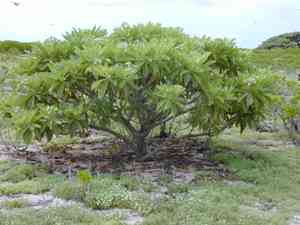
The optimal time for relocating tree-heliotrope spans from the onset of early spring through the peak of late spring, or alternatively, from the quiet of early winter to the moderate warmth of mid-spring. Select a site bathed in sunlight with soil that drains effectively. Careful manipulation is crucial during the transfer of tree-heliotrope to guarantee its successful integration.
What Preparations are Needed Before Transplanting Tree-heliotrope?
What is the Ideal Time for Transplanting Tree-heliotrope?
The optimal period for relocating tree-heliotrope spans from late winter to mid-spring. This timeframe offers moderate temperatures and sufficient moisture, vital for root establishment without the harsh extremes of summer heat or winter cold. Moving your tree-heliotrope during this interval allows the plant to settle and expand its root system, ensuring vigorous growth once warmer weather arrives. Utilizing this natural growth cycle minimizes stress for tree-heliotrope, providing it with the best possible start in its new location. Select a day when the soil is workable and not overly wet or frozen for optimal outcomes.
How Much Space Should You Leave Between Tree-heliotrope Plants?
Greetings! Before moving your lovely tree-heliotrope to its new spot, let's discuss the necessary spacing. Aim for a comfortable distance of approximately 18-24 inches (45-60 cm) between plants. This will allow your tree-heliotrope's roots ample room to spread without feeling overly confined.
What is the Best Soil Mix for Tree-heliotrope Transplanting?
For your tree-heliotrope, the ground beneath is crucial. Choose a location with well-draining soil, rich in organic matter. Prior to planting, incorporate a gentle, slow-release fertilizer to give your tree-heliotrope a nutritional head start. Consider it preparing a comfortable bed with fresh linens!
Where Should You Relocate Your Tree-heliotrope?
Sunlight is as essential to tree-heliotrope as love is to existence. Find a bright spot where your plant can enjoy at least 6 hours of daily sunlight. Keep in mind, some afternoon shade won't be detrimental, especially in hotter climates. It's all about discovering that perfect sunny location!
What Equipments Should You Prepare Before Transplantation Tree-heliotrope?
Gardening Gloves
To safeguard your hands while handling soil and plants.
Shovel or Spade
For digging around and extracting the plant from its current position.
Watering Can or Hose
To hydrate the plant before and after its relocation.
Measuring Tape
To ensure accurate planting depth and spacing.
Wheelbarrow or Garden Cart
For transporting the plant and soil.
Pruning Shears
To trim any damaged roots or excessive foliage.
How Do You Remove Tree-heliotrope from the Soil?
How Do You Remove Tree-heliotrope from the Soil?
From Ground: Water the plant to moisten the soil. Then, use a shovel or spade to dig a wide circle around the tree-heliotrope, encompassing its root ball. Pry the spade underneath to lift the plant, keeping as much of the root system intact as possible.From Pot: Gently tap the sides and bottom of the pot to loosen the soil. Tilt the pot sideways and carefully slide the tree-heliotrope out, supporting the root ball.From Seedling Tray: Dampen the tray to facilitate removal. Use a small spade or your fingers to lift the tree-heliotrope plantlet, taking care not to harm the roots.
Step-by-Step Guide for Transplanting Tree-heliotrope
Digging the Hole
Excavate a hole that is twice the width and the same depth as the tree-heliotrope's root ball.
Inspecting the Roots
Carefully remove any ties around the roots and trim any damaged ones.
Placing the Plant
Lower the tree-heliotrope into the hole, positioning it upright so the top of the root ball is level with the soil surface.
Backfilling
Refill the hole with soil, gently firming it down without compacting, to eliminate any air pockets around the roots.
Watering in
Thoroughly water the plant after planting to settle the soil and provide moisture to the roots.
Staking (if necessary)
If the plant is large or the location is windy, install stakes or supports to keep the tree-heliotrope stable.
How Do You Care For Tree-heliotrope After Transplanting?
Mulching
Apply a layer of organic mulch around the base of the tree-heliotrope to help retain moisture and suppress weed growth.
Monitoring
Observe the tree-heliotrope for signs of stress, such as wilting or discolored leaves, and address issues as needed.
Staking
Adjust any stakes or supports as the plant grows to ensure it remains secure and upright.
Pruning
Remove any dead or damaged branches to encourage healthy development.
Troubleshooting Common Issues with Tree-heliotrope Transplantation.
What's the best timing for transplanting tree-heliotrope?
Relocate tree-heliotrope in early to late spring or from early winter to mid-spring when temperatures are mild.
How far apart should I space tree-heliotrope during transplanting?
Allow for 18-24 inches (45-60 cm) between each tree-heliotrope to ensure adequate room for growth.
What to do if tree-heliotrope's leaves wilt after transplanting?
Ensure tree-heliotrope receives sufficient water post-transplant and is shielded from excessive sun until it establishes.
What type of soil is ideal for transplanting tree-heliotrope?
Provide tree-heliotrope with well-draining soil rich in organic matter for optimal transplanting outcomes.
How deep should the hole be for transplanting tree-heliotrope?
Dig a hole as deep as the root ball and twice as wide to accommodate tree-heliotrope's roots.
Why is my tree-heliotrope not thriving after transplant?
Check for adequate sunlight, water, and if the roots were properly spread during planting.
Can I transplant tree-heliotrope when it's flowering?
It's best to transplant tree-heliotrope when it's not flowering to minimize stress and promote root establishment.
What should I do if tree-heliotrope has transplant shock?
Reduce stress with consistent watering and shade, avoid fertilizers until tree-heliotrope recovers.
How often should I water tree-heliotrope after transplanting?
Water tree-heliotrope regularly to keep the soil consistently moist, but not waterlogged.
When can I feed tree-heliotrope after transplanting?
Wait for tree-heliotrope to show signs of new growth before applying a balanced, slow-release fertilizer.



