How to Propagate Tree-heliotrope?
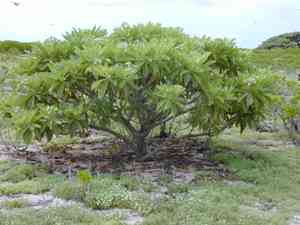
Distinguished by its bunches of aromatic, white or light blue blossoms and expansive silver foliage, tree-heliotrope thrives in temperate environments and permeable substrates. A proven technique for its reproduction involves taking cuttings, for which a robust, non-blooming branch ought to be chosen. Sever a 4â6 inch segment, remove the bottom leaves, and embed it in a damp, well-draining medium. Confirm the cutting remains warm with diffused sunlight. Rooting stimulant can boost the outcome, though it's not mandatory. After roots have formed, relocate the nascent tree-heliotrope, making certain it has sufficient room for development.
Optimal Period for Tree-heliotrope Propagation
Propagation Method
Cutting
Propagation Season
Autumn,Winter
Tools Required for Tree-heliotrope Propagation
Sharp Pruning Shears
Precise pruning shears are vital for taking tree-heliotrope cuttings. These tools enable clean, accurate cuts, which are key for the successful healing and rooting of cuttings. A clean cut minimizes infection risk and damage to the parent plant, encouraging quicker recovery and healthier growth.
Rooting Hormone
Rooting hormone is applied to the cut end of the cutting to encourage root development and improve the likelihood of successful propagation. This aid is especially beneficial for tree-heliotrope, as it can help overcome challenges in root formation, leading to a more dependable propagation success rate.
Sterile Potting Mix
A sterile potting mix offers a clean, nutrient-rich environment for new roots to form. It's crucial for preventing soil-borne diseases, which could harm the delicate new roots of tree-heliotrope. The mix should drain well yet retain moisture to meet the needs of new cuttings.
Propagation Tray
A propagation tray is utilized to arrange and maintain suitable environmental conditions for tree-heliotrope cuttings. It assists in sustaining adequate humidity and temperature, critical elements in the successful rooting and initial growth phases of cuttings.
Plastic Domes or Covers
Plastic domes or covers can be placed over the propagation tray to create a miniature greenhouse effect. This tool is essential for maintaining high humidity around tree-heliotrope cuttings, which helps prevent dehydration before roots establish.
How to Propagate Tree-heliotrope?
Propagation Type
Moderately Difficult
Caring for Your Newly Propagated Tree-heliotrope
Caring for Your Newly Propagated Tree-heliotrope?
Once tree-heliotrope cuttings have developed roots, typically indicated by new growth, gradually introduce them to normal conditions by removing the plastic cover over a week. Afterward, transfer the cuttings into individual pots with potting mix and water regularly to keep the soil moist but not waterlogged. Provide tree-heliotrope with bright, indirect light and shield from extreme temperatures. Fertilization should commence after the first month of growth to support healthy development.
Common Mistakes to Avoid When Propagating Tree-heliotrope
Over-watering
Propagating tree-heliotrope demands careful attention to moisture levels. Excessive watering can lead to root rot and fungal infections, hindering growth and potentially killing young plants.
Neglecting light requirements
Tree-heliotrope thrives in full sun to partial shade. Insufficient light can result in weak, elongated growth, reducing the chances of successful propagation.
Using poor soil mix
The choice of soil is vital for tree-heliotrope. A poorly draining soil mix can cause waterlogging, while a too-light mix might not provide enough nutrients or water retention.
Ignoring humidity
Tree-heliotrope cuttings require high humidity levels during the rooting phase. Disregarding this can lead to dehydration and failure to root.
Planting cuttings too deep
Inserting tree-heliotrope cuttings too deeply into the soil can cause the stem to rot before roots have a chance to develop.
Tips For Propagating Tree-heliotrope
Use well-draining soil
Employ a soil mixture that drains effectively yet retains sufficient moisture to support the rooting of tree-heliotrope.
Moderate watering
Maintain a balanced watering schedule, keeping the soil consistently moist but not saturated to encourage healthy root development without decay.
Provide adequate light
Ensure tree-heliotrope receives ample indirect light to promote vigorous growth without the risk of sunburn during the delicate rooting stage.
Maintain humidity
Utilize a humidity dome or cover cuttings with a plastic bag to create a humid microclimate favorable for rooting tree-heliotrope.
Proper cutting depth
Plant cuttings shallowly, with only the bottom third of the stem inserted into the soil, allowing enough of the cutting to perform photosynthesis and root effectively.



