Enhancing Your Garden Design with the Tree-heliotrope Plant: A Landscaping Guide
1
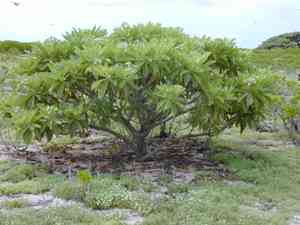
A Tree-heliotrope adds an exotic flair to your garden with its abundant leaves and distinct charm.
2
Proper seasonal planting of Tree-heliotrope guarantees strong development and lasting health.
3
Pairing Tree-heliotrope with suitable companions contributes to a harmonious and visually appealing garden design.
Introducing Tree-heliotrope in Garden Design
Appreciating the visual impact of Tree-heliotrope
The immediate impression of Tree-heliotrope is its striking presence, which can enhance the beauty of any garden or outdoor layout. Its abundant green foliage and distinct form make it a captivating element, whether planted alone as a focal point or used to complement other garden features. The visual appeal of Tree-heliotrope lies in its capacity to bring a sense of calm and natural charm to your outdoor areas.
Brief overview of Tree-heliotrope characteristics
Tree-heliotrope is recognized for its hardiness and versatility, making it suitable for various climates. It typically features medium to large leaves, which create a robust and lush appearance in your garden. With a natural tolerance to different soil types, Tree-heliotrope can flourish in both sandy and loamy conditions. Its moderate watering requirements and ability to endure periods of drought make it a practical choice for many gardeners.
Integrating Tree-heliotrope into Various Landscaping Styles
Pairing Tree-heliotrope with contemporary landscaping designs
For modern landscapes, Tree-heliotrope offers clean lines and a structured form that aligns well with contemporary elements. Its green foliage can provide a stark, refreshing contrast against hardscapes like concrete, steel, and glass. Incorporating Tree-heliotrope into minimalist geometrical layouts or alongside modernistic sculptures can help create a balanced, visually appealing space.
How Tree-heliotrope complements traditional garden layouts
In traditional gardens, Tree-heliotrope adds a touch of natural elegance. Its classic form and lush greenery blend seamlessly with flowering plants, shrubs, and decorative features typical of more conventional designs. Tree-heliotrope works beautifully as part of a layered planting scheme, where it can provide background structure or contrast with colorful blooms and delicate foliage plants.
Utilizing Tree-heliotrope in minimalist landscapes
When it comes to minimalist landscapes, less is often more, and Tree-heliotrope fits perfectly within this aesthetic. Its simple yet striking presence means it can be used sparingly but effectively. Try planting Tree-heliotrope in strategic locations where its form will stand out, such as near water features or as part of a serene rock garden. Its understated elegance helps maintain the tranquility and simplicity that minimalist designs are known for.
Seasonal Considerations for Tree-heliotrope in Your Garden
Optimal planting times for Tree-heliotrope
The best time to plant Tree-heliotrope is during the spring or fall when temperatures are moderate and the plant can establish itself without the stress of extreme heat or cold. Early spring planting gives Tree-heliotrope plenty of time to grow and develop strong roots before the summer, while fall planting takes advantage of cooler temperatures and seasonal rainfall to support healthy establishment.
Seasonal care tips for optimal growth and aesthetics
Taking proper care of Tree-heliotrope throughout the seasons ensures it remains a vibrant part of your landscape. In the spring, provide ample water as it starts to grow actively. During the summer, ensure consistent watering, especially during dry spells, and consider mulching to retain soil moisture. In the fall, prune any dead or damaged branches and add a slow-release fertilizer to support the plantâs health. Winter care generally involves protecting young plants from frost and wind damage by providing cover or relocating pots to a more sheltered spot.
Design Tips: Integrating Tree-heliotrope with Other Plant Species
Complementary plants that enhance Tree-heliotrope's beauty
To maximize the beauty of Tree-heliotrope, consider pairing it with plants that complement its foliage and structure. Colorful flowering plants, like lavender or marigolds, can add a pop of color that contrasts with Tree-heliotropeâs green leaves. Ornamental grasses and ferns can create a textured backdrop, enhancing the overall visual interest of your garden. Always choose plants with similar water and sunlight requirements to ensure harmonious growth.
Avoiding common planting mistakes
One of the most common planting mistakes is not considering the mature size of the plant, which can lead to overcrowding and competition for resources. Give Tree-heliotrope ample space to grow and spread. Another mistake is overwatering; while Tree-heliotrope needs consistent moisture, excessive watering can lead to root rot. Finally, neglecting seasonal care can hinder your plantâs growth and aesthetics. Regular pruning, fertilizing, and protective measures are key to maintaining a healthy Tree-heliotrope.
Maintaining Tree-heliotrope: Long-Term Landscape Planning
Practical steps for sustaining the health of Tree-heliotrope
To sustain the health of Tree-heliotrope, focus on regular maintenance tasks like watering, feeding, and pruning. Watering should be done consistently but not excessively, ensuring the soil remains moist but well-drained. Use a balanced fertilizer during the growing season and prune periodically to remove any dead or damaged branches, which promotes better air circulation and health. Monitoring for pests and diseases regularly will also help to maintain the plantâs vitality.
Future-proofing your landscape with Tree-heliotrope
Future-proofing your landscape involves planning for the longevity and adaptability of your plants. With Tree-heliotrope, choosing an appropriate location where it has room to grow and won't be overshadowed by larger plants is crucial. Incorporating low-maintenance ground covers around Tree-heliotrope can reduce the need for weeding and help retain soil moisture. Consider installing irrigation systems to ensure timely watering and selecting disease-resistant plant varieties to reduce potential issues. Sustainable practices like composting and organic mulching can also support the long-term health of your landscape.



