How to Prune Tree-heliotrope?
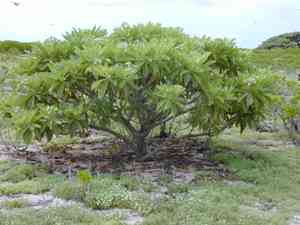
This evergreen shrub, resilient to saline conditions, thrives particularly well on sandy coastlines. For tree-heliotrope, trimming is essential to preserve its form and eliminate any compromised branches. The most suitable period for this task is winter, while the plant is dormant, as this reduces strain and reserves energy for its spring development. Pruning improves air movement, deters ailments, and fosters a sturdy framework. Ensure your tools are disinfected to avert contamination. Accurate cuts made just above leaf nodes stimulate vigorous new growth, thereby sustaining the appealing outline of tree-heliotrope.
What Are the Benefits of Pruning Tree-heliotrope?
What Are the Benefits of Pruning Tree-heliotrope?
Trimming tree-heliotrope promotes robust development by reallocating energy to its most productive areas, ensuring a compact form and a well-kept shape that is visually appealing and structurally sound.
What Is the Best Time for Pruning Tree-heliotrope?
What Is the Best Time for Pruning Tree-heliotrope?
Trimming tree-heliotrope during the winter season aligns with its dormant phase, when growth processes decelerate. This timing allows the plant to dedicate resources to healing and recovering from the cuts. Winter pruning minimizes sap loss, which is crucial for tree-heliotrope, as it conserves energy for the upcoming growing season. Furthermore, the absence of leaves at this time provides better visibility of the plant's structure, simplifying the identification and removal of any diseased or damaged branches. This practice supports the health and vitality of tree-heliotrope, enhancing flowering and growth performance in the spring and summer.
What Tools Do I Need to Prune Tree-heliotrope?
Hand pruners
Suitable for making precise cuts on small branches and twigs of tree-heliotrope. This tool is ideal for selectively removing damaged or diseased plant tissue because tree-heliotrope has relatively slender branches.
Loppers
Perfect for cutting through thicker branches that hand pruners cannot handle. Given the potential size of tree-heliotrope, which can develop into a small tree, loppers will be essential for managing larger limbs effectively.
How to Prune Tree-heliotrope
Cleantools
Before trimming tree-heliotrope, ensure all tools are sanitized and sharp to prevent disease transmission and achieve clean cuts.
Inspect
Carefully examine tree-heliotrope to identify any dead or diseased branches that need to be removed for the plant's well-being.
Cutdeadbranches
Remove dead branches at their base where they meet healthy wood, using an angled cut to facilitate water runoff and prevent decay.
Cutdiseasedbranches
Eliminate diseased branches by cutting several inches into healthy tissue to ensure all infected material is gone.
Disinfect
After removing dead or diseased wood, sanitize pruning tools to prevent the spread of pathogens to other parts of tree-heliotrope or to other plants.
Common Pruning Mistakes with Tree-heliotrope
Over Pruning
Removing too much foliage at once can stress tree-heliotrope and impede its growth. It's crucial not to remove more than one-third of the plant's volume during a single pruning session.
Cutting Too Close
Cutting branches and stems too near the main trunk can harm tree-heliotrope's cambium, the layer responsible for new cell development. This may lead to disease or rot.
Leaving Stubs
Leaving long stubs when cutting branches can hinder proper healing and may attract pests and diseases to tree-heliotrope.
Improper Tool Use
Tree-heliotrope should be trimmed with sharp, clean tools to avoid tearing or crushing the stems, which can lead to disease.
Ignoring Dead Material
Failing to regularly remove dead or diseased material can negatively impact tree-heliotrope's overall health and vigor, as these can harbor pests and diseases.
Uneven Pruning
Trimming tree-heliotrope unevenly can result in an unbalanced shape and may negatively affect its structural integrity.
Common Pruning Tips for Tree-heliotrope
Hygiene
Always use sterilized pruning tools on tree-heliotrope to prevent the spread of diseases.
Angled Cuts
Make clean, angled cuts just above a leaf node or branching point to encourage proper healing and new growth.
Crossing Branches
Regularly remove crossing or rubbing branches to maintain good air circulation through tree-heliotrope's canopy, which reduces the risk of fungal diseases.
Thinning
Thin out tree-heliotrope's canopy to allow light to penetrate to the lower leaves, which promotes even growth and flowering.
Height Control
To control height and encourage bushiness, pinch out the growing tips of tree-heliotrope, especially in its younger stages.
Regenerative Pruning
If tree-heliotrope has become leggy or overgrown, perform regenerative pruning by cutting back to a lower set of leaves or buds to rejuvenate the plant.



