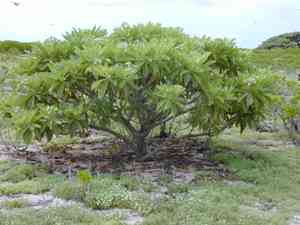
Tree-heliotrope (Heliotropium foertherianum)
Also known as: Tree heliotrope, Octopus bush
Tree-heliotrope (Heliotropium foertherianum) is a hardy tropical tree that thrives in coastal conditions, tolerating both saline soil and strong winds. The wood is versatile and is commonly used in creating handicrafts, tools, and even goggle frames. However, in certain regions, it has faced overharvesting due to its use as firewood.
Attributes of Tree-heliotrope
Images of Tree-heliotrope
Quickly Identify Tree-heliotrope
Scientific Classification of Tree-heliotrope
Planting and Growing of Tree-heliotrope
 How to Water Tree-heliotrope?
 What Are the Sunlight Requirements for Tree-heliotrope?
 What Is the Ideal Temperature Range for Tree-heliotrope?
 What Soil is Best for Tree-heliotrope?
 How to Fertilize Tree-heliotrope?
 How to Prune Tree-heliotrope?
 How to Propagate Tree-heliotrope plant?
 How to Repot Tree-heliotrope plant?
Toxicity of Tree-heliotrope
Is Tree-heliotrope toxic to humans?
Tree-heliotrope is characterized by a notable level of toxicity to humans, mainly through the act of ingestion. The entire plant contains pyrrolizidine alkaloids, which are detrimental compounds capable of inducing poisoning. When consumed, these alkaloids can inflict significant liver damage and may manifest in symptoms such as abdominal discomfort, vomiting, and even liver failure. The symptomatology can be particularly intricate, with affected individuals potentially suffering from jaundice, ascites, and hepatic encephalopathy, highlighting the severe ramifications on liver function. Given that all parts of the tree-heliotrope are toxic, it is crucial to exercise caution to avoid accidental ingestion, particularly since no component of this plant is suitable for human consumption.
Is Tree-heliotrope toxic to cat?
The tree-heliotrope exhibits moderate toxicity and may present a risk to the health of cats. Felines can accidentally consume various parts of the tree-heliotrope, resulting in poisoning from the pyrrolizidine alkaloids it contains. The whole plant is toxic, and ingestion may lead to signs of physical distress. To protect your cat's health, it is vital to restrict their access to tree-heliotrope. Should ingestion occur, prompt veterinary assistance is critical to address the consequences and secure the most favorable outcome for the affected feline.
Is Tree-heliotrope toxic to dog?
Tree-heliotrope presents a moderate risk of toxicity for dogs. When dogs accidentally consume any part of this plant, whether out of curiosity or by chance, they risk being poisoned. The entire plant is considered toxic, indicating that ingestion of any portion can result in harmful health effects. Dogs that have ingested tree-heliotrope may show symptoms such as liver injury, lethargy, jaundice, abdominal discomfort, and decreased appetite as a result of pyrrolizidine alkaloids. It is vital for dog owners to keep a vigilant watch over their pets and restrict their access to tree-heliotrope. If poisoning is suspected, prompt veterinary attention is crucial to effectively manage the symptoms and optimize the chances of recovery.



