The Tree-heliotrope Plant Advantage: Maximizing Home and Office Appeal and Wellness
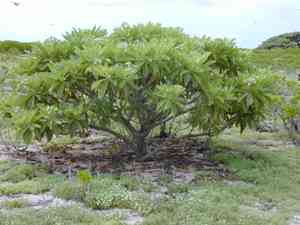
1
Tree-heliotrope is well-known for its germ-fighting qualities, serving as a natural treatment for ailments.
2
This flora aids in stabilizing shoreline environments thanks to its robust root network.
3
The foliage of Tree-heliotrope can be utilized as an organic bug deterrent.
How Does Tree-heliotrope Benefit Coastal Environments?
Coastal Stability
Tree-heliotrope plays a crucial role in maintaining the integrity of shoreline ecosystems. Its extensive root system helps prevent soil erosion by binding the earth. This not only protects coastlines but also supports marine life dependent on the nearshore habitat.
Increased Biodiversity
Coastal regions where Tree-heliotrope is planted often experience a rise in species diversity. Its dense foliage offers refuge for various bird species and small animals, fostering a thriving micro-ecosystem. Furthermore, by providing sustenance and shelter, Tree-heliotrope aids in conserving local wildlife, thus contributing to a balanced and healthy ecosystem.
What Are the Medicinal Applications of Tree-heliotrope?
Antimicrobial Properties
One of the most acclaimed advantages of Tree-heliotrope is its inherent antibacterial qualities. Various parts of the plant, especially the leaves, are known to contain compounds capable of combating bacterial infections. Traditional healers have long utilized these properties to treat injuries, cuts, and other minor ailments.
Anti-inflammatory Effects
Tree-heliotrope is also recognized for its anti-inflammatory benefits. Extracts from its leaves can help reduce swelling and ease discomfort caused by conditions like arthritis or muscle strain. This makes it a valuable natural remedy for those seeking non-pharmaceutical methods to manage inflammation and pain.
How Is Tree-heliotrope Utilized in Traditional Practices?
Natural Insect Repellent
In many cultures, Tree-heliotrope leaves have been employed as a natural insect deterrent. The scent emitted by crushed leaves repels mosquitoes and other pests, offering an eco-friendly alternative to chemical repellents. This is particularly useful in tropical areas where insect-borne diseases are common.
Healing Compresses
For generations, Tree-heliotrope leaves have been used to create healing poultices. When applied to wounds or skin irritations, these compresses can accelerate the healing process and prevent infections, highlighting the plant's long-standing role in traditional medicine.
Environmental and Practical Uses of Tree-heliotrope
Natural Soil Enrichment
Tree-heliotrope can also serve as a natural fertilizer. As its leaves decompose, they enrich the soil with vital nutrients, promoting healthier plant growth. This sustainable practice is especially beneficial for organic farming and gardening.
Crafting and Cultural Importance
Beyond its practical applications, Tree-heliotrope holds cultural significance in various communities. Its robust wood is often used in crafting traditional items such as tools, carvings, and musical instruments. This not only preserves cultural heritage but also emphasizes the plant's versatility.



