The Hidden Danger in Your Home? Unmasking the Toxicity of the Tree-heliotrope Plant.
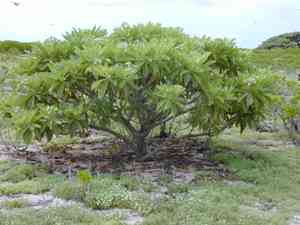
1
Tree-heliotrope possesses pyrrolizidine alkaloids, poisonous substances capable of inducing significant liver harm and hepatic failure upon consumption.
2
Every part of the tree-heliotrope plant is poisonous to people, felines, and canines, requiring prompt veterinary attention if consumed.
3
Symptoms of tree-heliotrope poisoning encompass stomach discomfort, yellowing of the skin, sluggishness, and a diminished desire to eat, resulting from liver impairment.
Is Tree-heliotrope toxic to humans?
Tree-heliotrope exhibits a moderate degree of toxicity to humans, mainly through consumption. The whole plant contains pyrrolizidine alkaloids, which are detrimental compounds capable of causing poisoning. Upon ingestion, these alkaloids can inflict severe liver damage and may manifest as symptoms like stomach pain, nausea, and liver malfunction. The symptoms can be quite specific, with individuals possibly experiencing yellowing of the skin, fluid accumulation in the abdomen, and brain dysfunction due to liver failure, indicating the grave impact on liver function. Since all components of tree-heliotrope are toxic, prudence is recommended to avert unintentional ingestion, particularly as no part of the plant is suitable for eating.
Is Tree-heliotrope toxic to cat?
Tree-heliotrope has a moderate toxicity level and presents a potential danger to feline well-being. Cats might accidentally consume portions of tree-heliotrope, resulting in poisoning because of the pyrrolizidine alkaloids present. The entire plant is dangerous, and ingestion can lead to signs of physical distress. To protect your cat's health, it's vital to restrict access to tree-heliotrope. Should ingestion occur, prompt veterinary attention is critical to manage the effects and ensure the most favorable outcome for the affected cat.
Is Tree-heliotrope toxic to dog?
Tree-heliotrope presents a moderate toxicity hazard to canines. When dogs ingest parts of this plant, whether by accident or curiosity, they can suffer poisoning. The entire plant is poisonous, meaning that consuming any portion can lead to negative health consequences. Dogs that have ingested tree-heliotrope might display symptoms such as liver impairment, sluggishness, yellowing of the skin, stomach discomfort, and reduced appetite due to the presence of pyrrolizidine alkaloids. It is imperative for dog owners to supervise their pets closely and prevent access to tree-heliotrope. If poisoning is suspected, immediate veterinary intervention is crucial to manage the symptoms effectively and offer the best chance for recuperation.



