How to Transplant Giant orchid?
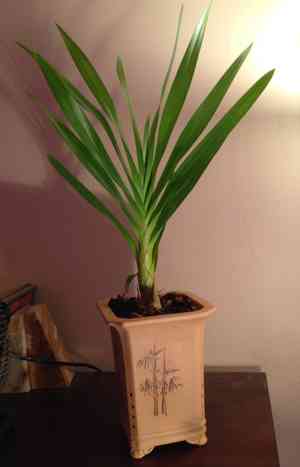
The optimal period for relocating giant orchid is during springtime, as elevated temperatures foster root development. Choose a location offering ample, diffused illumination and sufficient room for its impressive size. High humidity and sturdy anchoring will promote vigorous growth following the move.
What Preparations are Needed Before Transplanting Giant Orchid?
What is the Ideal Time for Transplanting Giant Orchid?
The period of rejuvenation, as nature begins to stir, is optimal for relocating giant orchid. Why? It allows giant orchid to settle in mild temperatures, benefiting from the forthcoming growth cycle. Selecting this timeframe ensures giant orchid's roots are established prior to the strain of intense summer heat or winter dormancy. Embrace this moment for a smooth transition and a vigorous beginning. It's a perfect blend of gentle weather and prime growing conditions, enabling giant orchid to thrive and fully root in its new location.
How Much Space Should You Leave Between Giant Orchid Plants?
When moving giant orchid, ensure each plant is positioned at least 1-2 feet (30-60 cm) apart. This provides ample room for development and prevents overcrowding, which can negatively impact plant health.
What is the Best Soil Mix for Giant Orchid Transplanting?
For giant orchid, utilize a potting mixture that drains well, such as a blend of bark, perlite, and peat moss. Before transplanting, incorporate a foundational fertilizer to aid with initial nutritional needs. Your local garden center can recommend the best brands for orchids.
Where Should You Relocate Your Giant Orchid?
Your giant orchid thrives in light and warmth but prefers indirect sunlight. Consider a spot where it receives filtered sunlight throughout the day rather than direct, intense sun. East or west-facing areas are typically suitable for orchids.
What Equipments Should You Prepare Before Transplantation Giant Orchid?
Gardening Gloves
To protect your hands from scrapes, dirt, and irritants.
Shovel or Spade
For excavating holes in the ground and extracting the plant from its original spot.
Trowel
Useful for digging smaller holes and removing minor plants.
Pruning Shears
To trim any damaged roots or foliage prior to transplanting.
Bucket or Wheelbarrow
This will assist in transporting the giant orchid from its initial location to its new site.
Watering Can
To hydrate your plant before and after the transplant.
Mulch
This can help maintain soil moisture after transplantation.
Stake and Soft String
If your giant orchid is already quite tall, you might need these to help it remain upright after transplanting.
How Do You Remove Giant Orchid from the Soil?
How Do You Remove Giant Orchid from the Soil?
From Ground: Water your giant orchid a day before transplanting to make the soil easier to manage. Dig a wide trench around the plant using a shovel or spade, being careful not to harm the roots. Gently lift the root ball with the shovel.From Pot: If your giant orchid is in a container, water it thoroughly a day before transplanting. Carefully tip the pot on its side and gently slide the plant out. It should come out easily if well-watered. If not, run a trowel around the pot's edge to loosen it.From Seedling Tray: For seedlings, water them well. Using a trowel or your gloved hand, carefully scoop out the seedling along with its roots and a small amount of surrounding soil. Always handle the seedling by its leaves and never by its stem or roots.
Step-by-Step Guide for Transplanting Giant Orchid
Plant Removal
Carefully extract your giant orchid from its original spot as described above. Ensure you retain most of its roots and attached soil.
Preparing New Location
Dig a hole in the new location that is twice the width and depth of the root ball. Incorporate some compost into the excavated soil if needed.
Transplanting
Gently place the giant orchid in the hole, making sure the top of the root ball is level with the surrounding soil. Backfill the hole with soil, gently firming it around the plant's base.
Staking (if necessary)
If your giant orchid is tall, insert a stake next to it and tie with a soft string to provide support.
Watering and Mulching
Water the plant thoroughly and then add mulch around the base to help the soil retain moisture.
How Do You Care For Giant Orchid After Transplanting?
Watering
Maintain consistently moist soil for the initial few weeks to help your giant orchid establish in its new location. Reduce watering as the plant begins to show new growth.
Pruning
Trim any dead or dying leaves that appear after transplanting; this will help the plant focus its energy on new growth.
Monitoring
Keep a close watch on your giant orchid for any indications of stress, such as wilting, yellowing, or leaf drop, and contact a local nursery or extension service if you require advice on addressing such issues.
Troubleshooting Common Issues with Giant Orchid Transplantation.
When is the best time of year to transplant giant orchid?
The optimal period for transplanting giant orchid is during seasons S1-S3, which provides the plant ample time to establish before harsh weather conditions.
What spacing should I maintain while transplanting giant orchid?
Giant orchid requires sufficient room to grow. Maintain a distance of approximately 1-2 feet (30.5-61 cm) between each plant during transplantation.
How should I prepare the pot before transplanting giant orchid?
Ensure the pot has adequate drainage holes to prevent waterlogging. Add a layer of coarse grit at the pot's bottom, then fill with well-drained compost.
What size pot is ideal for transplanting giant orchid?
Giant orchid grows large, so you'll need a sturdy pot 12-16 inches (30-40 cm) in diameter. This space is ideal for the root system to spread out.
Could the giant orchid wilt after I transplant it?
Yes, giant orchid may initially struggle post-transplant. It should recover within a few weeks. If not, check water, light, and soil conditions and adjust accordingly.
How deep should I plant giant orchid when transplanting?
Plant giant orchid so that the top of the rootball is level with the soil surface. This helps roots settle easier, preventing the plant from sinking or rising.
Is any special post-care required after transplanting giant orchid?
Giant orchid thrives in bright, indirect light and high humidity. Keep soil moist but not waterlogged. Some leaf drop post-transplant is normal, donât panic if this happens.
What should I do if the leaves of my transplanted giant orchid turn yellow?
Yellow leaves could indicate overwatering or insufficient light. Adjust watering schedules, increase light levels slightly, and if possible, improve air circulation around giant orchid.
How do I avoid root damage while transplanting giant orchid?
Avoid forcing giant orchid out of the old pot. Try to gently loosen the roots for minimal damage. If roots are entangled, itâs acceptable to cut a few to free them.
Can I use standard garden soil for transplanting giant orchid?
Giant orchid prefers well-drained, humus-rich soil. Standard garden soil might not drain adequately. You could improve it by adding compost, grit, or perlite for better results.



