Enhancing Your Garden Design with the Giant orchid Plant: A Landscaping Guide
1
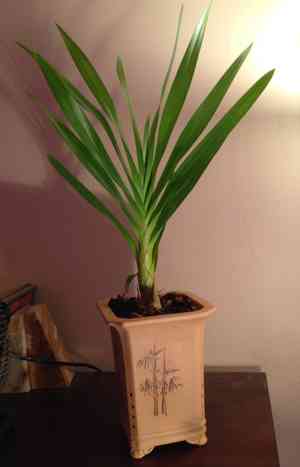
Grammatophyllum speciosum is additionally referred to as the Tiger orchid.
2
It offers both visual appeal and environmental advantages to your outdoor space.
3
Selecting the appropriate site is vital for the Giant orchid's well-being and appearance.
Introducing Giant Orchid in Landscape Design
Exploring the distinct characteristics of Giant Orchid
For landscape design, Giant Orchid stands out due to its unique attributes. Renowned for its grandeur and striking appearance, Giant Orchid is not only the largest orchid species but also showcases vibrant blossoms that can add an exotic flair to any garden. Its impressive size and cascading floral displays make it a focal point, offering visual interest and sparking conversations among garden enthusiasts. Grasping these unique aspects helps one appreciate why Giant Orchid is a cherished addition to landscapes globally.
Advantages of incorporating Giant Orchid into your garden
Adding Giant Orchid to your garden offers numerous benefits beyond its stunning aesthetics. Firstly, it can serve as a centerpiece, attracting attention and imparting a lush, tropical feel to your outdoor area. Additionally, Giant Orchid can flourish in various climates, making it a versatile option for many gardeners. Its robust nature and minimal upkeep requirements make it an excellent choice for those desiring a beautiful garden feature without the intensive care some plants demand. Moreover, utilizing Giant Orchid in your landscaping can boost biodiversity, thereby fostering a healthier garden ecosystem.
Designing Your Garden with Giant Orchid
Selecting the ideal placement for Giant Orchid
Choosing the optimal spot for Giant Orchid in your garden is vital for its health and visual impact. Giant Orchid thrives in areas receiving partial shade, mimicking its natural tropical environments. It's crucial to provide an environment that shields it from direct sunlight during the hottest parts of the day to prevent leaf scorch. Furthermore, ensure the chosen location has good air circulation to minimize the risk of fungal infections. Whether planted near a water feature, in a shaded corner, or as a standalone piece, proper placement will enhance its beauty and longevity.
Companion plants for Giant Orchid
To create a harmonious and visually appealing garden, consider pairing Giant Orchid with plants that complement its unique features. Ferns, for instance, are excellent companions due to their similar shade preferences and lush, green foliage that can enhance Giant Orchid's dramatic flowers. Additionally, tropical plants like hibiscus or bird of paradise can add a vibrant contrast and a cohesive look to your garden theme. When selecting companion plants, consider their water and light needs to ensure all species thrive together, creating a balanced and symbiotic garden environment.
Maintaining Aesthetic Appeal with Giant Orchid
Seasonal considerations for Giant Orchid
Maintaining the aesthetic appeal of Giant Orchid throughout the seasons requires some foresight. During the active growth period, consistent watering and feeding will support its development and flowering. As temperatures decrease, it's essential to shield Giant Orchid from cold snaps, as it is not frost-tolerant. Bringing potted specimens indoors or providing outdoor protection can help prevent damage. Pruning spent flowers and dead leaves not only keeps Giant Orchid looking its best but also encourages new growth. Attending to these seasonal needs ensures that Giant Orchid remains a striking feature in your garden year-round.
Brief tips for ongoing care
To keep Giant Orchid in prime condition, follow these straightforward tips: Water it regularly but avoid overwatering, as this can lead to root rot. Apply a balanced fertilizer during the growing season to promote healthy growth and blooms. Ensure adequate air circulation around the plant to prevent fungal issues. Lastly, monitor for pests such as aphids or scale, and treat promptly if detected to maintain the plant's health and appearance.
The Influence of Giant Orchid on Local Ecosystems
Understanding the ecological advantages
Giant Orchid contributes to local ecosystems in several significant ways. As a native species in tropical regions, it supports local wildlife, offering habitat and food sources for insects and birds. The flowers of Giant Orchid can attract pollinators, which are vital for ecosystem health, as they facilitate the reproduction of many other plant species. By integrating Giant Orchid into your garden, you're not just enhancing your space but also contributing to ecological balance and biodiversity.
Fostering biodiversity with Giant Orchid
Planting Giant Orchid in your garden can play a crucial role in promoting biodiversity. By providing a microhabitat for various organisms, Giant Orchid helps create a more resilient garden ecosystem. Its presence can encourage beneficial insects like butterflies and bees, which in turn support the pollination of other plants. This interconnected web of life enhances the health and vibrancy of your garden, creating a dynamic environment that is both beautiful and ecologically sound.
FAQs on Landscaping with Giant Orchid
Key questions about incorporating Giant Orchid into landscapes
How often should I water Giant Orchid? Giant Orchid typically requires consistent watering, especially during its active growth phase, but be careful not to overwater. Allow the top layer of soil to dry out between waterings.Does Giant Orchid need special soil? While Giant Orchid can adapt to general garden soil, it thrives best in well-draining soil rich in organic matter, similar to its natural rainforest habitat.Can Giant Orchid be cultivated indoors? Yes, Giant Orchid can be grown indoors, provided it receives sufficient indirect light and high humidity levels. It's best positioned near windows with filtered sunlight.



