How to Prune Giant orchid?
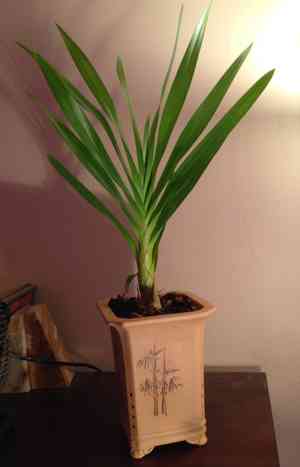
This substantial, air-dwelling variety flourishes under brilliant, diffused illumination and elevated atmospheric moisture. For giant orchid, detach discolored or lifeless foliage and withered floral stalks to preserve vigor and visual appeal. Cut back any excessively long roots and pseudobulbs to stimulate fresh development. Trimming can be performed throughout the entire year, taking precautions to avert strain during flowering periods. Advantages encompass fostering robust development and enhanced air movement, thereby diminishing the likelihood of ailments. Disinfect implements to preclude contamination.
What Are the Benefits of Pruning Giant Orchid?
What Are the Benefits of Pruning Giant Orchid?
Trimming giant orchid promotes abundant blooms, revitalizes growth, and helps maintain a manageable form. Precise cuts enhance light penetration and air circulation, vital for flower development and plant vigor.
What Is the Best Time for Pruning Giant Orchid?
What Is the Best Time for Pruning Giant Orchid?
Trimming giant orchid immediately following its blooming period allows the plant to direct energy toward new development and recuperation. Giant orchid typically flowers from late summer through fall, making the post-flowering phase, usually in late autumn or early winter, an optimal time for pruning. During this interval, the plant has finished its reproductive cycle and is less vulnerable to stress. Pruning after blooming also aids in preserving the plant's shape and eliminates any spent flower stalks, which can stimulate the emergence of new shoots. Pruning during active growth, typically spring to summer, can be performed to remove dead or damaged pseudobulbs, leaves, and roots, fostering the plant's overall well-being.
What Tools Do I Need to Prune Giant Orchid?
Sharp Bypass Pruners
Perfect for making clean cuts on giant orchid's thinner stems without crushing plant tissues, ensuring healthy regrowth.
Long-Handled Loppers
Required for reaching higher or deeper sections of giant orchid due to its large size, providing leverage for thicker stems.
Gardening Gloves
Shield hands from giant orchid's potentially rough textures and plant sap, which might irritate some skin types.
Small Saw
Suitable for cutting through the thickest stems of giant orchid, which can be too large for pruners or loppers to manage effectively.
Sterilizing Solution
Used to sanitize tools before and after trimming giant orchid to prevent the spread of disease.
How to Prune Giant Orchid
Cleaning Tools
Before pruning giant orchid, clean and sterilize the pruning implements to prevent disease transmission. Use alcohol wipes or a bleach solution to disinfect blades.
Remove Leaves
Inspect giant orchid for diseased or withered foliage. Gently remove them by hand or with sterilized scissors, ensuring cuts are made at the leaf base to avoid harming the pseudobulbs.
Trim Branches
Identify dead or diseased branches on giant orchid. Using sharp, sterilized pruning shears, make clean cuts where the unhealthy branch meets healthy tissue, but avoid cutting into the healthy parts.
Withered Flower
Locate faded flowers on giant orchid. Snip them off close to the pseudobulb to maintain the plant's appearance and redirect energy to healthy growth.
Disposal
Properly discard all removed material from giant orchid. Place diseased or dead plant matter in a bag and remove it from the vicinity of healthy plants to prevent potential disease spread.
Common Pruning Mistakes with Giant Orchid
Overpruning
Removing too much foliage at once can stress giant orchid, weakening the plant and potentially leading to reduced flowering.
Pruning Healthy Pseudobulbs
Cutting off healthy pseudobulbs can diminish the plant's energy reserves, needed for growth and blooming.
Improper Tool Use
Using dull or dirty pruning tools can cause damage to giant orchid tissues, leading to infections or a rough cut that hinders healing.
Ignoring Plant Cycle
Pruning giant orchid without considering its growth and rest periods can interfere with its natural cycle and affect its health.
Cutting Flower Spikes Too Early
Removing flower spikes before they're spent can prevent giant orchid from completing its reproductive cycle which may affect future blooms.
Neglecting Hygiene
Failing to sterilize pruning tools can introduce pathogens and spread diseases to giant orchid.
Pruning Without Reason
Indiscriminate pruning without understanding the needs or structure of giant orchid can lead to poor growth and less vigor.
Common Pruning Tips for Giant Orchid
Selective Pruning
Remove only the dead or damaged material and spent flower spikes to maintain the health and aesthetics of giant orchid.
Sharp And Sterile Tools
Use sharp, clean pruning shears or scissors to ensure clean cuts that heal quickly and prevent disease spread.
Post-Bloom Pruning
Allow the flower spikes to dry out naturally before pruning to ensure the plant's energy is fully utilized for future growth.
Pseudobulb Care
Identify and preserve healthy pseudobulbs, as they are crucial for the storage of nutrients and future blooming of giant orchid.
Hygiene Practice
Disinfect pruning tools before and after use on giant orchid to minimize the risk of infection.
Supportive Structures
If necessary, install stakes or clips to support the long and heavy spikes of giant orchid during the blooming season, instead of pruning to reduce weight.
Moderation
Prune sparingly, especially if plants are stressed or recovering from a previous pruning or repotting.
Close Observation
Regularly inspect giant orchid for dead and unhealthy tissue to prune as needed, promoting a thriving plant condition.



