How Much Sunlight Do Giant orchid Need?
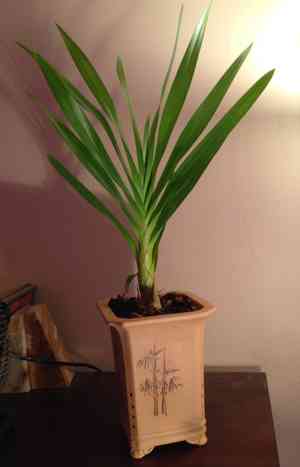
1
The Giant orchid flourishes in locations receiving over six hours of direct sun daily.
2
Although it tolerates some shade, ample sun exposure encourages peak flowering.
3
Strategic shading and careful positioning help prevent leaf burn and foster robust development.
The Essential Role of Sunlight for Giant Orchids
Energy Conversion and Development
Sunlight is fundamental for photosynthesis, the method through which Giant orchids convert light energy into chemical energy. This process powers their development and maturation, enabling them to produce the nutrients vital for their existence. Insufficient light can hinder their growth, while abundant light promotes strong and thriving plants.
Bloom Initiation and Cycles
Giant orchids require ample sunlight to initiate their blooming cycle. These orchids are prized for their magnificent flowers, and light plays a crucial part in their formation. Without enough sunlight, your orchid may struggle to produce flowers, or the blooms might be less vibrant and fewer in quantity.
Immunity and Overall Health
Sufficient sunlight aids in strengthening the Giant orchid’s immune system. A robust plant immune system fends off diseases, deters pests, and lowers the plant's overall stress. Light contributes to reinforcing the plant's cell walls and general vitality, making it more resistant to infections and environmental stresses.
Optimal Sunlight Types for Giant Orchids
Direct Versus Indirect Illumination
The Giant orchid thrives under conditions offering a good amount of direct sunlight, though it can also tolerate bright, filtered light. Direct sun exposure should be moderated to prevent leaf burn, especially during the warmest hours. An ideal mix of both can encourage healthy development.
Morning Versus Afternoon Exposure
Morning sunlight is typically less intense and is often more beneficial for the Giant orchid, providing necessary light without the risk of overheating. Afternoon sunlight, while stronger, can be detrimental due to its intensity, particularly in peak summer months. It's vital to monitor and adjust exposure throughout the day.
Daily Sunlight Requirements for Giant Orchids
Minimum Light Needs
Giant orchids need at least 6 hours of sunlight daily to flourish. This ensures the plant can efficiently perform photosynthesis, produce vivid blooms, and maintain its overall health. In areas with less natural light, supplementary illumination can help meet these needs.
Indicators of Excessive Light
Too much sunlight can lead to sunburn and scorching of the Giant orchid. Symptoms include browning or burned spots on leaves, dry and crispy foliage, and a general decline in plant health. It's crucial to observe these signs and adjust the plant's position or provide appropriate shade as necessary.
Indicators of Insufficient Light
Too little sunlight can result in etiolation, where the plant stretches toward the light source, leading to weak and elongated stems. Additionally, it may cause fewer blooms, a dull appearance, and slow overall growth. Regularly check your orchid for these symptoms to ensure it receives adequate light.
Strategies for Providing Correct Sunlight to Giant Orchids
Employing Shade Cloths
Shade cloths are an excellent method to mitigate the intensity of direct sunlight, especially during peak hours. They can safeguard the Giant orchid from the harsh afternoon sun, preventing sunburn and maintaining optimal growing conditions.
Indoor Lighting Solutions
For indoor Giant orchid care, consider using supplemental grow lights to enhance natural light. LED grow lights are particularly effective, providing the necessary light spectrum for photosynthesis and growth. Position the lights for even coverage, and use timers to simulate the natural daylight cycle.
Outdoor Placement Strategies
Placing your Giant orchid in a location that receives ample morning sunlight and dappled afternoon light can create ideal growing conditions. Consider spots that offer natural shading from larger plants or structures during the hottest parts of the day.
Common Issues with Sunlight Exposure for Giant Orchids
Sunburn and Leaf Scorch
Sunburn is a frequent problem for Giant orchids when exposed to intense sunlight without protection. Symptoms include brown, crispy edges on leaves and damaged flower petals. Prevent this by adjusting the plant's location and using shade cloths.
Elongated Growth and Poor Flowering
Insufficient sunlight can lead to stretched growth, characterized by elongated and weak stems. Moreover, poor light exposure can result in less frequent and vibrant flowering. Address this by ensuring your orchid receives the minimum required sunlight and considering artificial light supplementation.
Fungal and Bacterial Infections
Inadequate sunlight exposure, creating damp and dark conditions, can foster an environment conducive to fungal and bacterial infections. Ensure your Giant orchid receives sufficient airflow and light to prevent these issues.



