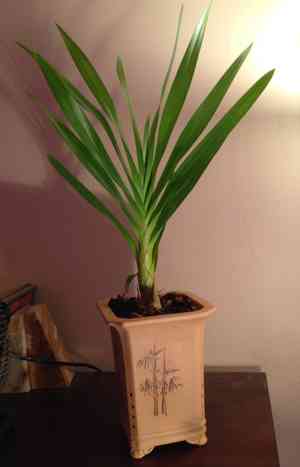
Giant orchid (Grammatophyllum speciosum)
Also known as: Queen of the orchids
Grammatophyllum speciosum, also known as the giant orchid or tiger orchid, is an epiphytic species that thrives in the treetops. It holds the title of the largest single orchid species globally. Though it was nearly extinct at one point, extensive conservation efforts have successfully revived its population. A remarkable example of this species, planted in 1861, continues to flourish in Singapore's Botanic Gardens.
In This Article
Attributes of Giant orchid
Lifespan
Perennial
Plant Type
Herb
Plant Height
3 m
Spread
3.5 m
Leaf Color
Green
Flower Size
8 cm to 10 cm
Flower Color
Yellow Red White Pink Black
Images of Giant orchid
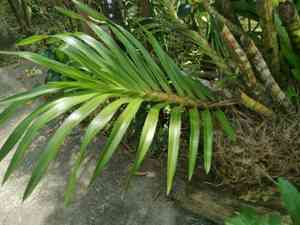
Quickly Identify Giant orchid
1
To identify Grammatophyllum speciosum, look for a robust plant with very large pseudobulbs. The flowers are typically yellow with brown or maroon spots and grow in massive clusters on long spikes.
Scientific Classification of Giant orchid
Phylum
Vascular plants
Class
Monocotyledons
Order
Asparagus and allies
Family
Orchid
Genus
Gram
Species
Giant orchid
Planting and Growing of Giant orchid
Care Difficulty
Hard
Watering Schedule
Every 3 days
Sunlight Requirements
Partial sun
Sunshine Duration
4-8 hours
Ideal Temperature
75-86℉
Soil Type
Potting Mix, Peat Mix
Soil pH
6.5-7.5
Fertilizer Type
Balanced
Pruning Season
Spring, Summer
Pruning Area
Branches, Leaves
Pruning Frequency
2 times a year
Repotting Season
Spring
Pot Type
Plastic, Ceramic
 How to Water Giant orchid?
For Grammatophyllum speciosum, also known as the Giant Orchid, water thoroughly until it drains from the bottom. This kind of watering ensures even distribution of moisture, helping mimic the plant's natural rainforest environment where it receives heavy, sporadic rain.
What are the symptoms of an underwatered Giant orchid?
›
What should I do if my Giant orchid is not getting enough water?
›
What are the symptoms of an overwatered Giant orchid?
›
How to save an overwatered Giant orchid?
›
 What Are the Sunlight Requirements for Giant orchid?
Partial sun is ideal for Grammatophyllum speciosum, offering balanced light exposure. It harnesses enough sunlight for growth and flowering while avoiding damage that full sun might impart, promoting sustained health and resiliency.
More About Sunlight Requirements Techniques→
What is the best light intensity?
›
How do you ensure ideal placement?
›
What are the benefits of ideal light?
›
 What Is the Ideal Temperature Range for Giant orchid?
For Grammatophyllum speciosum, maintaining a temperature range between 75°F and 86°F is optimal. In this range, the plant experiences balanced growth, thriving in both natural and controlled environments that replicate its native tropical climate.
 What Soil is Best for Giant orchid?
Grammatophyllum speciosum thrives in well-draining soil that prevents water from stagnating around the roots, which can lead to rot. This ensures healthy root development and vigorous plant growth. The plant benefits from a soil enriched with organic matter, as it provides essential nutrients needed for robust growth and flowering. A rich medium supports lush foliage and vibrant blooms. While drainage is crucial, the soil should also retain some moisture to keep the roots sufficiently hydrated, particularly in warmer climates. This balance promotes continuous growth and prevents the stress of drought conditions.
 How to Fertilize Giant orchid?
For the Grammatophyllum speciosum, an adequate amount of fertilizer is essential for vibrant blooms and healthy growth. When using liquid fertilizers, a ratio of 20-20-20, diluted to half the recommended strength, is advised. Apply approximately 500 ml of diluted solution per plant, paying careful attention not to over-saturate the soil or roots.
 How to Prune Giant orchid?
Begin by identifying any dead or damaged pseudobulbs or leaves. These areas will often appear dark, mushy, or brittle, and can be safely trimmed off to stimulate healthier growth. When you prune, make your cuts just above a node or leaf joint. This position encourages new growth from that point, helping the plant maintain a full and lush appearance. After making cuts, seal large wounds with a suitable plant sealant to prevent infection. This step is crucial for maintaining the plant's health and avoiding any pest infestation.
More About Pruning Techniques→
 How to Propagate Giant orchid plant?
1
Collect seeds from the mature orchid pods and clean them thoroughly. Make sure to avoid contamination as orchid seeds are very sensitive and can easily fail to germinate if not handled in sterile conditions.
2
Choose healthy and vigorous pseudo-bulbs for division. Use a sterilized tool to separate them carefully, ensuring each division has healthy roots.
3
In a laboratory setting, prepare explants from meristem tissue. Use a sterile culture medium to initiate growth, keeping the environment strictly controlled for temperature and light.
 How to Repot Giant orchid plant?
1
Repotting should be done when Grammatophyllum speciosum shows signs of overcrowded roots, reduced flowering, or when the potting medium breaks down, becoming compacted and less effective in draining water. These signals indicate that the plant needs more space and fresh nutrients.
2
Select a pot that is slightly larger than the current one, with enough drainage holes. This prevents water from collecting at the bottom, which can lead to root rot. A pot with ample space allows the roots to grow freely and absorb nutrients more effectively, promoting better growth.
3
Choose an orchid bark mix that provides excellent drainage and aeration, mimicking the plant's natural habitat. The right soil prevents waterlogging and ensures that roots get the necessary oxygen, helping the plant thrive and reducing the risk of diseases.



