How to Propagate Giant orchid?
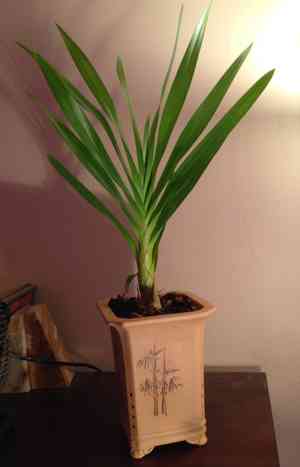
Renowned for its impressive, sizable flowers, the giant orchid is most effectively multiplied via division, a method well-suited to its sympodial growth pattern. Cultivators ought to meticulously detach robust pseudobulbs that possess roots, making certain that every segment contains a minimum of three to five pseudobulbs. Employing a disinfected cutting implement is vital to avert the spread of pathogens. Following division, potting each piece in an orchid medium that drains efficiently and sustaining elevated humidity levels will foster vigorous development. Regular yet restrained irrigation is paramount, given that the giant orchid does not thrive in excessively moist conditions.
When Is the Optimal Time to Propagate Giant Orchid?
Propagation Method
Division
Propagation Period
Spring,Autumn
What Equipment Is Utilized in Giant Orchid Propagation?
Sharp, sterilized pruning shears or knives
These instruments are crucial for making clean cuts through the robust rhizomes and roots of giant orchid during the division process. A sharp and sanitized blade helps prevent damage to plant tissues, which could hinder growth or cause infections. Tool cleanliness is especially vital to avoid introducing pathogens into fresh cuts.
Potting mix formulated for orchids
Following the division of giant orchid, each section requires placement in a suitable growth medium. An orchid-specific potting mix typically includes fir bark, perlite, and peat, offering the necessary drainage and aeration for giant orchid roots to flourish. This blend also aids in maintaining appropriate moisture levels, which is critical for newly propagated orchids.
Watering can with a fine nozzle
After division, giant orchid needs gentle irrigation to help roots establish in their new environment without being overwhelmed. A watering can equipped with a fine nozzle ensures a soft, dispersed water flow, minimizing the risk of soil erosion or root damage during the initial delicate phase of root development.
Rooting hormone (optional)
While not strictly required, applying a rooting hormone can boost root development in giant orchid divisions. Using a rooting hormone on the cut areas before planting can stimulate quicker and healthier root growth, enhancing the survival rate and vigor of the propagated orchids.
Protective gloves
Handling giant orchid during division may expose propagators to sharp cuts from the plant's tough parts or from the tools used. Durable, protective gloves shield the hands while allowing for precise manipulation of the plant and tools, ensuring both safety and effectiveness in the propagation task.
How to Propagate Giant Orchid?
Propagation Type
Easy
How to Nurture Your Newly Propagated Giant Orchid?
How to Nurture Your Newly Propagated Giant Orchid?
Post-propagation, maintain a high humidity environment for giant orchid, ideally between 60-80%. Water regularly but allow the medium to dry slightly between waterings to prevent root rot. Fertilize every two weeks with a balanced orchid fertilizer during the active growth period. Keep giant orchid in a warm area with temperatures between 70-85°F during the day and 60-70°F at night. Regularly check for pests and diseases.
Common Errors to Avoid When Propagating Giant Orchid
Overwatering
Excessive water can lead to root rot, which is detrimental to giant orchid's health, as it prefers drier conditions between watering sessions.
Using dense potting media
A compact potting mix can suffocate giant orchid's roots, hindering proper air circulation. This impedes root development and can result in fungal infections.
Neglecting high humidity
Failure to provide ample humidity can stress giant orchid, as this species thrives in moist environments, leading to stunted growth or a lack of blooms.
Incorrect cutting size
Taking cuttings that are too small can result in rooting failure, while overly large ones may be more prone to rot before rooting occurs.
Ignoring sterilization
Using unsterilized tools for cutting can introduce pathogens, thereby jeopardizing the successful propagation of giant orchid.
Tips For Propagating Giant Orchid
Appropriate watering
Ensure the potting mix is nearly dry before re-watering to accommodate giant orchid's preference for less moist conditions.
Choosing the right media
Select a well-draining, coarse potting mix such as bark or inert materials to encourage healthy root growth for giant orchid.
Maintaining humidity
Mist giant orchid's surroundings frequently or use a humidity tray to create the ideal microclimate for optimal development.
Proper cutting size
Take cuttings with at least three to five pseudobulbs to increase the likelihood of successful rooting and subsequent growth.
Sterilizing tools
Always sanitize pruning tools with rubbing alcohol or heat before taking cuttings to prevent the spread of disease.



