How to Transplant Rattlesnake plantain?
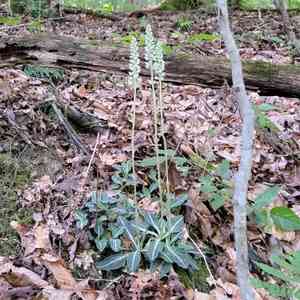
The ideal period for transplanting rattlesnake plantain is from the latter part of spring through mid-summer, as this offers the best environment for roots to take hold. Choose locations that are shaded and possess soil that drains effectively. Careful manipulation is crucial to prevent damage to the fragile root system.
What Preparations are Needed Before Transplanting Rattlesnake Plantain?
What is the Ideal Time for Transplanting Rattlesnake Plantain?
The optimal period for relocating rattlesnake plantain typically spans from late spring through mid-summer. These warmer months offer prime conditions for root development, enabling rattlesnake plantain to flourish after being moved. During this timeframe, the soil is warm and receptive, which is crucial for the delicate roots of this perennial to establish effectively. Furthermore, transplanting rattlesnake plantain at this point ensures it has ample opportunity to adapt before the colder autumn weather arrives, building a strong root system ready for the subsequent growing season. By selecting this season, you provide rattlesnake plantain with a significant head start, allowing it to thrive in your garden environment.
How Much Space Should You Leave Between Rattlesnake Plantain Plants?
Firstly, provide your rattlesnake plantain with adequate personal space to flourish. Aim for a comfortable spacing of approximately 6-12 inches (15-30 cm). This allows each plant to expand without crowding its neighbors. Ideal for novice gardeners to manage!
What is the Best Soil Mix for Rattlesnake Plantain Transplanting?
Before introducing rattlesnake plantain to its new location, prepare a well-draining soil mixture rich in organic matter. A small amount of balanced, slow-release fertilizer will create an ideal environment for vigorous growth. Consider it preparing a nourishing meal for your green companions!
Where Should You Relocate Your Rattlesnake Plantain?
When selecting a site, remember that rattlesnake plantain prefers indirect sunlight, much like a late riser. Therefore, choose a partially shaded area that receives filtered light, avoiding the full intensity of the midday sun. This is a reliable method to help your plant settle in!
What Equipments Should You Prepare Before Transplantation Rattlesnake Plantain?
Gardening Gloves
To safeguard your hands while handling soil and plants.
Shovel or Spade
For excavating the plant and preparing the new planting site.
Trowel
For more precise digging tasks and moving small quantities of soil.
Watering Can or Hose with a Gentle Spray Setting
For hydrating the plant before and after relocation.
Garden Fork
To loosen the soil surrounding the plant's root ball.
Pruners
To trim any damaged roots or foliage as necessary.
Wheelbarrow or Plant Pot
To transport the rattlesnake plantain to its new spot.
Rooting Hormone (optional)
To stimulate root development post-transplant.
Mulch
To maintain soil moisture and temperature after moving.
How Do You Remove Rattlesnake Plantain from the Soil?
How Do You Remove Rattlesnake Plantain from the Soil?
From Ground: First, water the rattlesnake plantain plant to moisten the soil, making it easier to work with. Then, using a shovel or spade, carefully dig around the plant, leaving ample space to prevent root damage. Use the garden fork to loosen the soil and gently lift the root ball from the ground.From Pot: Tilt the container sideways and gently tap it to dislodge the rattlesnake plantain plant. Grasp the plant's base and gently wiggle it to aid release. Carefully extract the plant from the pot, preserving the root ball's integrity.From Seedling Tray: Dampen the soil in the tray to facilitate removal. Use a trowel or your fingers to carefully lift the rattlesnake plantain seedling, ensuring support for the root ball to prevent it from disintegrating.
Step-by-Step Guide for Transplanting Rattlesnake Plantain
Preparation
Ensure all necessary tools and supports listed above are readily available. Water the rattlesnake plantain plant thoroughly before beginning the transplant to minimize shock and help keep the root ball intact during removal and transport. Clear any debris or competing vegetation from the new planting site to give your rattlesnake plantain plant the best start without unnecessary competition.
Root Ball Management
When removing the rattlesnake plantain plant, ensure you retain as much of the root ball as possible by digging a wide area around the plant. This helps keep the root system whole and reduces stress on the plant.
Transporting Carefully
Move the rattlesnake plantain plant to its new location promptly. If delayed, wrap the root ball in damp burlap to prevent it from drying out. Use a wheelbarrow or plant pot for easier transportation without harming the plant.
Planting Hole
Dig the new planting hole twice as wide as the root ball and equally deep to allow roots to spread easily. Use your shovel or spade to create the hole, and break up any large soil clumps at the bottom to make it easier for the rattlesnake plantain's roots to penetrate the soil.
Placing the Plant
Carefully position the rattlesnake plantain plant in the center of the hole. The top of the root ball should be level with the surrounding ground. Adjust its orientation so the most appealing side of the plant faces the desired direction.
Finishing Touches
Backfill the hole with the excavated soil, gently firming it around the roots to eliminate air pockets. Water the rattlesnake plantain plant generously to settle the soil and hydrate the roots. Apply a layer of mulch around the base, avoiding contact with the plant's stem, to help maintain soil moisture.
Observation
For the initial few days, monitor the plant's stability in the ground and straighten it if it leans due to wind or settling soil.
Rooting Hormone (Optional)
If you opt to use rooting hormone, apply it to the bottom of the root ball or dip the roots in it before placing it in the hole, following the product's instructions.
How Do You Care For Rattlesnake Plantain After Transplanting?
Monitoring
Regularly check the rattlesnake plantain plant's progress, looking for signs of wilting, which may indicate either water stress or root disturbance. Adjust care practices as needed.
Settling in Period
Be aware that the rattlesnake plantain plant may undergo an 'adjustment' period where its growth might temporarily slow as it adapts to the new location. This is a normal occurrence.
Pruning
Prune away any damaged or diseased foliage or stems to help the rattlesnake plantain plant direct its energy towards establishing its roots in the new location.
Protection
If transplanting occurs during a particularly hot or cold spell, provide the rattlesnake plantain plant with temporary shading or frost protection to aid its acclimation. Use a stake or plant cage if the plant shows signs of instability.
Troubleshooting Common Issues with Rattlesnake Plantain Transplantation.
What's the optimal time to transplant rattlesnake plantain?
The best time is during the shift from late spring to mid-summer for successful establishment.
How far apart should rattlesnake plantain be planted for healthy growth?
Space rattlesnake plantain plants ideally 6-12 inches (15-30 cm) apart to allow for proper growth and air circulation.
Can rattlesnake plantain be transplanted in full sunlight?
No, rattlesnake plantain thrives in partial to full shade. Avoid direct sunlight to prevent scorching.
How should I prepare the soil for transplanting rattlesnake plantain?
Enrich the soil with organic matter, ensuring it's well-draining and retains moisture.
What should I do if my rattlesnake plantain wilts after transplanting?
Ensure the roots are adequately watered and shielded from direct sunlight. Mulching can help retain moisture.
How deep should the planting hole be for rattlesnake plantain?
The hole should be as deep as the root ball and twice as wide to encourage expansion.
What's the best way to water rattlesnake plantain after transplanting?
Water deeply at the base to settle the soil around the roots, avoiding wetting the leaves.
When is it safe to fertilize rattlesnake plantain after transplanting?
Wait several weeks for rattlesnake plantain to establish before applying a balanced, slow-release fertilizer.
How do I ensure rattlesnake plantain doesn't get root-bound when transplanting?
Gently separate the roots before planting to encourage outward growth. Do not excessively disturb the root ball.
Can I transplant rattlesnake plantain during a heat wave?
It's best to wait for cooler conditions, as intense heat can stress rattlesnake plantain during the transplanting process.



