Enhancing Your Garden Design with the Rattlesnake plantain Plant: A Landscaping Guide
1
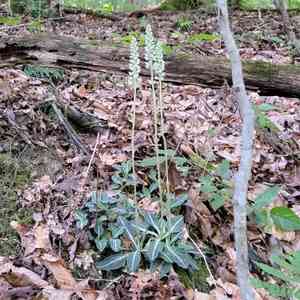
Rattlesnake plantain introduces a distinct texture and hue to your garden's aesthetic.
2
Rattlesnake plantain offers more than just visual charm; it also aids local fauna.
3
Combining Rattlesnake plantain with suitable companions can enhance your garden's vitality and look.
Introducing Rattlesnake Plantain in Garden Design
Discovering the distinctive aesthetic charm of Rattlesnake plantain
A standout characteristic of Rattlesnake plantain is its captivating foliage with elaborate designs. This forest plant showcases deep green leaves adorned with white veins, lending a unique and refined appearance to your garden landscape. Its leaf rosettes create a lush, ground-covering effect that can break up monotonous green areas, adding depth and allure. Integrating Rattlesnake plantain into your garden introduces a touch of the wild forest, bringing levels of visual intricacy that many other plants cannot provide.
Grasping the ecological advantages of incorporating Rattlesnake plantain into your garden
Rattlesnake plantain not only boosts your garden's visual appeal but also plays a vital role in supporting local ecosystems. This plant offers a habitat and food source for various insects and pollinators, fostering biodiversity. Furthermore, Rattlesnake plantain contributes to soil health by guarding against erosion and maintaining moisture levels, making it a beneficial addition to your garden's ecosystem. By cultivating Rattlesnake plantain, you are not only beautifying your space but also contributing to a healthier environment.
Optimal Placement for Rattlesnake Plantain's Best Effect
Identifying prime locations in your garden for Rattlesnake plantain
To maximize Rattlesnake plantain's visual impact, consider placing it in shaded or partially shaded areas of your garden. This plant thrives beneath tree canopies, where it can mimic its natural woodland environment. Lining garden paths with Rattlesnake plantain can create a striking contrast with other plants, or it can be used to fill in spaces under shrubs and bushes. Rattlesnake plantain is particularly effective in areas where you wish to introduce a natural, forest-like feel without sacrificing beauty.
Advice on combining Rattlesnake plantain with other flora
When planning to group Rattlesnake plantain with other plants, select those that share similar growing conditions. Ferns, hostas, and other shade-loving plants complement Rattlesnake plantain well and help create a unified, verdant garden appearance. Avoid planting Rattlesnake plantain with aggressive species that might overshadow it or compete for nutrients. Consider Rattlesnake plantain's mature size and allow ample spacing to ensure it has room to spread and flourish. Combining Rattlesnake plantain with plants of varying height and texture can create an appealing and balanced garden composition.
Seasonal Considerations for Rattlesnake Plantain
What to anticipate from Rattlesnake plantain throughout the year
Throughout the year, Rattlesnake plantain offers diverse visual and ecological benefits. In spring and summer, its leaves provide a fresh, vibrant green backdrop, while in autumn, they may adopt a more muted shade. During winter, while many plants recede, Rattlesnake plantain retains its foliage, adding year-round interest to your garden. Additionally, its ability to maintain greenery through colder months can help prevent soil erosion and support wildlife when other food sources are scarce.
Preparing Rattlesnake plantain for varying weather conditions
To ensure Rattlesnake plantain flourishes year-round, it's crucial to prepare for seasonal shifts. In hot summer months, provide extra watering to keep the soil moist but well-drained. In the fall, consider applying mulch around the plant bases to shield them from extreme cold and help retain soil moisture. During winter, although Rattlesnake plantain is resilient, watch for excessive snowfall that might crush the leaves and gently brush it off if necessary. Overall, consistent attention and minor adjustments based on seasonal conditions ensure that Rattlesnake plantain continues to thrive beautifully.
Companion Plants for Rattlesnake Plantain
Choosing compatible plants that flourish alongside Rattlesnake plantain
Rattlesnake plantain forms aesthetically pleasing and ecologically balanced pairings with shade-loving plants such as trilliums, solomon's seal, and various ferns. These companion plants share similar soil and light preferences, ensuring that all plants in the grouping thrive together. Aim for a mix of perennials that provide a sequence of blooms, different textures, and varying heights to enhance the visual appeal and ecological value of your garden.
How these plants mutually benefit each other
Complementary planting with Rattlesnake plantain creates a microhabitat where plants can support each other's growth. For instance, ferns can offer additional shade and moisture retention beneficial for Rattlesnake plantain, while Rattlesnake plantain's ground cover can help maintain soil health for its neighbors. This mutually beneficial relationship fosters a more resilient garden ecosystem. Furthermore, diverse plant groupings attract a wider array of pollinators and beneficial insects, enhancing the overall vitality of your garden.



