How to Propagate Rattlesnake plantain?
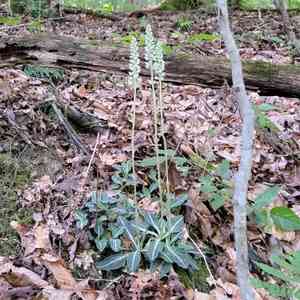
Goodyera pubescens is a ground-dwelling orchid recognized for its unique foliage designs and its affinity for dim, forested habitats. To multiply Goodyera pubescens, separating mature clusters proves most efficient. Verify that each separated portion possesses an adequate root structure and a minimum of one growing tip for successful relocation. Gently detach the rhizome sections and embed them in a substrate that drains effectively, shielded from direct solar exposure. Consistent irrigation and preventing overly saturated soil are crucial for robust development. Reproduction efforts should be undertaken with care to avoid disrupting wild populations.
Optimal Period for Propagating Rattlesnake Plantain?
Propagation Method
Separation
Propagation Period
Spring,Autumn
Tools Required for Rattlesnake Plantain Propagation?
Sterilized Cutting Knife or Scissors
These implements are crucial for cleanly separating the rhizomes of rattlesnake plantain. A sharp, sanitized cutting edge prevents infection and harm, ensuring healthy divisions. These tools enable precise cuts to split the rhizomes, minimizing damage and preserving the vitality of each segment.
Garden Spade or Hand Trowel
Utilized for gently lifting the rhizomes of rattlesnake plantain from the earth. This aids in careful root handling while maintaining their integrity, vital for successful replanting. The spade or trowel should be sharp and sturdy, designed to penetrate soil without significant disturbance to root systems.
Watering Can with a Fine Rose
Essential for delivering gentle, uniform hydration post-transplant to prevent overwhelming the newly divided rattlesnake plantain. Proper moisture is critical for root establishment without causing soil erosion or root exposure.
Rooting Hormone (optional)
This can boost root development in the divisions of rattlesnake plantain. While not compulsory, a rooting hormone can encourage faster establishment and improved root health. Powders or gels specifically formulated for delicate native orchids are preferred.
How to Propagate Rattlesnake Plantain?
Propagation Type
Simple
How to Care for Your Newly Propagated Rattlesnake Plantain?
How to Care for Your Newly Propagated Rattlesnake Plantain?
Following propagation, position rattlesnake plantain in an environment that mimics its natural habitat, ideally under partial shade or filtered light. Maintain moderate humidity and avoid direct sun exposure. Regularly check soil moisture, allowing for slight drying between waterings. Rattlesnake plantain will benefit from occasional misting to increase humidity, especially in arid conditions. Fertilize sparingly, using a balanced, diluted solution during the growth period.
Common Mistakes to Avoid When Propagating Rattlesnake Plantain
Insufficient light
Placing rattlesnake plantain in areas with excessive direct sunlight can lead to leaf burn, while too little light may result in weak growth. Rattlesnake plantain is adapted to the dappled light of woodland environments.
Overwatering
Providing rattlesnake plantain with too much water can lead to root rot. As a terrestrial orchid, rattlesnake plantain requires soil that is moist but well-draining.
Using wrong soil mix
Rattlesnake plantain thrives in a specific soil blend that emulates its natural woodland setting. Using standard potting soil without amendments like leaf litter or perlite can hinder its growth.
Neglecting humidity
Rattlesnake plantain benefits from a moderately humid environment. Ignoring this need may prevent rattlesnake plantain from thriving, as it could compromise its delicate leaf structure and overall health.
Improper separation
When dividing rattlesnake plantain for propagation, cutting too close to the meristem or damaging roots can impede regrowth. Proper division ensures that each section has viable growth points.
Contamination
Using non-sterile tools for division can introduce pathogens to rattlesnake plantain, leading to disease. Sterilizing tools is key to the successful propagation of rattlesnake plantain.
Tips For Propagating Rattlesnake Plantain
Lighting balance
Provide rattlesnake plantain with bright, indirect light that mimics the filtered sunlight of its native woodland habitat, ensuring optimal photosynthetic activity without scorching its leaves.
Monitor watering
Water rattlesnake plantain when the topsoil feels dry to the touch, ensuring a balance between moisture and aeration. This mimics the damp, well-draining conditions that rattlesnake plantain would experience in the wild.
Specialized soil mix
Use a mix of sphagnum peat, perlite, and leaf mold for rattlesnake plantain, as this combination provides the necessary drainage, aeration, and nutrient content.
Maintain humidity
Maintain moderate humidity around rattlesnake plantain through regular misting or a pebble tray with water to emulate its natural, humid environment.
Careful division
When propagating rattlesnake plantain by division, ensure each new segment has at least one pseudobulb or growth point. Handle roots gently to avoid stress and damage.
Sterilize tools
Always use sterile equipment when dividing rattlesnake plantain to prevent the spread of diseases and ensure healthy new plants.



