How Much Sunlight Do Rattlesnake plantain Need?
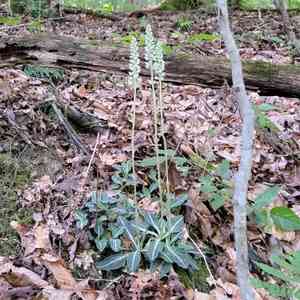
1
Rattlesnake plantain flourishes with approximately 3-6 hours of filtered light each day.
2
Refrain from exposing Rattlesnake plantain to unshaded sun to avoid scorching its leaves.
3
Employ a light meter to gauge and confirm ideal illumination levels for your plant.
What are the Sunlight Requirements for Rattlesnake plantain?
Indirect Sunlight
For Rattlesnake plantain, proper sun exposure is vital. This plant thrives in indirect light, meaning it should not be exposed to direct sunbeams. Indirect light can be found where light is diffused by curtains or reflected from surfaces. This ensures sufficient illumination without damaging intensity.
Partial Shade
Rattlesnake plantain also does well in partial shade. This means the plant gets some direct sun for a limited time, usually 3-6 hours daily. The rest of the day, it's shaded, making it perfect for spots with morning sun and afternoon shade.
Avoiding Direct Sunlight
Direct sun exposure should be avoided for Rattlesnake plantain. Direct rays, especially during peak heat, can scorch leaves and cause dehydration. If near a window, shield it from direct beams, perhaps with a sheer curtain or by placing it further away.
How to Measure Sunlight Exposure for Rattlesnake plantain
Using a Light Meter
Precisely determining the light your Rattlesnake plantain receives can be done with a light meter. These tools measure light intensity in lumens and are useful for optimizing the plant's environment. Position the meter at plant level for accurate readings and adjust as needed for light requirements.
Observing Plant Responses
Your Rattlesnake plantain will also show visual cues about its light needs. Vigorous growth and vibrant leaf patterns indicate adequate light. Pale leaves or leggy growth might signal insufficient light. Conversely, sunburned spots or crispy edges could mean too much direct sun. Regular observation helps in making adjustments.
Positioning for Optimal Light
Optimal light positioning involves strategic placement. Indoors, an east or north-facing window is ideal, offering gentle morning sun without harsh afternoon heat. Outdoors, a partially shaded area with morning sun but afternoon shade provides perfect lighting conditions.
Best Locations for Growing Rattlesnake plantain
Indoor Placement
When growing Rattlesnake plantain indoors, consider rooms with east or north-facing windows. These areas typically provide softer, indirect light, which is perfect for this plant. Ensure it's not directly touching the windowpane to prevent cold drafts or intense heat.
Outdoor Settings
Outdoors, Rattlesnake plantain can flourish under larger tree canopies, receiving filtered sunlight. It's crucial to plant it in soil that retains moisture well but also drains excess water, preventing root rot. Choose garden spots that mimic its natural forest floor habitat.
Morning vs. Afternoon Light
The time of day your Rattlesnake plantain gets sunlight significantly impacts its health. Morning light, being less intense, is generally preferred. Afternoon light tends to be stronger and can cause leaf burn. Positioning your plant for 3-6 hours of gentle morning sun and shading it in the hotter afternoon will promote strong growth.
Common Sunlight Issues and Solutions for Rattlesnake plantain
Signs of Insufficient Light
Insufficient light can show in Rattlesnake plantain through symptoms like pale or yellowing leaves, stunted growth, and a leggy, stretched appearance as it seeks more light. If these signs appear, consider moving the plant to a brighter spot.
Signs of Excessive Light
Conversely, too much light, especially direct sun, can cause sunburn on leaves, visible as brown or bleached spots. Crispy leaf edges also indicate excessive light. Relocating the plant to a shadier spot or using a curtain to filter light can fix these issues.
Adjusting Light Conditions
To adjust light for your Rattlesnake plantain, try different placements indoors or outdoors. If inside, move it to various windows to find the best light balance. Outdoors, use natural shade from trees or structures. Protecting it from harsh sun while providing adequate light will keep your plant healthy and vibrant.



